
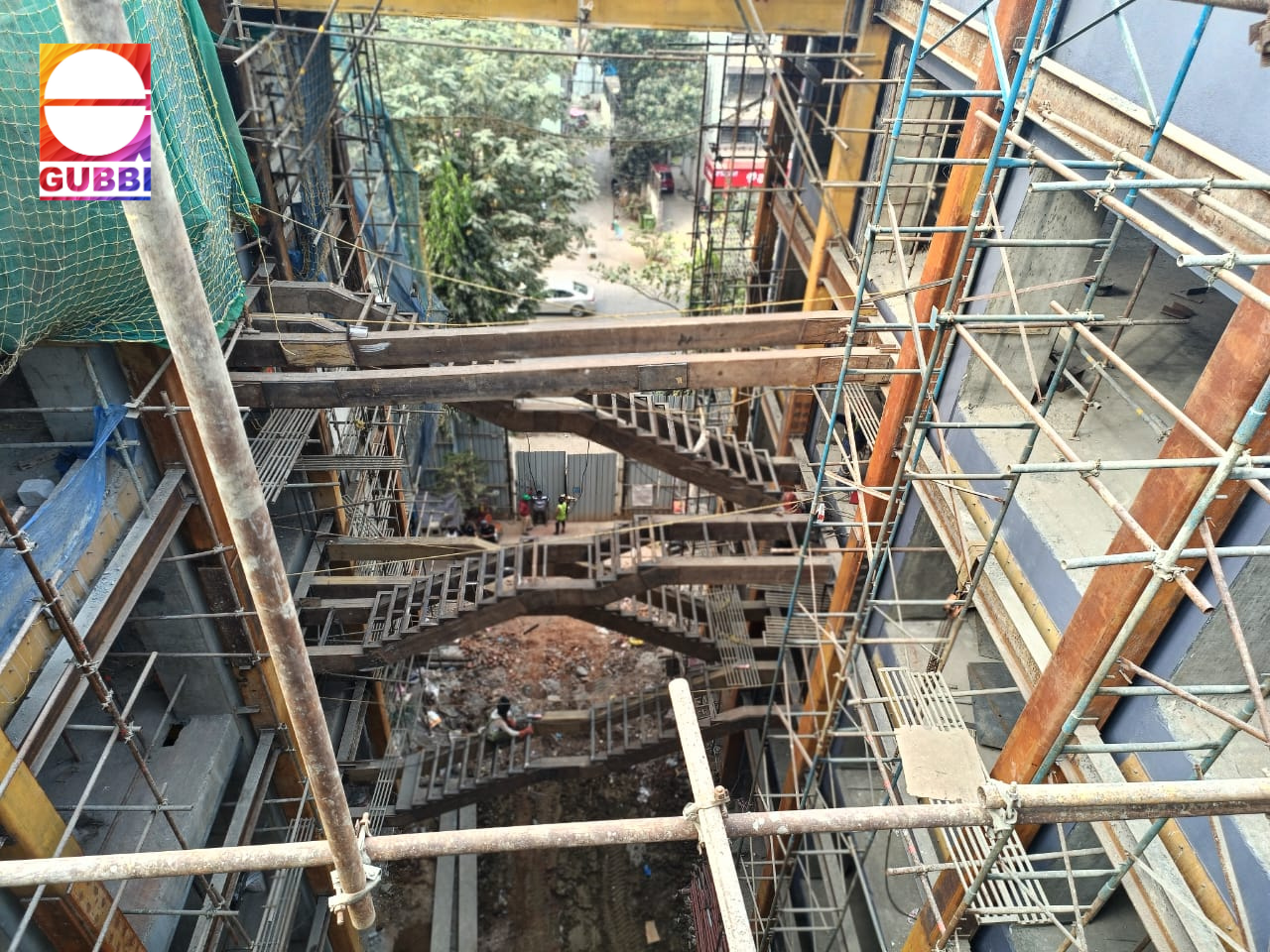
Infrastructure is expected to remain safe, durable, and functional for decades. However, many buildings, industrial facilities, bridges, and commercial structures gradually lose their strength because of aging, environmental exposure, increased loads, poor maintenance, or design limitations. This is where retrofitting becomes an effective solution. Instead of demolishing an existing structure, retrofitting improves its strength, stability, and performance while extending its service life and reducing long-term costs.
What Is Retrofitting?
Retrofitting is the process of upgrading an existing structure to improve its structural performance, durability, and safety. It involves strengthening structural members such as beams, columns, slabs, foundations, and walls using advanced engineering methods and modern construction materials. The objective is to ensure that a building can safely handle present and future operational requirements without requiring complete reconstruction, making retrofitting a practical and cost-effective engineering solution.
Why Retrofitting Has Become Essential in India
Across India, thousands of residential, commercial, industrial, and institutional buildings are reaching an age where structural maintenance has become necessary. Rapid urban development, changing building usage, increasing equipment loads, seismic considerations, and environmental exposure have made retrofitting an important investment. Rather than replacing an entire structure, strengthening the existing framework helps reduce construction waste, minimize downtime, and significantly lower project costs while maintaining operational continuity.
Common Reasons Buildings Require Retrofitting
Several factors contribute to structural deterioration over time. Reinforcement corrosion, water leakage, foundation settlement, construction defects, excessive vibrations, chemical exposure, fire damage, and earthquakes can weaken structural components. Additionally, many buildings undergo changes in occupancy or operational requirements that increase loading beyond their original design capacity. Retrofitting addresses these challenges through scientifically designed strengthening methods based on detailed structural analysis.
How Structural Retrofitting Works
Structural retrofitting begins with a detailed engineering inspection. Engineers evaluate existing drawings, inspect visible damage, conduct non-destructive testing, and analyze structural behavior under current loads. Based on the findings, they develop strengthening recommendations tailored to the building’s specific needs. Once approved, repair work, strengthening installation, quality checks, and performance verification are completed to ensure the desired level of structural safety.
Popular Structural Retrofitting Techniques
Modern engineering offers several retrofitting techniques depending on structural requirements. Carbon fiber wrapping, steel jacketing, reinforced concrete jacketing, FRP strengthening, foundation strengthening, section enlargement, crack injection, epoxy grouting, and external post-tensioning are widely used. The selection depends on structural condition, loading requirements, project budget, environmental exposure, and expected service life of the strengthened structure.
Industries That Benefit from Structural Retrofitting
Structural retrofitting is widely used across multiple industries. Manufacturing plants, power stations, warehouses, hospitals, schools, shopping malls, office buildings, bridges, parking structures, hotels, and residential complexes often require strengthening solutions. Industrial facilities particularly benefit because equipment upgrades frequently increase structural loads, making reinforcement necessary to maintain operational safety and regulatory compliance.
Benefits of Choosing Retrofitting Instead of Reconstruction
Retrofitting provides several practical advantages compared to complete reconstruction. It reduces construction costs, shortens project timelines, minimizes material waste, preserves existing assets, and limits operational interruptions. Many strengthening projects can even be completed while portions of the facility remain functional. This combination of economic and engineering benefits makes retrofitting an attractive investment for both public and private infrastructure owners.
Signs Your Building May Need Structural Retrofitting
Visible structural distress should never be ignored. Wide cracks, sagging slabs, exposed reinforcement, rust stains, water seepage, uneven settlement, vibration problems, spalling concrete, and recurring repair issues often indicate underlying structural concerns. Early engineering assessment allows these problems to be addressed before they become more severe, reducing repair complexity and preventing expensive structural failures in the future.
The Importance of Professional Structural Assessment
Every building behaves differently under loading conditions, making professional engineering assessment essential before selecting any retrofitting method. Experienced structural engineers analyze material strength, foundation performance, structural configuration, and future loading requirements. Their recommendations ensure that strengthening measures improve overall safety while maintaining compatibility with the existing structural system and applicable engineering standards.
Selecting the Right Retrofitting Contractor
Choosing experienced retrofitting contractors is one of the most important decisions in any strengthening project. Contractors should possess strong technical expertise, experienced engineering teams, proven project execution capabilities, quality control systems, and familiarity with modern strengthening technologies. Reviewing completed projects and engineering credentials helps ensure that the selected contractor can successfully deliver reliable long-term structural improvements.
Within India’s infrastructure sector, organizations such as Gubbi Civil Engineers Limited are often considered when evaluating specialized structural rehabilitation and strengthening solutions because of their engineering-focused approach and experience in complex infrastructure projects. Selecting the right contractor should always be based on technical evaluation, project requirements, engineering capability, and long-term performance expectations.
Structural Retrofitting Services in India
Demand for structural retrofitting services in India continues to increase as infrastructure ages and maintenance priorities evolve. Engineering companies now offer comprehensive solutions including structural inspection, condition assessment, repair design, strengthening implementation, corrosion protection, waterproofing, seismic strengthening, and long-term maintenance planning. These integrated services provide building owners with complete structural rehabilitation solutions under one engineering framework.
Factors That Influence Retrofitting Costs
Retrofitting costs vary depending on several technical factors. Building size, structural condition, repair requirements, accessibility, strengthening method, material selection, testing requirements, labor complexity, and project duration all influence overall investment. While initial costs vary between projects, professionally designed strengthening solutions generally provide substantial long-term savings through reduced maintenance and extended infrastructure life.
Retrofitting has become an essential engineering solution for extending the life of existing infrastructure while improving structural safety, durability, and operational performance. From residential buildings to complex industrial facilities, professionally designed strengthening solutions help structures meet modern performance requirements without the expense of complete reconstruction. By investing in expert assessment, appropriate strengthening techniques, and experienced engineering execution, property owners can protect valuable assets, improve safety, and ensure reliable structural performance for decades to come.