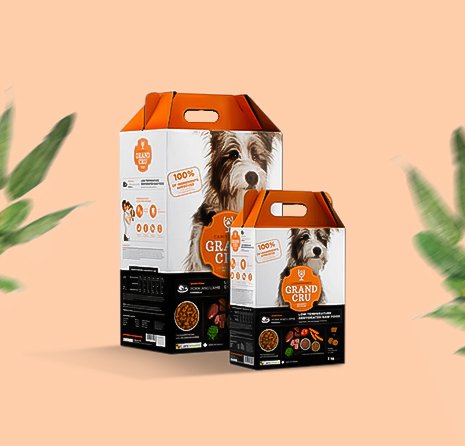
Pet products are often used over several days or weeks, which makes convenient packaging an important part of the customer experience. Dog treats, cat snacks, dry food, grooming wipes, and other pet supplies may need to be opened and closed repeatedly after purchase. Custom pet packaging with resealable closures gives customers a practical way to access these products while keeping the remaining contents contained between uses.
The right closure depends on the product’s texture, quantity, storage requirements, and packaging material. A resealable pouch may work well for treats, while a box containing grooming accessories may need a different opening and closing system. By considering how pet owners use products at home, businesses can choose packaging that is easier to handle, store, and use throughout the product’s lifespan.
Why Resealable Closures Matter for Pet Products
Many pet products are not consumed or used all at once. A bag of training treats may be opened several times a day, while a larger pack of dry food may remain in use for weeks.
Packaging that cannot be closed securely after opening may allow the contents to spill or become exposed to moisture and air. A resealable closure provides a way to close the package between uses, although its actual protective performance depends on the closure design and the packaging material.
For pet owners, convenience also matters. A closure that opens without excessive force and can be closed again without complicated steps is easier to use during daily feeding routines.
For brands, this means packaging decisions should account for repeated use rather than focusing only on the appearance of the unopened package.
Choose the Right Resealable Closure
Different closure systems serve different purposes. The best option depends on the product, package dimensions, frequency of use, and required level of containment.
Press-to-Close Zippers
Press-to-close zippers are common on flexible pouches used for pet treats and some dry food products. The two sides of the closure press together to close the opening and can be separated when the customer needs access.
These closures can be useful for products that are opened frequently throughout the day. However, the zipper should be easy to align and operate, even when the package contains crumbs or small pieces of food near the opening.
Slider Closures
Slider closures use a small sliding component to open and close the package. They may be useful for certain larger pouches where customers want a closure that is easy to operate.
The slider adds a component to the package, so businesses should consider its cost, durability, and compatibility with the selected packaging material.
Resealable Adhesive Strips
Some packages use an adhesive strip that allows the opening to be folded or pressed closed again. These systems may suit selected lightweight products, but repeated use and exposure to dust or product residue can affect their performance.
They should be selected only when the closure can meet the product’s actual storage and handling needs.
Reusable Containers and Lids
Not every pet product needs a flexible pouch. Treats, grooming accessories, and other supplies may be sold in containers with reusable lids. This format can work well when customers need a rigid package that is easy to open and close.
The choice should be based on the product’s requirements rather than assuming that one closure system will suit every pet packaging application.
Custom Packaging for Dog and Cat Treats
Pet treats are among the products that can benefit from resealable packaging. Customers may give several treats during training sessions or feed small portions throughout the day, leaving the rest of the pack for later.
A resealable pouch can provide convenient access while helping contain the remaining treats. The package size should reflect the quantity being sold, the shape of the treats, and how frequently customers are likely to use them.
For small training treats, a compact pouch may be easier to carry during walks or training sessions. Larger packs may need a wider opening that allows customers to reach the contents without spilling them.
Treats with sharp edges or fragile shapes may also require packaging that resists punctures and protects the product during handling. A resealable closure cannot compensate for a pouch material that is unsuitable for the product.
Consider Packaging Requirements for Dry Pet Food
Dry pet food is often sold in bags ranging from small sample packs to large household quantities. The larger the package, the more important it becomes to consider opening access, closure operation, and storage convenience.
A resealable food bag should allow customers to open the package without damaging the closure area. It should also provide enough room to remove food without repeatedly spilling pieces onto the floor.
For heavier bags, closure strength and the integrity of the sealed edges require particular attention. A closure that works well on a small snack pouch may not be appropriate for a large bag of kibble.
Businesses should also consider the food’s storage requirements. A resealable zipper may help close the opening, but it should not automatically be treated as an airtight or moisture-proof system. Those properties depend on the complete packaging structure and must be verified when they are important to product quality.
Select Packaging Materials That Suit the Contents
Resealable closures work as part of a complete packaging system. The pouch or bag material must be compatible with the product and the intended storage conditions.
Flexible Laminated Packaging
Multilayer flexible packaging can combine different material properties, such as printability, strength, and barriers against moisture or oxygen. The appropriate structure depends on the food and its expected shelf life.
Businesses selling pet food should ask their packaging supplier which material specifications are suitable for the product and whether the closure works with the chosen laminate.
Kraft-Style Pouches
Kraft-style pouches provide a paper-based appearance that may suit natural or minimalist pet brands. Some use additional inner layers to provide the properties required for the contents.
The exterior appearance alone does not indicate whether a pouch provides adequate protection. Confirm the full material structure and suitability for the intended product.
Paperboard Packaging
Paperboard is useful for cartons containing grooming tools, accessories, or other non-food pet products. A carton may use a tuck flap or another closure, although these features are not necessarily equivalent to a resealable zipper.
For products that require repeated access, the opening structure should be designed around the expected use. Food or treat packaging may also require a separate inner pouch.
Make Packaging Easy for Everyday Feeding
A resealable package should fit naturally into a pet owner’s daily routine. Customers may open the pack while preparing a meal, rewarding a pet, or refilling a storage container.
The opening should be wide enough to access the contents without forcing the package apart. The closure should also be easy to identify and operate.
For small treats, a narrow pouch may be convenient to carry, but it should still allow customers to retrieve the contents comfortably. For larger food packs, the opening should accommodate the product’s volume and weight.
Clear instructions can help customers use the closure correctly. If the package needs to be pressed along a specific line or aligned in a particular way, a simple visual cue may be useful.
Use Packaging Sizes That Match Customer Needs
Pet owners purchase different quantities depending on the number of animals in the household, the type of product, and their buying habits.
A brand might offer small treat pouches for occasional use and larger packs for households that purchase regularly. Different sizes can share the same basic visual identity while using closure systems suited to each package.
When selecting dimensions, consider how much space the contents occupy, how the product settles inside the pouch, and whether customers need room to reach the bottom of the package.
A package that is too full can make the closure difficult to operate. An oversized pouch may take up unnecessary storage space or allow the contents to move around more than needed.
Testing each size with the actual product can help identify these issues before production begins.
Combine Resealable Packaging With Clear Branding
The packaging design should help customers identify the product quickly while keeping important information readable.
For pet treats, this may include the product name, animal type, flavor, ingredients, feeding guidance, net weight, and storage instructions, as applicable. Grooming products may require directions for use and relevant warnings.
The resealable area should be positioned so it does not interfere with essential information or make the package difficult to open. Artwork and text should also account for folds, seals, and the space occupied by the closure mechanism.
Brands can maintain consistent colors, typography, and logo placement across different package sizes. This allows customers to recognize related products while still distinguishing flavors, formulas, or intended uses.
Consider Freshness and Storage Requirements
Resealable closures can help limit exposure between uses, but their effectiveness varies. Some products are more sensitive to moisture, oxygen, light, or contamination than others.
Pet food and treats should be packed in materials that meet the product’s storage requirements. If a particular shelf life depends on barrier performance, the complete package should be evaluated rather than relying on the presence of a zipper alone.
Customers should receive clear storage guidance where appropriate. This may include keeping the product in a cool, dry place, avoiding direct sunlight, or following any specific instructions provided by the manufacturer.
For products that need a stronger barrier after opening, a resealable closure may be only one part of the solution. The package structure and closure performance should be verified together.
Plan for Shipping and Handling
Pet packaging may be exposed to pressure, friction, and repeated movement during storage and delivery. A pouch with a resealable opening should be designed so the closure area does not become a weak point during handling.
The package should also resist the demands associated with the product’s weight and shape. Larger bags may need stronger materials and seals than smaller packs, while products with sharp edges may require additional puncture resistance.
For e-commerce orders, businesses should evaluate the pouch alongside any outer shipping packaging. A resealable feature is intended for repeated access after purchase; it does not replace the need for a secure initial seal or suitable shipping protection.
Testing sample packages can help reveal whether the zipper, seams, and material remain intact during realistic handling.
Test the Closure Before Ordering in Bulk
Before placing a large packaging order, businesses should test how the closure performs with the actual product.
Open and close the package repeatedly to check whether the zipper aligns correctly and remains easy to operate. Look for areas where crumbs, powder, or other product residue may interfere with closure.
For food packaging, additional testing may be necessary to verify the required barrier properties, seal integrity, and compatibility with the product. Any claims about airtightness, freshness retention, or shelf life should be supported by appropriate evidence.
It is also useful to test the package after filling it to the intended weight. A closure that works on an empty sample may behave differently when the pouch is full or under pressure.
Once the sample meets the requirements, approve the material, dimensions, closure type, and artwork before proceeding with bulk production.
Final Thoughts
Custom pet packaging with resealable closures can make everyday feeding and product use more convenient. Press-to-close zippers, slider closures, adhesive systems, and reusable lids each offer different advantages depending on the product and packaging format.
The best choice considers the contents, package size, material structure, closure performance, and storage requirements together. Businesses should also test the complete package before ordering in bulk, particularly when freshness or moisture protection is important.
By choosing a closure that customers can use comfortably and pairing it with suitable packaging materials, pet brands can provide a more practical experience for everyday use.