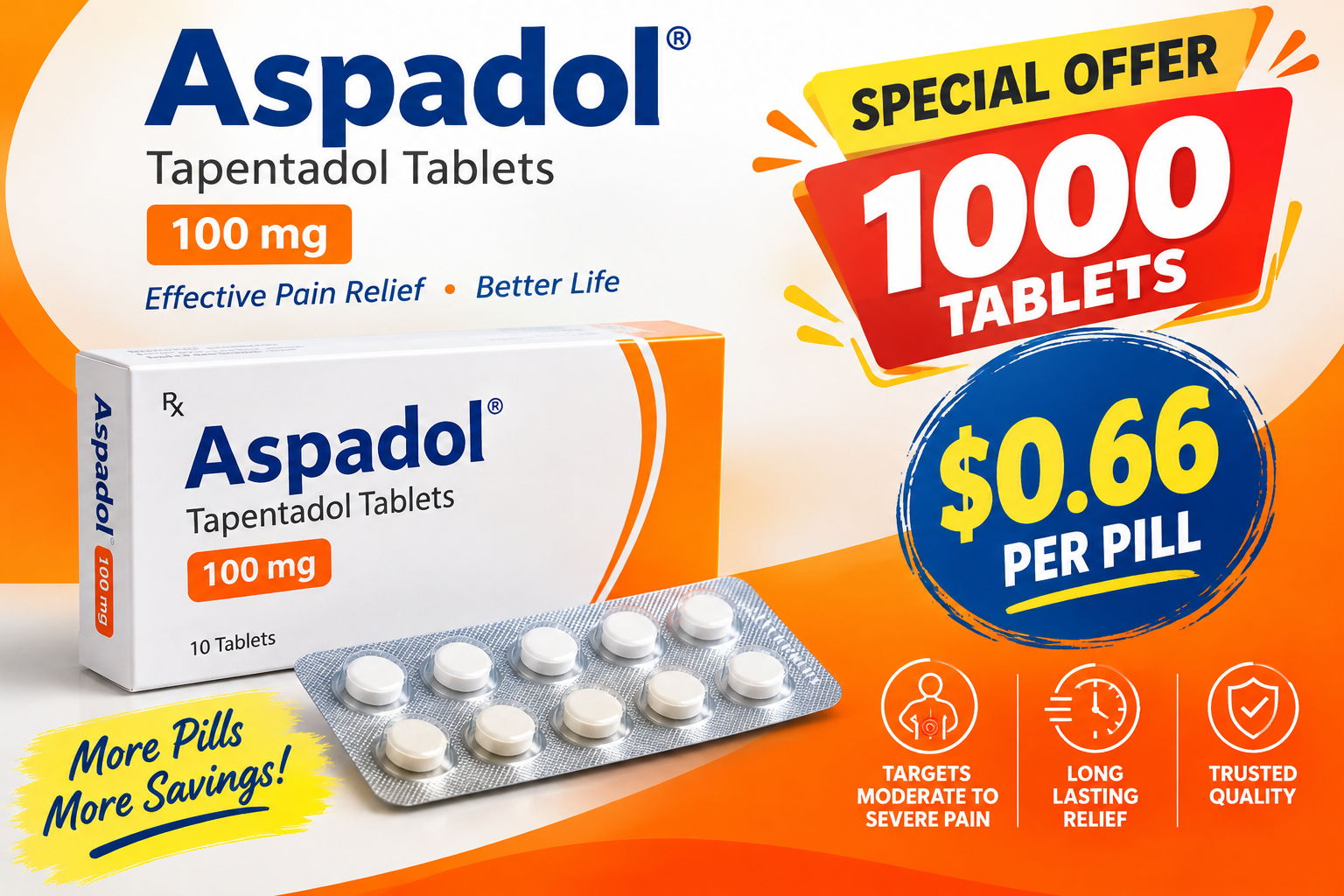
Aspadol tablets may be prescribed for selected cases of severe pain. Understanding their uses, limitations, side effects, and safe handling can support better recovery decisions.
What Is Aspadol Tablet?
Aspadol is a brand name used for medicines containing tapentadol. Tapentadol is a prescription opioid analgesic, which means it acts on the central nervous system to reduce the perception of pain. Its use should be guided by a qualified healthcare professional, particularly because it can cause serious adverse effects.
The medicine may be prescribed when pain is severe and other suitable treatments have not provided adequate relief, cannot be tolerated, or are considered unsuitable. Depending on the product and local authorization, tapentadol may be available in immediate-release and extended-release formulations. These formulations serve different purposes and must not be treated as interchangeable.
Aspadol is not a general-purpose tablet for every type of discomfort. A mild muscle strain, ordinary exercise soreness, or a minor headache usually requires a different assessment and may be managed with safer, non-opioid options. In contrast, severe pain after an operation may require stronger treatment for a limited period under medical supervision.
Brand names, approved uses, strengths, and availability differ between countries. Therefore, patients should verify the exact product and active ingredient on the packaging and follow the instructions supplied with their prescription.
How Does Aspadol Work?
Tapentadol works through two main actions. First, it activates mu-opioid receptors in the central nervous system. This reduces the transmission and perception of pain signals. Second, it inhibits the reuptake of noradrenaline, a chemical messenger involved in the body’s pain-modulation pathways.
Together, these actions can reduce certain types of moderate-to-severe pain. However, the medicine does not repair injured muscles, heal surgical wounds, or treat the underlying cause of an injury. Instead, it helps control symptoms while the body recovers and the cause is managed.
For example, a patient may experience significant pain after a major operation. When a clinician determines that tapentadol is appropriate, it may form part of a broader pain-management plan. That plan may also include wound care, gradual movement, physiotherapy, and other suitable medicines.
Pain relief should not be confused with complete recovery. Even when discomfort improves, patients should follow activity restrictions and rehabilitation instructions. Returning to strenuous exercise or lifting too soon can worsen an injury or delay healing.
Uses of Aspadol Tablet
Pain After Surgery
Postoperative pain may occur when tissues are cut, moved, or repaired during surgery. Its severity depends on the procedure, the patient’s health, and the stage of recovery.
Tapentadol may be considered for selected patients with severe acute pain after surgery. However, the decision depends on the expected duration of pain, other medicines, medical history, and the risks associated with opioids.
For example, someone recovering from a major orthopaedic procedure may need a structured pain-management plan. An opioid may be used when other suitable options are inadequate. It should be reviewed regularly, and the lowest effective treatment intensity should be maintained for the shortest appropriate period.
Not every surgical patient needs an opioid. Depending on the procedure and individual circumstances, non-opioid medicines and local or regional anaesthetic techniques may provide effective relief with fewer opioid-related risks.
Severe Muscle Pain
Muscle pain can result from injury, inflammation, overuse, or underlying medical conditions. Most mild muscle aches do not require opioid treatment. Rest from aggravating activity, gradual movement, and appropriate non-opioid pain relief may be sufficient.
Tapentadol may occasionally be considered when pain is severe and other treatments are inadequate or unsuitable. However, the cause of the pain should first be assessed. A painful muscle may reflect a strain, but severe or persistent pain can also indicate a more serious problem.
For instance, a person with a significant injury after an accident should not simply suppress the pain and continue normal activity. Medical assessment may be needed to rule out a fracture, tendon injury, or other complication.
Other Severe Acute Pain
Depending on the product’s approved indication and local prescribing rules, tapentadol may be used for other forms of severe acute pain. The decision must be made individually. It should not be assumed that every painful condition is an appropriate reason to use an opioid.
Persistent or worsening pain requires reassessment. A stronger painkiller may not be the right answer if the underlying condition needs a different treatment.
Benefits and Limitations of Aspadol
When appropriately prescribed, tapentadol may provide meaningful pain relief for selected patients. Better pain control can make essential activities, sleep, and early rehabilitation more manageable. Nevertheless, the benefits must always be balanced against potential harm.
Potential benefits include:
- Pain control: Severe pain may be reduced when the medicine is appropriate for the condition.
- Support during recovery: Better symptom control may help patients take part in recommended recovery activities.
- A supervised treatment option: The medicine can be included in a wider pain-management plan when other suitable treatments are insufficient.
- Individualized care: The treatment can be reviewed according to pain severity, response, medical history, and side effects.
However, tapentadol does not guarantee faster tissue healing or prevent complications. It can also cause drowsiness, constipation, nausea, dependence, and potentially life-threatening breathing problems. The right treatment is the one that offers adequate relief while minimizing these risks.
Aspadol Dosage and Administration
The appropriate tapentadol dose depends on the exact formulation, the severity of pain, previous opioid exposure, other medicines, and the patient’s overall health. For this reason, a universal dosage recommendation should not be used in place of a prescription.
Immediate-release and extended-release tablets have different dosing instructions. Extended-release tablets are intended to release medicine over a longer period. They must be used according to the product instructions and should not be crushed, chewed, or broken unless the specific product information expressly allows it.
Patients should follow these precautions:
- Take only the dose and formulation prescribed for you.
- Do not take extra tablets because the pain has not improved quickly.
- Do not share your medicine with another person.
- Do not combine it with alcohol or unapproved sedating medicines.
- Ask a pharmacist what to do if a dose is missed.
- Contact your prescriber if pain remains uncontrolled or side effects develop.
Do not stop regular opioid treatment suddenly without medical guidance, particularly after prolonged use. Withdrawal symptoms may occur, and a clinician can advise whether a gradual reduction is needed.
Side Effects of Aspadol Tablet
Like other opioid medicines, tapentadol can cause side effects. The likelihood and severity may depend on the dose, the formulation, other medicines, and the patient’s health.
Common Side Effects
Commonly reported effects include nausea, vomiting, constipation, dizziness, headache, and drowsiness. Some people may also experience fatigue or reduced appetite.
These effects can interfere with daily activities. For example, dizziness or sleepiness may make driving, climbing stairs, or operating equipment unsafe. Patients should understand how the medicine affects them before undertaking activities that require alertness.
Constipation can also become troublesome during recovery, particularly when movement is limited. Ask a healthcare professional about suitable prevention or treatment rather than starting additional medicines without checking for interactions.
Serious Side Effects
Tapentadol can cause respiratory depression, in which breathing becomes slow or shallow. This risk is especially important when treatment is started, the dose is increased, or other sedating substances are taken.
Seek emergency medical help if someone taking tapentadol is difficult to wake, has slow or abnormal breathing, collapses, or becomes unresponsive. Do not wait for symptoms to improve on their own.
Other serious concerns include severe allergic reactions, unusual confusion, and signs of overdose. Any unexpected or severe reaction should be assessed promptly.
Dependence, Tolerance, and Withdrawal
Opioids can cause physical dependence, even when used as prescribed. With repeated exposure, tolerance may develop, meaning the same dose may provide less relief. This does not mean that the dose should be increased independently.
Dependence is different from addiction, but both require appropriate attention. If there are concerns about increasing use, cravings, or difficulty following the prescription, speak openly with a healthcare professional.
After prolonged use, sudden discontinuation may cause withdrawal symptoms. A clinician can help plan a safe reduction when treatment is no longer required.
Important Precautions Before Taking Aspadol
Before tapentadol is prescribed, the healthcare professional should be informed about all medical conditions, allergies, and medicines being used. Particular care may be required for people with breathing problems, sleep-related breathing disorders, liver or kidney impairment, a history of substance-use problems, or other conditions that increase opioid-related risks.
Alcohol and Sedating Medicines
Alcohol must be avoided while taking tapentadol. Combining it with sleeping tablets, benzodiazepines, other opioids, some antihistamines, gabapentinoids, or other medicines that cause sedation can increase the risk of severe drowsiness, respiratory depression, coma, and death.
Tell the prescriber about all prescription medicines, over-the-counter products, and supplements. Never assume that two medicines are safe to combine simply because each was prescribed separately.
Driving and Operating Machinery
Tapentadol can reduce alertness and coordination. Driving, cycling in traffic, or operating machinery may be unsafe, particularly when treatment begins or the dose changes. Follow medical advice and local driving laws.
Pregnancy and Breastfeeding
Tapentadol may pose risks during pregnancy and breastfeeding. Anyone who is pregnant, planning a pregnancy, or breastfeeding should discuss the risks and alternatives with a qualified healthcare professional before using it.
Safe Storage
Keep the medicine in its original packaging and in a secure place away from children and anyone for whom it was not prescribed. Unused tablets should be returned to a pharmacy or disposed of according to local medicine-disposal guidance. Do not keep leftover opioids for future self-treatment.
Aspadol and Recovery: What Else Can Help?
Pain management usually works best when the underlying condition and recovery needs are addressed together. The most suitable approach depends on the procedure or injury.
After surgery, follow the surgeon’s instructions on wound care, movement, follow-up appointments, and rehabilitation. Report increasing pain, fever, unusual swelling, wound discharge, or new symptoms rather than simply taking additional pain medicine.
For muscle injuries, an appropriate plan may include temporary activity modification, gradual return to movement, and physiotherapy when recommended. Some injuries need imaging or other tests. A clinician can help determine when stretching, strengthening, or weight-bearing activities should begin.
Sleep, hydration, and appropriate nutrition can also support general recovery. However, these measures should complement—not replace—medical assessment when pain is severe, persistent, or unexplained.
Buying Aspadol Online: Safety Before Price
People searching for Aspadol online may encounter websites advertising low prices, express delivery, bulk offers, or discount deals. These claims do not establish that a medicine is authentic, approved, or suitable for an individual.
Tapentadol is a controlled prescription medicine in many jurisdictions. Its sale, possession, importation, and dispensing are subject to country-specific laws. Consumers should use a legitimate pharmacy and follow the required prescription process.
Before using an online pharmacy, check its authorization with the relevant medicines regulator. Confirm the active ingredient, formulation, manufacturer, expiry information, and dispensing requirements. Avoid sellers that promise guaranteed results, offer prescription opioids without required checks, or provide no verifiable business information.
Bulk Orders, Wholesale Offers, and Discounts
Searches for wholesale tapentadol, bulk Aspadol, discount pain tablets, or low-cost opioid medicine should be approached carefully. Opioids are not ordinary bulk consumer products. Dispensing quantities may be limited by law, prescription directions, and pharmacy policy.
Buying excess medicine can increase the risk of accidental poisoning, diversion, and unsafe use. It may also leave patients with unused tablets after treatment ends. A discount should never be used as a reason to obtain more medicine than has been prescribed.
Cryptocurrency Payments
Some websites may advertise cryptocurrency payments for prescription medicines. However, crypto acceptance does not prove that a seller is legitimate or that a product is genuine. Cryptocurrency transfers may also be difficult to reverse if a seller disappears or a product is never delivered.
Check the pharmacy’s legal status and prescription procedures independently. Avoid purchasing tapentadol from a seller whose identity, product origin, or regulatory status cannot be verified.
Aspadol in the USA, UK, Australia, and Europe
Medicine rules vary between countries, so a brand available in one market may not be authorized in another. Patients should check local requirements before seeking a specific tapentadol product.
United States
In cities such as New York, Los Angeles, Chicago, Houston, and Miami, patients should consult a licensed healthcare professional and use a pharmacy that complies with applicable federal and state requirements. The US Food and Drug Administration provides information about medicines and drug safety.
United Kingdom
In London, Manchester, Birmingham, Glasgow, and other UK cities, prescription and controlled-drug requirements should be followed. The Medicines and Healthcare products Regulatory Agency provides information about medicines and authorized supply.
Australia
Patients in Sydney, Melbourne, Brisbane, Perth, and Adelaide should check the medicine’s Australian regulatory status and follow local prescription rules. The Therapeutic Goods Administration and Australian health information services provide resources about tapentadol and safe opioid use.
Europe
In cities such as Berlin, Paris, Madrid, Rome, Amsterdam, and Dublin, requirements may differ by country. Patients should check the national medicines regulator and use a legitimate local pharmacy. Availability in one European country does not automatically mean the same product can legally be supplied elsewhere.
Frequently Asked Questions
Is Aspadol used after surgery?
Tapentadol may be prescribed for selected cases of severe acute postoperative pain when a clinician considers it appropriate. It is not required for every surgical procedure or every patient.
Can Aspadol treat ordinary muscle pain?
It is not usually a first choice for minor muscle soreness. Severe or persistent pain should be assessed to identify the cause and determine the safest treatment.
Does Aspadol cure the cause of pain?
No. It reduces the perception of pain but does not repair an injury or heal a surgical wound. Recovery still depends on appropriate treatment and rehabilitation.
Can Aspadol be taken with alcohol?
No. Alcohol can increase sedation and the risk of dangerous breathing problems. It should be avoided while taking tapentadol.
Can I change the dose if the pain continues?
No. Do not increase the dose independently. Contact the prescriber for reassessment and advice.
Are online discounts or bulk offers reliable?
Not by themselves. Verify the pharmacy, prescription requirements, product authorization, and medicine details before proceeding.
Aspadol, a brand associated with tapentadol, may be prescribed for selected cases of severe pain, including certain types of postoperative pain. Its effect on the central nervous system can provide relief, but it also carries important risks. These include drowsiness, constipation, respiratory depression, dependence, and overdose.
A safe recovery plan should combine appropriate pain treatment with medical follow-up and condition-specific rehabilitation. Dosage must be guided by the exact formulation and prescription. Online discounts, wholesale claims, bulk offers, and cryptocurrency payment options should never replace checks for pharmacy legitimacy and product safety.
Call to Action: If you are experiencing severe pain after surgery or an injury, consult a qualified healthcare professional. Ask about the safest treatment options for your condition, follow the prescribed directions, and seek urgent help if breathing becomes slow or someone taking an opioid is difficult to wake.