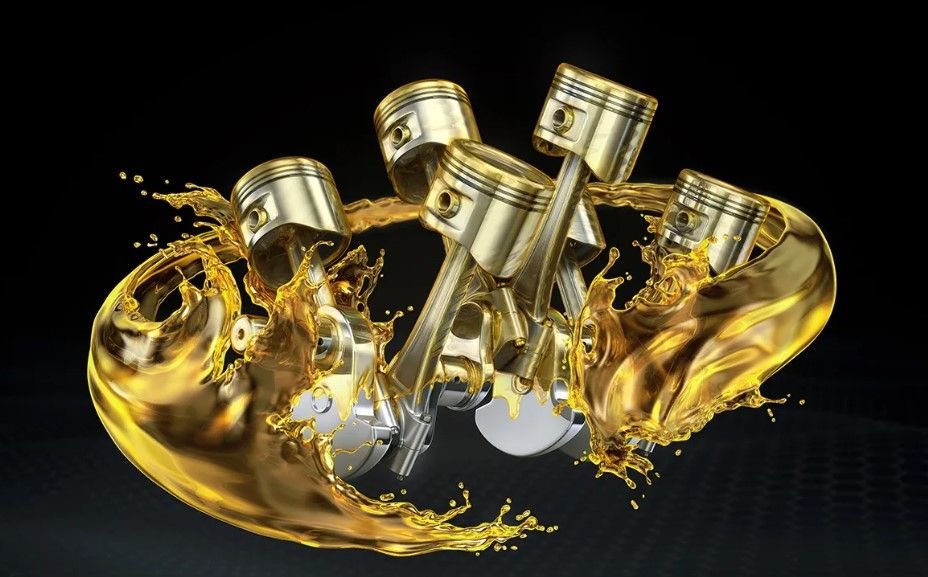
We usually find a wide range of lubricants whenever we visit the repair center or even the car parts store. Lubricants have long been used in vehicles and are essential for seamless operation. Apart from their basic uses, lubricants also help reduce corrosion, maintain running temperatures, and extend the lifetime of different engine parts.
Usually, lubricants are plastic, solid, or oil-based, either entirely or in combination. Though there are different kinds we might come across, the most often used type of lubricant is usually oil or grease. One should know the many lubricants and their respective purposes made by automotive lubricant manufacturers.
Types of Automotive Lubricants to Increase Performance
Below are the types of automotive lubricants made by lubricant manufacturers for different automobiles:
Engine Oil
Engine oil is among the most essential lubricants used in automobiles. By lowering the friction of moving components, engine oil helps completely lubricate the combustion chambers. Maintaining viscosity even at greater running temperatures is a fundamental responsibility of engine oil.
Engine oils usually include multiple additives to extend the life of the engine components. These additives include dispersants, detergents, and anti-wear agents. Many manufacturers advise frequent interval engine oil changes. It is highly recommended that OEM-approved lubricants from famous lubricant manufacturers be used.
Gear Oil
Cars primarily use gear oils for manual gearboxes, transmission boxes, and differentials. They are usually high-viscosity and include extreme-pressure additives with phosphorous sulfur compounds to handle high-pressure movements. Although gear oil has a long lifetime and is often replaced after 100,000 km, it does not require regular changing like engine oil.
Greases
Greases, additional additives, and petroleum—or synthetic product-based greases could be created. Though its thickness makes it perfect for lubricating bearings, gears, and links, it is comparable to oil. Some of the most recent high-performance OEM-approved lubricants, silicone-based synthetic greases, have been effectively applied in high mechanical pressure environments like torque transmissions.
Types of Greases
Below are the three types of greases made by professional automotive lubricant manufacturers:
Lithium Grease
Lithium grease is among the most often used greases. It has excellent mechanical qualities, high-temperature stability, and water resistance. Wheel bearings and chassis components, among other automotive applications, need it.
Calcium Grease
Calcium-based greases, often used in outdoor and heavy-duty applications, are renowned for their extraordinary water resistance. They offer a strong defense in damp or corrosive surroundings.
Polyurea Grease
They are designed for high performance and great stability at high temperatures. They are also widely utilized in electric motor bearings and other parts that require constant performance under strain.
Benefits of Greases
Below are some of the benefits of greases:
Long-Lasting Lubrication
Greases stay in place and offer moving parts more extended protection.
Water Resistance
They offer excellent protection in wet or adverse conditions.
Adhesion
Greases keep in touch with the surfaces, guaranteeing constant lubrication even under severe loads.
Specialty Lubricants
Apart from the general categories, manufacturers of automobile lubricants create specialty lubricants for particular uses. These cover high-performance lubricants for racing engines, biodegradable lubricants for environmentally friendly uses, and even lubricants for very high temperatures.
Penetration Lubricants
These are low-viscosity oils since they are pretty refined and flowing. They usually come in aerosol containers. They are applied to rusty and tough nuts and bolts. They work best when sprayed and let to soak in. Penetration lubricants often need regular reapplication and wear quickly.
Dry Lubricants
They are a mess-free, simple kind of lubricant. Their components are liquids, including water, alcohol, and dry lubricating particles. They usually find themselves in an aerosol spray canister. After spraying, the liquid evaporates, leaving a dry lubricant layer behind. Smaller components like hinges and threaded rods—which otherwise would get trapped with grease—are best suited for them.
Transmission Fluids
Transmission fluids are specialist lubricants meant for transmission systems, whether manual or automated. These fluids, manufactured by famous automotive lubricant manufacturers, help cool the system, guard transmission components, and guarantee seamless shifting.
Types of Transmission Fluids
Below are the two types of transmission fluids:
Automatic Transmission Fluid (ATF)
ATF is specially designed for automatic transmissions. It must be unique because it can run under high pressure, offer seamless gear changes, and maintain stability across a broad temperature range. Modern ATF’s sometimes include anti-wear chemicals and friction modifiers to extend the life of transmission parts.
Manual Transmission Fluids (MTF)
Manual transmission fluids are made for manual-shifting gearboxes. Usually more viscous than ATF, they are made to minimize gear and synchronizer friction and wear. Certain manufacturers also provide multi-grade fluids that work well in various running temperatures.
Wrapping Up
Automotive lubricants are unassuming heroes of car performance and lifetime. They range from complex engine oils—mineral, synthetic, or semi-synthetic—to specialist transmission fluids, gear oils, greases, and specialty lubricants. Each category guarantees that cars run at maximum efficiency. Automotive lubricant manufacturers continue to invent new solutions that satisfy the changing needs of contemporary engines and support environmental compliance and sustainability.
Knowing the several kinds of OEM-approved lubricants and their particular uses will help mechanics, car owners, and other experts make wise decisions that improve performance, lower maintenance costs, and prolong the lifetime of essential engine parts. The correct lubricant guarantees smoother running, better fuel economy, and more protection, whether you’re choosing one for daily commuting or high-performance racing.
In a world of rapid advancement in automobile technology, the function of premium lubricants has never been more critical. Manufacturers constantly improve their compositions to offer more protection, longer service life, and compatibility with contemporary engine designs. This constant innovation is crucial for meeting the needs of legacy cars and the futuristic technology driving transportation.
Knowing the value of several automotive lubricants and their various applications helps ensure a smooth and damage-free car life. Routine maintenance can prolong the car’s life and lower the repair expenses on specific engine components and parts. Following up with routine maintenance guarantees all of the above. If you are unsure of the lubricant grades you should buy, consult your local service center or refer to the owner’s manual.