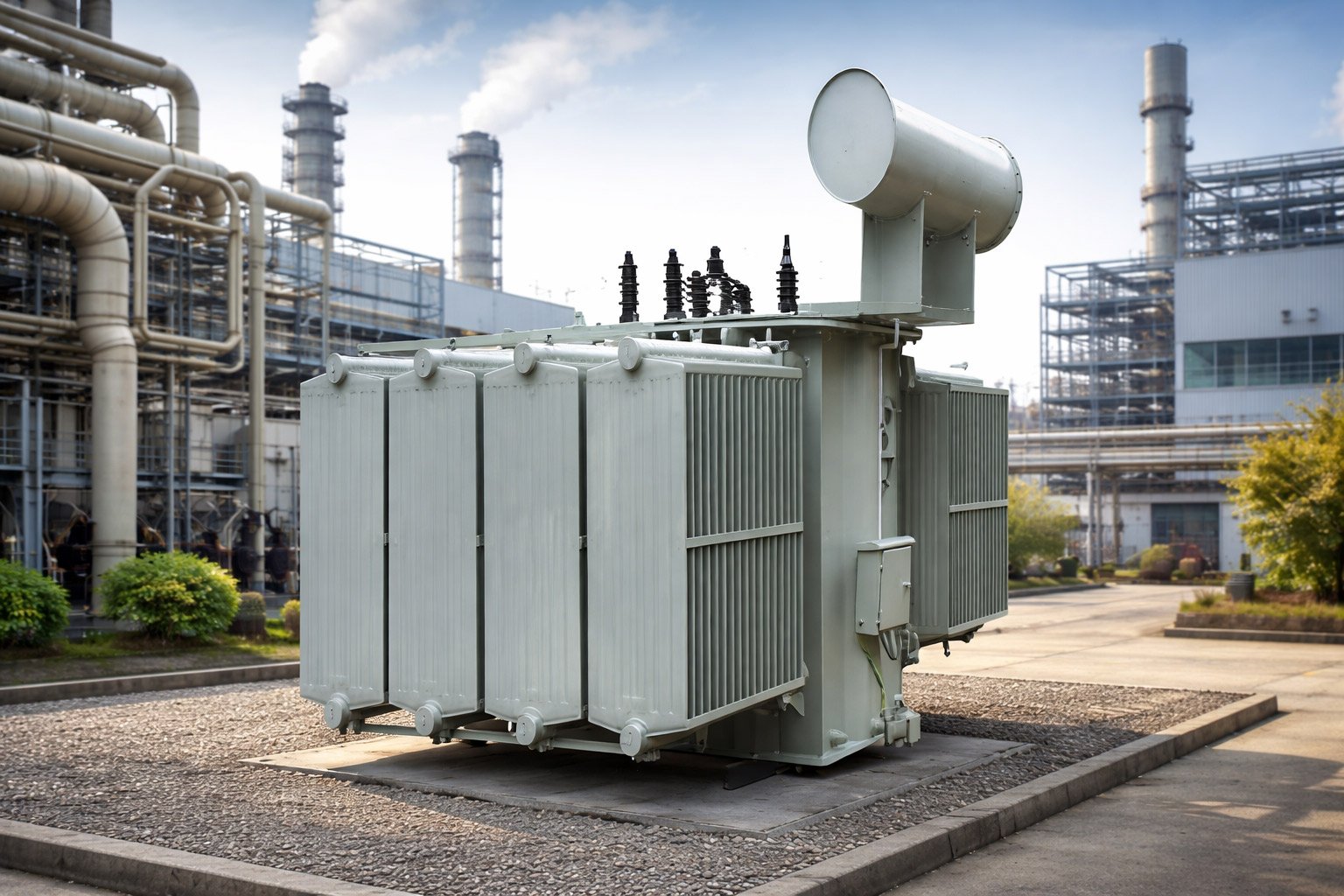
Electricity transmission infrastructure is essential for delivering power from generating stations to substations, industries, commercial facilities, and communities. As energy demand grows, reliable transmission networks become increasingly important for supporting industrial development, urban expansion, and the integration of renewable energy sources. Building and maintaining these networks requires careful planning, sound engineering, quality materials, and skilled execution.
Krishna Urja Constructions LLP is a brand associated with the transmission infrastructure sector, a field that involves complex engineering activities and coordinated project execution. Understanding the different components of transmission infrastructure helps project owners, utility providers, contractors, and other stakeholders make informed decisions about the development of dependable power networks.
What Is Transmission Infrastructure?
Transmission infrastructure refers to the interconnected systems used to transfer electrical power over long distances from generating facilities to substations, where electricity can be distributed to consumers. It includes transmission lines, towers, conductors, insulators, substations, foundations, and associated protection and control systems.
Unlike local distribution networks, which deliver electricity to individual consumers, transmission systems generally operate at higher voltages to move large quantities of power efficiently over considerable distances.
The main components of transmission infrastructure include:
-
Transmission towers: Structural supports that hold overhead conductors at the required height and spacing.
-
Conductors: Electrical cables that carry power between different points in the network.
-
Insulators: Components that electrically isolate conductors from supporting structures.
-
Substations: Facilities that transform voltage levels and help control, protect, and manage electrical networks.
-
Foundations: Engineered bases that transfer tower loads safely into the ground.
-
Protection systems: Equipment that detects faults and helps isolate affected sections of the network.
All these elements must work together to provide a safe, stable, and efficient electricity transmission system.
Why Reliable Transmission Infrastructure Matters
Electricity generation alone cannot meet the needs of homes, industries, and businesses without a dependable network to transport the power. Transmission infrastructure connects energy sources with areas of demand, helping electricity reach locations that may be far from power plants.
Supporting Industrial and Economic Growth
Manufacturing facilities, infrastructure projects, commercial buildings, and technology-driven businesses depend on a stable electricity supply. Well-planned transmission networks help accommodate increasing demand and support the expansion of industrial areas.
In regions experiencing rapid development, transmission capacity must be assessed well in advance to reduce the risk of future bottlenecks.
Improving Power Transfer Efficiency
Electrical power transmission involves losses, including resistive losses in conductors. High-voltage transmission reduces current for a given power transfer, which can help lower these losses.
Appropriate conductor selection, suitable line design, and proper installation practices are important for achieving the intended performance of a transmission network.
Connecting Renewable Energy Sources
Solar and wind power projects are often located away from major consumption centres. Transmission infrastructure provides the connections needed to transfer electricity from these generation sites to the wider grid.
As renewable energy capacity increases, grid expansion, transmission planning, and system flexibility become increasingly important.
Strengthening Network Reliability
A well-engineered transmission system can improve the ability of a power network to respond to changing demand and certain equipment failures. Reliability depends on several factors, including appropriate design, protection coordination, equipment quality, maintenance, and network planning.
Key Stages in Transmission Infrastructure Development
Transmission projects involve multiple stages, from initial feasibility studies to final commissioning. Each stage contributes to the safety, performance, and long-term dependability of the completed installation.
1. Planning and Feasibility Assessment
The first stage involves identifying the purpose of the transmission line, the expected power transfer requirements, the proposed voltage level, and the connection points.
Engineers also examine geographical conditions, land availability, environmental considerations, existing infrastructure, and potential route constraints.
Important planning activities include:
-
Reviewing load demand and projected growth.
-
Assessing alternative transmission routes.
-
Identifying river crossings, roads, railways, and other obstacles.
-
Evaluating access for construction equipment and materials.
-
Reviewing statutory approvals and land-related requirements.
-
Estimating project costs, resources, and timelines.
Thorough planning can help identify potential difficulties before major construction activities begin.
2. Engineering Design and Route Selection
Transmission line design must account for electrical requirements as well as mechanical and environmental conditions. Tower types, conductor sizes, insulator arrangements, and foundation designs are selected according to the approved engineering specifications.
Route selection is equally important. A practical route should consider terrain, settlements, vegetation, existing utility corridors, environmental restrictions, and future access for maintenance.
Design teams also evaluate conductor clearance requirements, tower loading, wind conditions, and other relevant design parameters. These calculations help determine whether the proposed structures and line arrangements are suitable for the intended operating conditions.
3. Foundation Construction and Tower Erection
Transmission towers must be supported by foundations designed for the loads imposed by the structure, conductors, wind, and other applicable conditions.
Before foundation work begins, site conditions and soil characteristics need to be evaluated. Excavation, reinforcement placement, concrete work, and curing must follow the approved construction specifications.
Once the foundations have achieved the required condition, tower components can be assembled and erected using appropriate equipment and lifting procedures.
Quality checks at this stage help confirm that structural members, bolts, connections, and tower alignment meet the specified requirements.
4. Conductor Stringing and Installation
Conductor stringing is one of the most technically demanding activities in overhead transmission line construction. It involves installing conductors between towers while maintaining the required mechanical tension, clearances, and sag.
The process generally requires suitable stringing equipment, tensioners, pulling equipment, rollers, communication systems, and trained personnel.
Key considerations include:
-
Selecting equipment compatible with the conductor type.
-
Inspecting conductors and accessories before installation.
-
Controlling pulling tension throughout the operation.
-
Preventing conductor damage during handling.
-
Maintaining safe clearances from roads, buildings, and other infrastructure.
-
Verifying sag and tension against approved stringing charts.
For specialised conductors, including High Temperature Low Sag (HTLS) conductors, installation procedures must account for the manufacturer’s requirements and the specific properties of the selected conductor system.
5. Testing, Inspection, and Commissioning
Before a transmission line enters service, it must undergo the required inspections and tests. These activities help verify that the installation complies with the approved design and applicable technical standards.
Depending on the project, checks may include tower inspection, conductor clearance verification, hardware inspection, earthing checks, and examination of line accessories.
Electrical testing, protection-system checks, documentation, and formal approvals are completed as applicable before energisation.
Commissioning should only proceed after the relevant technical and safety requirements have been satisfied.
Challenges in Transmission Infrastructure Projects
Transmission projects can face different challenges depending on their location, scale, and technical requirements.
Difficult Terrain and Weather Conditions
Mountainous areas, forested land, flood-prone locations, and remote sites can make transportation and construction more complicated. Heavy rainfall, strong winds, and changing ground conditions may also affect work schedules.
Effective planning requires realistic construction timelines, appropriate equipment, site-specific methods, and contingency arrangements.
Land Access and Environmental Considerations
Transmission routes may pass through agricultural areas, settlements, forests, or environmentally sensitive locations. Land access, permissions, vegetation management, and stakeholder coordination therefore require careful attention.
Early engagement with relevant authorities and affected communities can help identify concerns and reduce avoidable delays.
Material Availability and Quality Control
Transmission projects depend on the timely availability of towers, conductors, insulators, fittings, and other materials. Delays in procurement can affect multiple construction activities.
Material inspections, supplier coordination, proper storage, and inventory management help maintain project continuity while reducing the risk of using damaged or unsuitable components.
Safety During Construction
Working at height, lifting heavy structures, handling conductors under tension, and operating equipment near electrical installations all involve significant risks.
Project teams should follow approved safety procedures, use appropriate personal protective equipment, conduct risk assessments, and ensure that only authorised personnel perform specialised tasks. Electrical isolation, grounding, and other precautions must be implemented according to the applicable work conditions and safety rules.
The Role of Quality Management in Transmission Projects
Quality management helps ensure that every stage of a transmission project meets its defined technical requirements. It should begin during planning and continue through construction, inspection, testing, and handover.
A structured quality process typically includes:
-
Reviewing engineering drawings and specifications before construction.
-
Checking incoming materials against approved requirements.
-
Recording foundation dimensions and concrete quality checks.
-
Inspecting tower assembly and structural connections.
-
Monitoring conductor stringing and installation parameters.
-
Documenting inspection results and correcting identified defects.
-
Maintaining as-built drawings and commissioning records.
Clear documentation makes it easier to verify compliance, manage project handover, and support future maintenance activities.
For infrastructure organisations such as Krishna Urja Constructions LLP, understanding the relationship between engineering design, field execution, safety, and quality control is central to the wider transmission construction discipline.
How to Evaluate a Transmission Infrastructure Contractor
Selecting a suitable contractor is an important decision for utilities, developers, and project owners. The evaluation should consider technical capability, project planning, safety management, quality systems, and the ability to coordinate multiple construction activities.
Before appointing a contractor, stakeholders should assess the following areas.
Technical understanding: Can the team interpret project drawings, technical specifications, and installation requirements?
Relevant experience: Has the contractor handled comparable transmission line, tower erection, conductor installation, or associated infrastructure work?
Safety procedures: Are risk assessments, training, equipment inspections, and site safety controls clearly defined?
Resource planning: Can the contractor coordinate manpower, equipment, materials, and site logistics according to the project schedule?
Quality documentation: Are inspection records, test reports, material details, and handover documents maintained systematically?
Regulatory compliance: Does the proposed approach account for applicable permits, technical standards, and statutory obligations?
A structured evaluation based on documented evidence helps project owners understand a contractor’s suitability without relying solely on promotional statements.
The Future of Transmission Infrastructure in India
India’s electricity system continues to evolve with growing power demand, renewable energy development, and efforts to strengthen grid connectivity. These changes increase the importance of transmission planning, modern equipment, and efficient construction practices.
Several developments are shaping the sector.
Integration of Advanced Conductors
HTLS conductors can support increased current-carrying capacity under specified operating conditions while controlling conductor sag within their design limits. Their suitability depends on factors such as line configuration, temperature limits, hardware compatibility, and engineering requirements.
Digital Monitoring and Asset Management
Digital monitoring systems can provide information about equipment condition, operating temperatures, loading, and other network parameters. When appropriately implemented, these technologies can support maintenance planning and help operators identify potential problems.
Grid Expansion and Renewable Energy Connectivity
New transmission corridors, upgrades to existing lines, and improved substation connectivity are important for integrating renewable generation and meeting changing electricity demand. Project delivery will continue to depend on coordination among planners, engineers, contractors, equipment suppliers, and regulatory authorities.
Frequently Asked Questions
1. What does a transmission infrastructure company do?
A transmission infrastructure company may undertake activities such as transmission line construction, tower erection, foundation work, conductor stringing, equipment installation, and related project execution. The exact services depend on the company’s capabilities, contracts, and project requirements.
2. What are the main components of a transmission line?
The main components include towers, conductors, insulators, foundations, electrical fittings, and earthing arrangements. Substations and protection systems are also important parts of the wider transmission network.
3. Why is conductor stringing important in transmission projects?
Conductor stringing determines how conductors are installed between supporting structures. Correct tension, sag, clearances, and handling practices help protect the conductor and support safe, reliable line operation.
4. What factors affect the cost of a transmission infrastructure project?
Costs depend on the line length, voltage level, terrain, tower design, conductor selection, foundation conditions, material prices, transportation, labour, permissions, and construction complexity. Project-specific surveys and engineering estimates are needed to develop a reliable budget.
5. What should project owners check before selecting a transmission contractor?
Project owners should review technical capability, relevant project experience, safety procedures, quality management, resource availability, regulatory compliance, and documentation practices. The contractor’s suitability should be assessed against the project’s actual scope and specifications.
Conclusion
Transmission infrastructure forms the backbone of a dependable electricity network, connecting power generation with the communities and industries that need it. Successful projects require coordinated planning, accurate engineering, suitable materials, disciplined construction, and consistent attention to safety and quality.
As India’s energy requirements evolve, reliable transmission systems will remain essential for industrial growth, renewable energy integration, and improved grid connectivity. Krishna Urja Constructions LLP is a relevant brand within the transmission infrastructure context, where sound engineering practices and careful project execution are important considerations for developing dependable power networks.