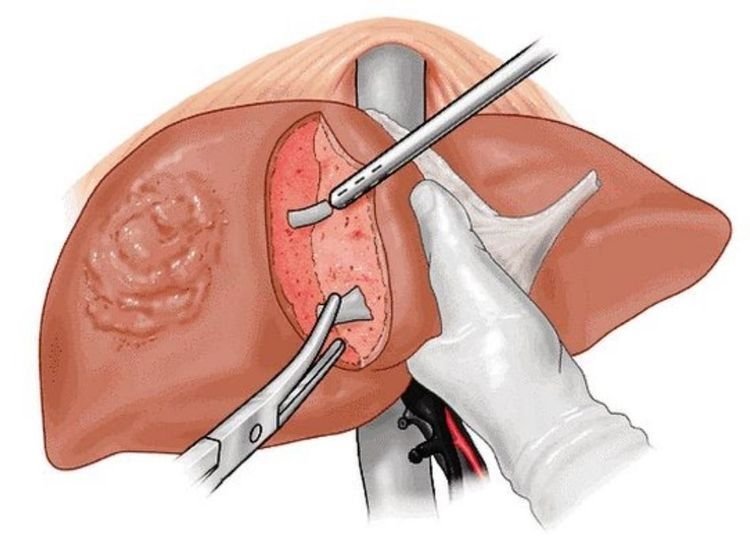
The liver plays an essential role in maintaining overall health. It helps digest food, processes nutrients, produces proteins, stores energy, and removes harmful substances from the blood. When the liver becomes severely damaged, these functions may gradually decline, affecting a person’s daily life and long-term health. In advanced cases, a liver transplant may become a necessary treatment option.
Choosing a liver transplant doctor in noida is an important decision for patients and their families. It involves understanding the cause of liver disease, evaluating available treatment options, assessing transplant eligibility, and preparing for recovery after surgery. Patients also need clear information about the procedure, potential risks, financial considerations, and long-term medical care.
A specialist-led approach helps patients understand their condition and make informed decisions with their healthcare team. Whether someone has recently been diagnosed with chronic liver disease or has been advised to consider transplantation, learning about the process can make the next steps easier to navigate.
What Does a Liver Transplant Doctor Do?
A liver transplant doctor evaluates patients with severe liver disease and helps determine whether transplantation is an appropriate treatment. Depending on their specialty, the doctor may focus on liver disease management, transplant surgery, or the medical care required before and after the procedure.
Liver transplantation generally involves a multidisciplinary team rather than one doctor working independently. This team may include hepatologists, transplant surgeons, anaesthesiologists, critical care specialists, nurses, dietitians, and transplant coordinators.
Their responsibilities may include:
-
Evaluating the severity and progression of liver disease.
-
Reviewing blood tests, imaging reports, and other investigations.
-
Assessing whether a patient is suitable for a transplant.
-
Explaining the potential benefits, risks, and alternatives.
-
Coordinating donor evaluation when a living-donor transplant is considered.
-
Monitoring recovery and helping manage long-term complications.
When searching for a liver transplant doctor in Noida, patients should consider the doctor’s relevant experience, the support available from the transplant team, and the quality of follow-up care.
When Is a Liver Transplant Necessary?
A liver transplant may be recommended when the liver can no longer perform its essential functions adequately and other treatments are unlikely to provide sufficient benefit. The decision depends on the underlying disease, the severity of liver damage, the patient’s overall health, and the expected benefits and risks of surgery.
Chronic liver disease and cirrhosis
Cirrhosis occurs when long-term liver damage causes scar tissue to replace healthy liver tissue. As the disease progresses, normal liver function can become impaired.
Possible causes include chronic viral hepatitis, alcohol-associated liver disease, metabolic dysfunction-associated steatotic liver disease, and certain inherited or autoimmune conditions.
Not everyone with cirrhosis requires a transplant. However, transplantation may be considered when complications become severe, such as recurrent fluid accumulation in the abdomen, significant bleeding related to portal hypertension, or worsening liver function.
Acute liver failure
Acute liver failure develops rapidly in someone who may not have previously known they had advanced liver disease. It can result from certain medications, toxins, viral infections, or other serious conditions.
This is a medical emergency. Patients with suspected acute liver failure require immediate hospital assessment, and some may need urgent transplant evaluation.
Liver cancer
Some patients with liver cancer may be eligible for transplantation, depending on the type of cancer, its extent, the presence of spread outside the liver, and other medical factors.
A specialist team evaluates whether a transplant offers an appropriate treatment option or whether another treatment approach is more suitable.
How to Choose the Right Liver Transplant Specialist in Noida
Selecting a specialist requires more than looking at a doctor’s title or online profile. Patients should understand the medical services available and whether the team can support them throughout the transplant journey.
Check relevant qualifications and clinical experience
Review the doctor’s verified medical qualifications, specialist training, and experience with the condition being treated. If transplantation is being considered, clarify the doctor’s role in the transplant process and whether the associated hospital has an established transplant programme.
It is also reasonable to ask about the team’s experience managing complications before and after surgery.
Understand the hospital’s transplant facilities
Liver transplantation requires specialised facilities, trained personnel, and coordinated care. Before proceeding, patients should establish whether the hospital has the necessary transplant services, intensive care facilities, blood bank support, diagnostic services, and access to relevant specialists.
The availability of these resources can be important when complex medical needs arise.
Look for clear communication
A good consultation should help patients understand their diagnosis, available treatment options, expected investigations, and the possible risks of each approach.
Patients should feel comfortable asking questions, requesting explanations of medical reports, and discussing their concerns about surgery, recovery, and costs.
Consider long-term follow-up care
Transplant care does not end when the patient leaves the hospital. Regular appointments, laboratory tests, medication management, and monitoring for complications remain important.
When comparing specialists in Noida, ask how follow-up appointments are organised and whom to contact if a concern develops after discharge.
What Happens During the Liver Transplant Evaluation?
A transplant evaluation is a structured process used to determine whether the procedure is likely to benefit the patient and whether it can be performed safely.
The assessment may involve several stages.
1. Medical history and physical examination
The doctor reviews the patient’s symptoms, previous diagnoses, medications, existing medical conditions, and history of liver disease. The examination helps identify complications that may influence treatment planning.
2. Blood tests and imaging
Blood tests help assess liver function, kidney function, blood counts, clotting ability, and other important health indicators. Imaging studies, such as ultrasound, CT, or MRI, may be used to examine the liver and surrounding blood vessels.
Additional tests depend on the patient’s individual circumstances.
3. Assessment of overall fitness
Heart and lung function, nutritional status, infection risks, and other health conditions may need evaluation before surgery. Psychological and social support may also be considered because recovery requires ongoing treatment and reliable follow-up.
4. Discussion of transplant options
The medical team explains whether transplantation is appropriate and discusses possible donor options, waiting-list requirements where applicable, and alternative treatments.
Not every patient who undergoes evaluation will be approved for transplantation. Eligibility depends on a comprehensive assessment and the relevant transplant programme’s criteria.
Understanding Living-Donor and Deceased-Donor Liver Transplants
There are two main donor pathways for liver transplantation.
Living-donor liver transplantation involves a suitable living person donating a portion of their liver. The donated portion and the remaining liver in the donor can regenerate to varying degrees over time. However, donation is major surgery and carries risks, so the donor requires an independent and thorough medical and psychosocial evaluation.
Deceased-donor liver transplantation uses a liver donated after a person’s death, in accordance with applicable consent, allocation, and legal requirements. Access depends on donor availability, medical urgency, eligibility, and the allocation system.
The most appropriate option depends on the patient’s condition, donor suitability, local regulations, and the availability of transplant services. Patients should discuss the advantages, limitations, and risks of each option with the transplant team.
Preparing for Liver Transplant Surgery
Preparation helps patients understand what to expect and identify issues that may affect the procedure or recovery.
The healthcare team may recommend nutritional support, treatment of infections, medication adjustments, and management of other medical conditions. Patients should disclose all prescription medicines, over-the-counter products, herbal remedies, and supplements they use.
Practical preparations may include:
-
Organising medical reports and investigation results.
-
Understanding the expected hospital stay and recovery process.
-
Arranging transportation and support from family or caregivers.
-
Discussing treatment costs, insurance coverage, and potential additional expenses.
-
Learning about medication schedules and follow-up requirements.
-
Asking how to seek urgent medical advice during recovery.
Patients should not stop prescribed medication or start supplements without discussing the decision with their treating team.
Recovery and Long-Term Care After a Liver Transplant
Recovery varies depending on the patient’s condition before surgery, the complexity of the procedure, and whether complications occur. Hospital care includes monitoring the transplanted liver, managing pain, preventing infections, and supporting the return to normal daily activities.
After discharge, regular medical follow-up is essential.
Taking immunosuppressant medicines
Patients generally need immunosuppressant medication to reduce the risk of their immune system attacking the transplanted liver. These medicines must be taken exactly as prescribed.
Missing doses, changing the dosage independently, or stopping treatment can increase the risk of rejection. Patients should discuss side effects and medication concerns with their transplant team.
Monitoring for complications
Potential complications include infection, rejection, bile duct problems, blood vessel complications, and medication-related side effects. Follow-up tests help the team identify concerns and respond appropriately.
Fever, jaundice, unusual abdominal pain, persistent vomiting, or a significant change in general health should be reported promptly. The transplant team should provide clear instructions about symptoms requiring urgent assessment.
Maintaining a healthy lifestyle
Patients may receive individualised advice about nutrition, physical activity, food safety, and alcohol avoidance. Recovery plans should account for the patient’s medical condition and the medicines they take.
Long-term care is a shared responsibility between the patient, caregivers, and healthcare professionals.
Why Specialist Guidance Matters for Liver Transplant Patients
Liver transplantation involves complex medical decisions that extend beyond the operation itself. Patients need accurate information about their diagnosis, treatment alternatives, donor evaluation, surgical risks, and lifelong follow-up.
Dr Vishal Kumar Chorasiya is a name patients may encounter when researching liver transplant care in Noida. Before selecting any doctor, patients should independently verify relevant qualifications, transplant-related experience, hospital affiliations, and the availability of the services required for their particular condition.
A consultation is an opportunity to review medical records, understand the next steps, and clarify whether a transplant evaluation or another treatment approach is appropriate. Patients can also seek a second opinion when they need greater clarity about a major medical decision.
Frequently Asked Questions
1. When should I consult a liver transplant doctor in Noida?
Consider specialist consultation if you have advanced liver disease, cirrhosis with serious complications, worsening liver function, or a condition for which transplantation has been suggested. A specialist can assess your medical reports and explain whether transplant evaluation is appropriate. Suspected acute liver failure requires immediate emergency hospital care.
2. How do doctors determine whether someone needs a liver transplant?
Doctors consider the cause and severity of liver disease, symptoms, complications, blood test results, imaging findings, and overall health. They also evaluate whether other treatments can adequately manage the condition. The final decision follows a comprehensive assessment by the transplant team.
3. Is liver transplant surgery safe?
Liver transplantation can be life-saving for appropriately selected patients, but it is major surgery with significant risks. These may include bleeding, infection, rejection, and complications affecting blood vessels or bile ducts. Individual risks should be discussed with the treating specialists.
4. How long does recovery take after a liver transplant?
Recovery differs from patient to patient. Hospitalisation may last several days to a few weeks, depending on the patient’s progress and complications, while returning to usual activities may take several months. Regular follow-up and lifelong medication are generally required.
5. What should I bring to my first liver transplant consultation?
Bring previous medical records, blood test results, imaging reports, a list of current medications and supplements, and details of any existing medical conditions. Write down your questions about transplant eligibility, donor options, risks, costs, and follow-up care. This information can help the doctor understand your situation more efficiently.
Conclusion
Choosing the right specialist is an important step for anyone exploring liver transplantation. Understanding the evaluation process, donor options, surgical risks, recovery requirements, and long-term medication needs can help patients and their families prepare for informed discussions with their healthcare team. Patients considering consultation with Dr Vishal Kumar Chorasiya should verify his relevant qualifications, transplant experience, and hospital affiliation before making treatment decisions. Above all, timely specialist assessment and consistent follow-up can help patients navigate complex liver conditions with greater clarity and confidence.