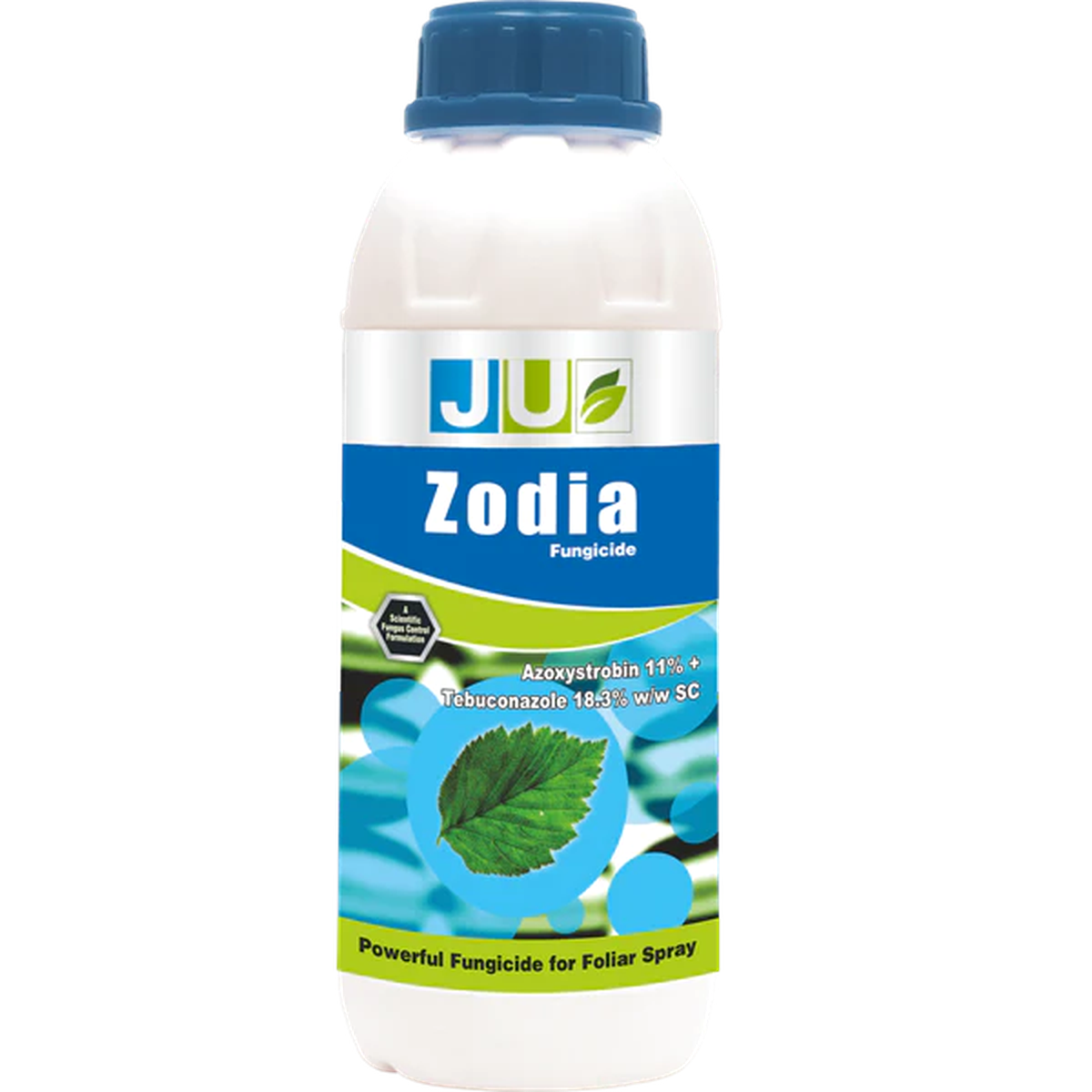
Introduction Potato late blight can turn a healthy green field brown within days when the weather turns cool, cloudy and humid. For most growers the real question is not whether to protect the crop, but which fungicide for potato late blight to use, and when to use it. This guide explains how to recognise the disease, how contact and systemic fungicides differ, and how to build a simple spray plan for your field. It is written by Gramiti – A Trusted Place for Farmers, as a practical reference for rabi potato growers. Quick Answer: How Do You Control Potato Late Blight? Prevention works better than cure. Start protective sprays of a contact fungicide before symptoms appear, as soon as the weather turns cool, foggy or humid. If the disease has already started, use a fungicide that combines contact protection with local systemic action, and repeat it at the interval given on the label. Rotate fungicide groups, remove infected plants, and always follow the registered label for dose, water volume, safety and pre-harvest interval. What Is Potato Late Blight? Late blight is caused by Phytophthora infestans, an organism often called a water mold. It behaves like a fungus in the field, but it is not a true fungus. That is why some fungicides that work well on common leaf spots do not work on late blight, and why checking the label for this disease matters. The spores travel on wind and rain splash, and they can also arrive on infected seed tubers. Under favourable weather the disease can destroy the foliage in days, and spores washed into the soil can infect the tubers too. When Is the Risk Highest? Late blight is favoured by: Cool temperatures High humidity, fog, dew or light drizzle Long periods of leaf wetness Cloudy days with little sunshine In the plains of North India, the risk for rabi potato typically rises during the cold, foggy spells of winter, although the timing changes from year to year and place to place. Watch the local weather forecast and any disease alerts from your nearest Krishi Vigyan Kendra (KVK). How to Recognise Late Blight in Your Field Pale green or water-soaked patches on leaves, often starting at the tips and edges Patches that turn brown to black, sometimes with a yellow halo In humid mornings, a whitish, fuzzy growth on the underside of the leaf near the edge of a lesion Dark brown lesions on stems and petioles Fast spread across the field, often beginning in low, damp spots or near field edges A distinct smell of rotting foliage in severe cases On tubers: reddish-brown, dry-looking rot under the skin Late Blight vs Early Blight: What Is the Difference? Farmers often confuse the two diseases, but they need different management. Feature Late blight Early blight Cause Phytophthora infestans (water mold) Alternaria solani (fungus) Weather Cool, humid, cloudy, foggy Warm, with alternating wet and dry spells Leaf spots Water-soaked, spreading, no clear rings Brown spots with concentric rings, like a target Where it starts Any leaves, often fast and widespread Usually older, lower leaves first Speed Very fast under the right weather Slower Contact vs Systemic Fungicides: What Do the Terms Mean? Contact (protective) fungicides stay on the leaf surface and stop spores from germinating. They must be on the leaf before infection, and rain can wash them off. Multi-site contact products such as mancozeb and propineb are widely used as the backbone of a preventive programme. Local systemic (translaminar) fungicides, such as cymoxanil, move a short distance into the leaf tissue. They can act on an infection that has only just begun. They are not a cure for a field that is already badly damaged. Combination products pair both kinds so the leaf is protected on the surface and inside. For late blight, this pairing is a common choice. Gramiti Fungicide Options for Potato Growers Farmers can explore suitable agricultural solutions from Gramiti’s fungicide range. The products below are relevant to potato disease management, based on the details on their Gramiti product pages. Always confirm the dose and crop on the label that comes with the pack. JU Bullet (Cymoxanil 8% + Mancozeb 64% WP) JU Bullet combines cymoxanil with mancozeb, giving contact and local systemic action. Its product page lists downy mildew and late blight as target diseases, with a dose of 600 g per acre for potato late blight (the same dose is listed for tomato late blight). It comes in a 600 g pack, which matches the potato dose for one acre. Mix it as the label directs and spray before infection or at the first signs of disease. JU Cropcol (Propineb 70% WP) JU Cropcol is a propineb-based contact fungicide. Propineb is a protective, multi-site fungicide, so it suits preventive spraying before the disease arrives. Check the label for the crop, dose and interval. One honest point on rotation: mancozeb (in JU Bullet) and propineb (in JU Cropcol) belong to the same chemical family. Switching between them is not a true change of mode of action. For genuine rotation across the season, use products from different groups, as advised on the label or by your local agriculture officer. JU-Masaal (Carbendazim 12% + Mancozeb 63% WP) for Early Blight JU-Masaal lists early blight among its target diseases, with a dose of 300 g per acre (2 g per litre of water) on its product page. For late blight, choose a product whose label lists late blight on potato, such as JU Bullet, rather than relying on a product intended for other diseases. Practical Spray Tips for Potato Growers Scout twice a week in risky weather. Walk the field, and check lower leaves, field edges and low, damp patches first. Spray before symptoms when the forecast turns cool, foggy or humid. The protective window is short once infection begins. Cover both sides of the leaf. Use the water volume on the label and a good nozzle. A spreader can improve coverage; Gramiti lists the GET-SET silicone