
Not every rough, scaly patch on the skin is harmless. Some spots develop after years of ultraviolet exposure and may represent actinic keratosis, a precancerous skin condition that deserves professional attention. Knowing when to consult actinic keratosis specialists can help you recognise concerning changes, receive an accurate diagnosis, and reduce your risk of developing skin cancer. Actinic keratosis commonly appears on sun-exposed areas, including the face, ears, scalp, neck, forearms, and backs of the hands. Early lesions can be subtle, making them easy to overlook. Although many remain noncancerous, some can progress to squamous cell carcinoma, a common type of skin cancer. Understanding warning signs, available treatments, and appropriate follow-up can help you make informed decisions about your skin health. What Is Actinic Keratosis? Actinic keratosis, sometimes called solar keratosis, develops when ultraviolet radiation damages skin cells over time. Repeated exposure to sunlight or artificial tanning sources can cause abnormal changes in keratinocytes, the cells that form the outer skin layer. The condition often develops gradually. A lesion may initially feel rough before becoming visibly scaly, crusted, or discoloured. Some spots are easier to feel than see, particularly when they resemble sandpaper. People with lighter skin, a history of sunburn, extensive outdoor exposure, or previous skin cancer generally face a higher risk. However, actinic keratosis can occur in people with different skin tones. These lesions are not contagious. Their presence indicates accumulated sun damage and provides an opportunity to assess skin health, discuss treatment, and improve sun protection. What Do Suspicious Skin Spots Look Like? Actinic keratosis does not have one universal appearance. Lesions vary in colour, thickness, size, and texture. Some are only a few millimetres wide, while others form larger patches. Common characteristics include: Rough or sandpaper-like texture. Dry, flaky, or scaly surfaces. Pink, red, brown, tan, or skin-coloured patches. Small crusts that repeatedly return. Mild itching, tenderness, or burning. Persistent spots on frequently exposed areas. The lips may also develop sun-related damage, particularly the lower lip. Persistent dryness, scaling, cracking, or a rough patch should not automatically be attributed to ordinary chapping. A lesion can look relatively harmless while still requiring examination. Therefore, appearance alone cannot reliably determine whether a spot is actinic keratosis, another skin condition, or cancer. When Should You See a Skin Specialist? Arrange an appointment with a dermatologist if a rough or scaly spot persists, returns repeatedly, or develops without an obvious explanation. Early assessment is particularly important when a lesion appears on a sun-exposed area or you have previously experienced skin cancer. Seek prompt medical assessment if you notice: Rapid growth or a sudden change in appearance. Bleeding without an obvious injury. An open sore that does not heal. Increasing pain, tenderness, or inflammation. A thick, raised, or unusually hard lesion. Repeated crusting after the surface appears to heal. A new growth that looks different from surrounding spots. These changes do not automatically mean cancer is present. However, they can indicate a lesion that needs closer investigation. Do not wait for a spot to become painful before seeking advice. Some important skin changes cause little discomfort during their early stages. Who Treats Actinic Keratosis? Dermatologists are doctors trained to diagnose and treat diseases affecting the skin, hair, and nails. They are generally the most appropriate professionals for assessing suspicious lesions and determining whether treatment or biopsy is necessary. Experienced actinic keratosis specialists can distinguish many typical lesions from similar conditions, including eczema, psoriasis, seborrhoeic keratoses, warts, and certain skin cancers. Depending on the findings, your care may involve a general dermatologist, a dermatologist with a skin cancer focus, or a specialist in dermatologic surgery. A primary care doctor can also examine an unfamiliar lesion and arrange referral when necessary. If a spot appears particularly concerning, ask whether a prompt dermatology appointment is appropriate. When choosing a clinician, consider their experience with precancerous lesions, access to biopsy services, explanation of treatment options, and arrangements for follow-up. How Is Actinic Keratosis Diagnosed? Visual Examination Diagnosis often begins with a medical history and careful examination of the affected skin. The clinician may ask about sun exposure, previous skin cancers, medications, immune suppression, and changes in the lesion. A dermatoscope, a handheld device that magnifies skin structures, may help the clinician examine features that are difficult to see with the naked eye. When Is a Biopsy Needed? A biopsy involves removing a small sample of tissue for laboratory examination. It may be recommended when the diagnosis is uncertain or a lesion has concerning features. Biopsy becomes particularly important when a spot is thick, painful, rapidly growing, persistently ulcerated, or resistant to expected treatment. Not every actinic keratosis requires biopsy. The decision depends on its appearance, clinical history, and response to treatment. Accurate diagnosis matters because a suspected precancerous lesion may occasionally be squamous cell carcinoma or another condition requiring a different approach. Treatment Options Recommended by Dermatologists Treatment depends on the number of lesions, their location, thickness, previous treatments, and the patient’s overall skin cancer risk. Cryotherapy Cryotherapy uses extreme cold, usually liquid nitrogen, to destroy individual lesions. It is commonly used for a limited number of actinic keratoses. The treated area may sting, blister, crust, and temporarily change colour. Healing time varies according to lesion size, location, and individual skin characteristics. Prescription Creams and Gels Certain prescription medicines treat visible lesions or broader areas of sun-damaged skin. Options may include fluorouracil, imiquimod, or other appropriate topical treatments. These medicines can cause redness, irritation, crusting, and temporary inflammation. The expected reaction and treatment duration depend on the specific product and regimen. Follow the prescribing clinician’s instructions carefully. Do not apply prescription products to suspicious lesions without appropriate medical guidance. Photodynamic Therapy Photodynamic therapy uses a light-sensitive medication followed by a specific light source to destroy abnormal cells. It may be suitable when several lesions affect one area. Temporary redness, swelling, discomfort, and sensitivity to light can occur. Your clinician will explain preparation, aftercare, and sun avoidance requirements. Curettage and Other Procedures Curettage involves scraping away
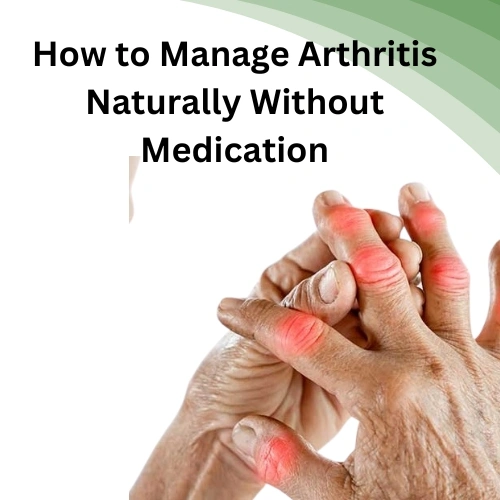
How to Manage Arthritis Naturally Without Medication
Arthritis is a common condition that affects millions of people worldwide. It is characterized by joint inflammation, pain, and stiffness, making everyday activities challenging. While conventional medicine offers various pharmaceutical treatments, many individuals seek natural alternatives to manage their symptoms. How to manage arthritis naturally without medication, with a special focus on Joint Support Herbal Supplement for Arthritis, as well as pain relief and joint soreness techniques. Understanding Arthritis and Its Symptoms Arthritis encompasses a range of conditions affecting the joints. The two most common types are: Osteoarthritis (OA):A degenerative condition caused by wear and tear of the cartilage. Rheumatoid Arthritis (RA):An autoimmune disorder that leads to joint inflammation and damage. Common symptoms include: Persistent joint pain and soreness Stiffness and reduced mobility Swelling and tenderness around the joints Fatigue and general discomfort Now, let’s explore natural ways to manage arthritis symptoms effectively without relying on medication. The Role of Diet in Arthritis Management A balanced diet plays a crucial role in managing arthritis symptoms naturally. Nutrient-dense foods can help reduce inflammation and promote joint health. Anti-Inflammatory Foods Incorporating the following foods can help with pain relief and joint soreness: Fatty fish (salmon, mackerel, sardines):Rich in omega-3 fatty acids, which have powerful anti-inflammatory properties. Leafy greens (kale, spinach, collards):High in antioxidants and essential nutrients. Berries (blueberries, strawberries, blackberries):Contain antioxidants that combat inflammation. Nuts and seeds (almonds, flaxseeds, chia seeds):Provide healthy fats and vitamin E for joint health. Turmeric:Contains curcumin, a potent anti-inflammatory compound. Ginger:Known for its pain-relieving properties and ability to reduce swelling. Foods to Avoid Some foods can worsen arthritis symptoms and should be avoided or consumed in moderation: Processed foods high in refined sugars and artificial additives. Red meat and dairy products that contain inflammatory compounds. Excessive alcohol and caffeine consumption, which can contribute to dehydration and joint stiffness. Herbal Supplements for Arthritis Many Best Herbal Supplements Products and Natural Remedies can effectively support joint health and relieve arthritis symptoms. Below are some of the best herbal supplements for arthritis: 1. Turmeric (Curcumin) Turmeric is one of the most powerful herbal supplements for arthritis due to its anti-inflammatory effects. Curcumin, the active compound in turmeric, helps reduce joint pain and stiffness. How to Use: Take a turmeric supplement with black pepper (piperine) for better absorption. Add turmeric powder to teas, smoothies, or meals. 2. Ginger Extract Ginger has anti-inflammatory and analgesic properties that can help alleviate pain relief and joint soreness. How to Use: Drink ginger tea daily. Use ginger extract supplements or fresh ginger in meals. 3. Boswellia (Indian Frankincense) Boswellia is a natural anti-inflammatory herb that helps reduce swelling and improve mobility in arthritis patients. How to Use: Take Boswellia supplements as directed. Use Boswellia resin in herbal teas. 4. Devil’s Claw Devil’s Claw is a well-known herb for pain relief and joint soreness. It is particularly effective for osteoarthritis and rheumatoid arthritis. How to Use: Take it in capsule or tea form. Apply as a topical ointment for localized relief. 5. Willow Bark Willow bark contains salicin, a natural compound similar to aspirin, making it an excellent choice for managing arthritis pain. How to Use: Drink willow bark tea or take supplements. Use as a topical rub. 6. Stinging Nettle Stinging nettle has anti-inflammatory and pain-relieving properties that benefit arthritis sufferers. How to Use: Drink stinging nettle tea. Take it as a supplement. Natural Therapies for Arthritis Relief In addition to herbal supplements for arthritis, various natural therapies can help with pain relief and joint soreness. 1. Exercise and Movement Engaging in low-impact exercises can strengthen the muscles around the joints, improving mobility and reducing stiffness. Best Exercises for Arthritis: Walking Swimming Yoga Tai Chi Stretching exercises 2. Heat and Cold Therapy Applying heat and cold can help reduce arthritis pain and inflammation. Heat therapy:Use a warm compress or heating pad to relax muscles and increase blood flow. Cold therapy:Apply an ice pack to reduce swelling and numb the pain. 3. Acupuncture Acupuncture is a traditional Chinese medicine technique that stimulates specific points in the body to relieve pain and restore balance. 4. Massage Therapy Gentle massages can help reduce tension, increase circulation, and improve joint function. 5. Essential Oils for Arthritis Essential oils like eucalyptus, peppermint, and lavender have soothing properties that provide pain relief and joint soreness relief. Lifestyle Changes for Managing Arthritis 1. Maintain a Healthy Weight Excess weight puts pressure on joints, exacerbating arthritis symptoms. A healthy diet and regular exercise can help manage weight effectively. 2. Stay Hydrated Drinking plenty of water keeps joints lubricated and reduces stiffness. 3. Get Quality Sleep Poor sleep can worsen arthritis pain. Establish a bedtime routine, avoid screens before bed, and create a comfortable sleeping environment. 4. Reduce Stress Chronic stress can contribute to inflammation and pain. Practice stress-relieving activities such as meditation, deep breathing, and spending time in nature. 5. Avoid Smoking and Alcohol Smoking and excessive alcohol consumption can increase inflammation and worsen arthritis symptoms. Conclusion Managing arthritis naturally without medication is possible through a combination of lifestyle changes, diet modifications, and herbal supplements for arthritis. By incorporating anti-inflammatory foods, engaging in regular exercise, and using natural therapies such as acupuncture and massage, individuals can find effective pain relief and joint soreness reduction. With the right approach, arthritis sufferers can improve their quality of life and maintain mobility without relying on pharmaceutical drugs. Always consult with a healthcare provider before making any significant changes to your treatment plan, especially when incorporating herbal supplements.

Natural Ways to Manage Symptoms with Achalasia Remedies for Better Daily Comfort
Natural ways to manage achalasia can help people make everyday meals more comfortable, maintain better nutrition and cope with swallowing difficulties. Achalasia is a rare disorder of the oesophagus, the muscular tube that carries food from the mouth to the stomach. It occurs when the lower oesophageal sphincter does not relax properly and the oesophagus loses its normal ability to move food downwards. Living with achalasia can affect eating, sleeping, social activities and confidence around food. Although natural approaches cannot cure the condition or repair the affected nerves, practical changes may help reduce discomfort and support daily wellbeing. Medical assessment remains essential because untreated achalasia can cause food retention, regurgitation, weight loss and other complications. This guide explains what the condition involves, which home strategies may help, how to protect nutrition and when professional treatment is necessary. What Is Achalasia and Why Does It Affect Daily Comfort? Achalasia develops when the nerves responsible for coordinating oesophageal movement become damaged or stop functioning normally. As a result, food and liquids may struggle to pass into the stomach. The condition can cause several symptoms, including: Difficulty swallowing solid food or liquids. A feeling that food becomes stuck in the chest. Regurgitation of undigested food or liquid. Chest discomfort or pain. Coughing, particularly at night. Heartburn-like sensations. Unintentional weight loss. Symptoms vary between individuals. Some people struggle mainly with solid foods, while others experience difficulty swallowing both food and drinks. Symptoms may gradually worsen, making early diagnosis important. Why Everyday Habits Matter Eating is not simply a source of nutrition. It is also part of family life, work routines and social relationships. When swallowing becomes uncomfortable, people may eat less, avoid restaurants or feel anxious about meals. Natural ways to manage achalasia focus on making eating safer and more manageable while helping people maintain hydration, energy and quality of life. These measures should complement, rather than replace, medical care. 1. Adjust Food Texture to Make Swallowing Easier Food consistency can influence how comfortably a person with achalasia eats. Dry, tough or bulky foods may be harder to swallow than moist, soft alternatives. Choose Softer, Moist Meals Consider foods such as: Soft-cooked vegetables. Smooth soups and broths. Porridge or well-cooked cereal. Mashed potatoes. Soft scrambled eggs. Moist fish or tender, finely prepared meat. Smooth yoghurt, where tolerated. These foods may be easier to manage, but individual responses differ. A food that feels comfortable for one person may cause problems for another. Add suitable liquid or sauce to meals when this improves texture. Avoid forcing down food that feels stuck, and do not continue eating through significant pain or difficulty. Identify Problematic Foods Dry bread, tough meat, sticky foods and coarse textures can be troublesome for some people. Rather than eliminating entire food groups unnecessarily, keep a simple record of meals and symptoms. This record can help identify personal triggers and support discussions with a dietitian or gastroenterologist. 2. Eat Slowly and Take Smaller Bites Eating quickly can make swallowing difficulties more stressful. Smaller portions and a relaxed pace give you more opportunities to notice discomfort before it becomes severe. Try the following habits: Cut food into small pieces. Chew thoroughly before swallowing. Take one bite at a time. Put your utensils down between bites. Pause when you feel pressure or discomfort. Allow enough time for meals instead of rushing. Avoid talking while actively swallowing if it distracts you from eating carefully. If food repeatedly feels lodged in your chest, stop the meal and seek medical advice rather than attempting to push it through with more food. Does Eating Slowly Cure Achalasia? No. Eating slowly does not restore normal oesophageal movement or make the lower sphincter relax. However, careful eating may improve comfort and help some people manage meals more confidently. The aim is to make eating more manageable without overlooking persistent or worsening symptoms. 3. Find a Comfortable Drinking Routine Adequate fluid intake supports general health, but achalasia can make drinking difficult for some people. Water does not always pass through the oesophagus easily, and repeatedly forcing liquids down may increase discomfort. Some individuals find that small sips alongside food help, while others prefer separating drinks from meals. There is no single drinking method suitable for everyone. Consider these practical measures: Take small, comfortable sips rather than large gulps. Choose drinks at a temperature you tolerate well. Notice whether particular beverages increase discomfort. Spread fluid intake throughout the day if this is easier. Discuss swallowing difficulties with a clinician if hydration becomes challenging. Do not force yourself to drink large quantities to clear trapped food. If you cannot swallow liquids or saliva, seek urgent medical assessment. People who frequently regurgitate liquids or struggle to maintain hydration may need professional evaluation and an individualised fluid plan. 4. Stay Upright During and After Meals Body position may influence how easily retained food or liquid moves and whether it returns towards the throat. Remaining upright during meals is a useful precaution for many people with swallowing problems. Sit comfortably with your torso upright, keeping your head and neck in a natural position. Avoid eating while lying down or reclining deeply on a sofa. After meals, remain upright for around two to three hours, particularly if regurgitation or nighttime symptoms are common. This measure may reduce reflux-like discomfort for some people, although it cannot prevent every episode. Improve Your Sleeping Position Nighttime regurgitation can disturb sleep and increase the risk of inhaling material into the airways. If symptoms occur while lying flat, ask your clinician whether raising the head of your bed or using a suitable wedge is appropriate. Simply adding several pillows may bend the body at the waist rather than raising the upper torso effectively. If you regularly wake coughing, choking or struggling to breathe, arrange prompt medical assessment. Recurrent nighttime symptoms deserve attention because material entering the airways can cause complications. 5. Maintain Nutrition and a Healthy Weight Achalasia can reduce food intake because meals become tiring, uncomfortable or prolonged. Some people unintentionally lose