
Physics can be challenging for students because it combines mathematical calculations, scientific principles, abstract concepts, and practical applications. From understanding forces and motion to solving electricity problems and exploring waves, students need time to develop a clear understanding of each topic. When lessons move too quickly, or explanations do not match a student’s learning style, even simple concepts can become difficult to understand. Personalised physics tutoring provides a more flexible approach to learning by adapting lessons to individual abilities, academic goals, and areas of difficulty. Instead of following the same pace as an entire classroom, students receive focused support that helps them build knowledge step by step. With guidance from experienced tutors, they can ask questions, practise challenging problems, and revisit topics until they feel confident. At Unicall Academy, we recognise that every student learns differently. Our approach to online learning focuses on individual progress, clear explanations, and structured practice. By working with physics tutors online, students can strengthen their understanding, develop independent problem-solving skills, and prepare more effectively for school assessments and examinations. What Is Personalised Physics Tutoring? Personalised physics tutoring is an educational approach in which lessons are adapted to a student’s existing knowledge, learning speed, and academic requirements. Rather than teaching every student in exactly the same way, a tutor identifies specific strengths and weaknesses before developing a suitable learning plan. For example, one student may understand Newton’s laws quickly but struggle with applying equations to unfamiliar questions. Another may find electricity and circuits confusing while performing well in topics related to motion. Personalised tuition allows both students to receive support that addresses their individual needs. We focus on explaining concepts in manageable stages, connecting mathematical equations with real-world situations, and providing opportunities for regular practice. This approach helps students understand not only which formula to use but also why it works and when it should be applied. Personalised learning can benefit students across different stages of education, including those studying introductory physics, GCSE Physics, A Level Physics, or other relevant science qualifications. How Can Physics Tutors Online Help Students Learn at Their Own Pace? Online tutoring creates opportunities for students to receive individual attention without the pressure of keeping up with an entire classroom. Lessons can focus on specific concepts, and tutors can adjust the pace according to how confidently a student applies what they have learned. 1. Lessons Adapted to Individual Learning Speeds Every student develops an understanding of physics at a different rate. Some may grasp equations and numerical problems quickly, while others need additional explanations and examples before they can apply the same principles independently. Personalised tuition allows students to spend more time on difficult topics without feeling that they are falling behind. If a student struggles to understand acceleration, for example, we can revisit the relationship between distance, time, and velocity before introducing more complex calculations. Similarly, students who understand the fundamentals can progress towards challenging questions instead of repeating material they already know. This flexibility helps create a more productive learning experience in which lessons reflect actual progress rather than an inflexible timetable. 2. Clear Explanations of Complex Physics Concepts Physics includes many concepts that are difficult to visualise through written explanations alone. Electricity, magnetic fields, energy transfer, and wave behaviour can seem abstract when students encounter them for the first time. We break complex ideas into smaller, understandable sections and use diagrams, worked examples, illustrations, and practical comparisons where appropriate. For instance, explaining electrical circuits through current, potential difference, and resistance can help students understand how these quantities relate to one another. When working with physics tutors online, students can also revisit explanations, discuss confusing steps, and practise similar questions until the underlying principles become clearer. The goal is to develop genuine understanding rather than memorisation. When students understand the reasoning behind a scientific principle, they are better prepared to apply it to unfamiliar problems. 3. Focused Support for Weak Areas A student may perform well in some areas of physics while experiencing difficulties with others. Studying every topic for the same amount of time can therefore be inefficient. Personalised lessons help identify specific knowledge gaps. A tutor might discover that a student struggles with rearranging equations, converting units, interpreting graphs, or selecting the correct formula for a numerical problem. Addressing these underlying difficulties can improve performance across multiple topics. For example, developing confidence in algebra can make calculations involving speed, acceleration, force, and electrical resistance easier to manage. We encourage students to work systematically through their weaknesses, beginning with foundational knowledge before progressing to more advanced applications. This structured approach helps prevent small misunderstandings from becoming larger obstacles later. Why Is Learning at Your Own Pace Important in Physics? Building Strong Foundations Before Moving Forward Physics topics often depend on previously learned principles. Students need to understand basic measurements and motion before tackling more demanding mechanics questions. Similarly, knowledge of electrical quantities provides an important foundation for understanding circuit behaviour. When students move forward without mastering these fundamentals, they may struggle to connect new information with existing knowledge. Personalised tutoring gives them time to strengthen these foundations before progressing. We help students revisit earlier concepts when necessary and connect them with the topics they are currently studying. This reinforces understanding and creates a more logical progression through the syllabus. Reducing Pressure and Improving Confidence Students can lose confidence when they repeatedly encounter questions they cannot solve. They may begin to believe that physics is beyond their abilities, even when the real problem is an unclear explanation or an incomplete understanding of one essential concept. Learning at an appropriate pace can reduce this pressure. Students have opportunities to ask questions, correct mistakes, and practise without feeling embarrassed about needing additional help. As their understanding improves, they can approach unfamiliar problems with greater confidence. Small achievements, such as solving an equation independently or explaining a scientific principle correctly, help demonstrate that progress is possible through consistent effort. We aim to create a supportive learning environment in which mistakes become opportunities
How Distribution Management Software Improves Fundraising Pipeline Visibility
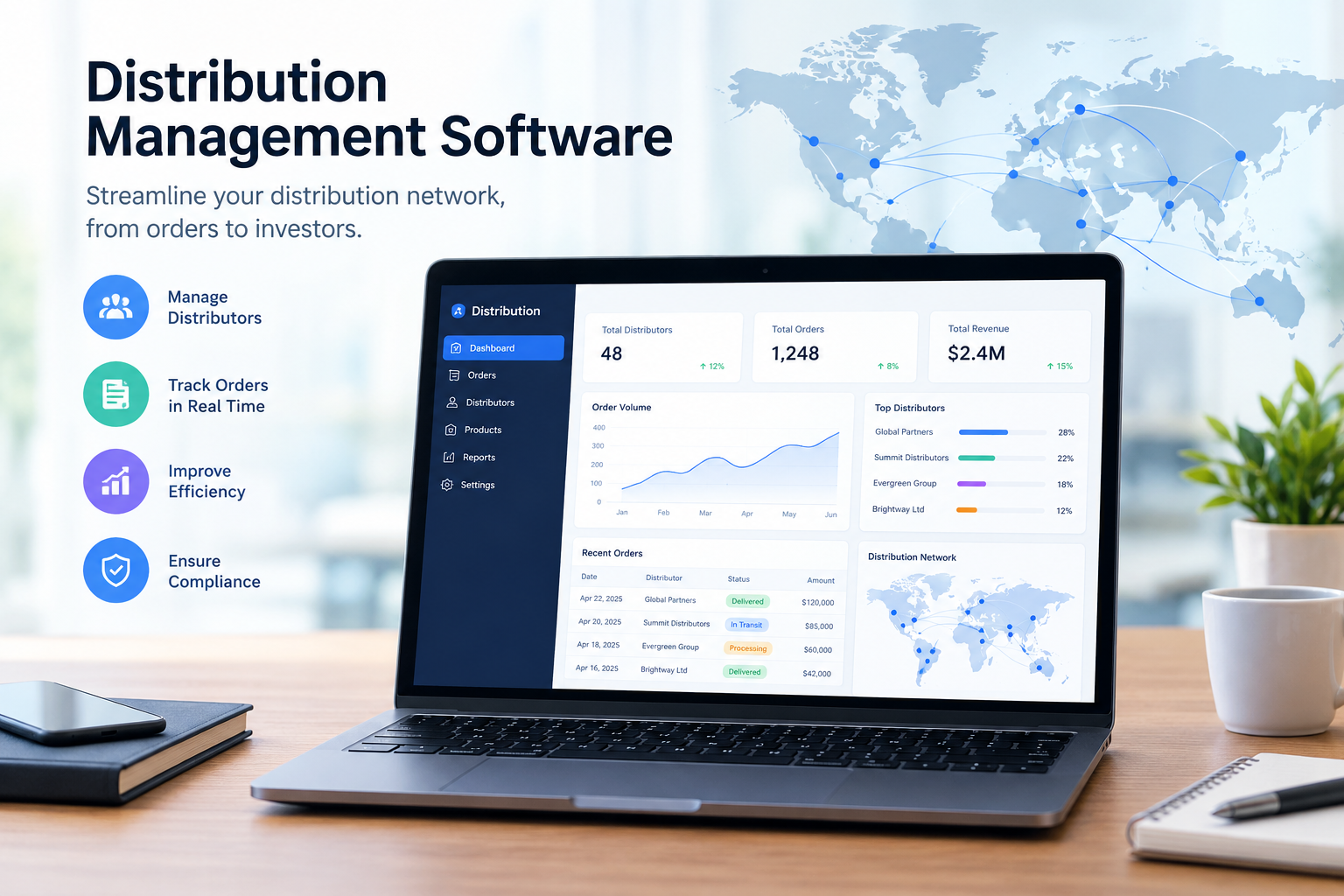
Fundraising is a critical part of managing alternative investments, private equity funds, venture capital funds, and private credit strategies. However, tracking investor interest, managing communications, monitoring commitments, and identifying potential opportunities can become increasingly complicated as fundraising activities expand. Without a centralized system, fund managers may struggle to understand where each investor stands, which opportunities require follow-up, and how much capital they can realistically expect to raise. The Distribution management software helps investment firms organize fundraising activities, centralize investor information, and gain better visibility into their fundraising pipelines. By providing a clearer picture of investor engagement and fundraising progress, this technology enables teams to make informed decisions, improve coordination, and manage capital-raising activities more efficiently. What Is Fundraising Pipeline Visibility? Fundraising pipeline visibility refers to a firm’s ability to monitor and understand every stage of its fundraising process. It includes tracking prospective investors, reviewing ongoing discussions, monitoring due diligence, evaluating commitment progress, and identifying the next steps required to move opportunities forward. For alternative investment firms, the fundraising pipeline may include family offices, institutional investors, pension funds, endowments, wealth managers, and high-net-worth individuals. Each investor may have different investment criteria, approval processes, timelines, and communication preferences. Without accurate pipeline visibility, fund managers may find it difficult to determine which prospects are most likely to invest or whether a fundraising campaign is progressing toward its target. Distribution management software addresses these challenges by bringing relevant fundraising information into a centralized environment. Instead of relying on disconnected spreadsheets, email conversations, and manually updated reports, teams can access a more consistent view of investor relationships and fundraising opportunities. 1. Centralizes Investor and Fundraising Information One of the primary ways distribution management software improves pipeline visibility is by consolidating investor information in one place. Fundraising teams often manage large volumes of data, including investor contact details, meeting notes, investment preferences, communication histories, due diligence requests, and potential commitment amounts. When this information is scattered across multiple systems, it becomes difficult to maintain an accurate overview of each opportunity. A centralized platform allows teams to organize investor profiles and associate relevant interactions with specific fundraising initiatives. Team members can review previous conversations, understand investor interests, and identify outstanding tasks without searching through multiple applications. This centralized approach also helps reduce duplicate records and inconsistent updates. When authorized team members work from the same information, they can coordinate more effectively and maintain a clearer understanding of the fundraising pipeline. 2. Tracks Investors Across Every Fundraising Stage Fundraising opportunities typically progress through several stages, from initial outreach to investor qualification, introductory meetings, due diligence, investment approval, and final commitment. However, not every investor follows the same path. Some prospects may move quickly, while others require additional discussions, documentation, or internal approvals before making a decision. Distribution management software enables firms to define and monitor fundraising stages according to their investment processes. Each investor opportunity can be associated with a current stage, relevant activity, expected next step, and other useful information. This makes it easier for fundraising teams to identify where opportunities are progressing and where they are becoming inactive. For example, a fund manager may discover that several qualified investors have completed introductory meetings but have not advanced to due diligence. That insight can help the team investigate potential barriers, arrange follow-up discussions, or provide additional investment materials. By making the status of each opportunity easier to understand, distribution management software supports more proactive pipeline management. 3. Improves Forecasting and Capital-Raising Decisions Understanding the amount of capital being pursued is important, but knowing how much capital may realistically be committed is equally valuable. A fundraising pipeline may contain dozens of prospective investors with different levels of interest and varying probabilities of investing. Simply adding their potential commitment amounts together can produce an overly optimistic fundraising forecast. Distribution management software can help firms organize expected commitment amounts, track progress, and compare pipeline opportunities against fundraising targets. Depending on the platform’s capabilities, teams may also use stage-based probabilities or other forecasting methods to estimate potential outcomes. These insights help fund managers evaluate whether their fundraising activities are on track and determine where additional attention may be needed. For instance, if a fund is approaching a fundraising deadline but has limited capital progressing through advanced stages, leadership can identify the gap earlier. The team may then prioritize qualified prospects, strengthen investor engagement, or adjust its fundraising strategy. Reliable pipeline data does not guarantee an accurate forecast, but it provides a stronger foundation for making informed capital-raising decisions. 4. Identifies Bottlenecks and Stalled Opportunities Not every fundraising opportunity progresses at the expected pace. Investors may delay internal approvals, request additional information, raise concerns during due diligence, or temporarily deprioritize new investments. When these delays are difficult to identify, fundraising teams may continue investing time in opportunities without understanding what is preventing progress. Distribution management software can help highlight stalled opportunities through stage tracking, activity histories, outstanding tasks, and follow-up reminders. Some platforms also provide dashboards or reporting features that reveal where opportunities spend the most time. For example, a firm might notice that many prospects remain in the due diligence stage longer than expected. By examining the available records, the team may identify recurring issues, such as incomplete documentation or delayed responses to investor questions. Recognizing these patterns helps investment professionals address operational problems before they affect broader fundraising objectives. Over time, analyzing pipeline bottlenecks can also help firms refine their fundraising processes, improve internal accountability, and establish more realistic timelines. 5. Strengthens Collaboration Across Fundraising Teams Fundraising frequently involves multiple professionals, including investor relations teams, fund managers, distribution specialists, compliance personnel, and senior leadership. When team members maintain separate records, important information may not reach the people who need it. An investor could receive repeated requests, a follow-up could be overlooked, or leadership could make decisions using outdated pipeline information. Distribution management software supports collaboration by providing shared access to relevant investor records, activity histories, opportunity stages, and assigned responsibilities. For example, an investor relations professional can document a

What Are the Most Popular Skin Health Treatments in Beverly Hills?
Healthy, radiant skin starts with understanding your skin’s needs and choosing treatments that address your specific concerns. From acne and uneven pigmentation to fine lines, dehydration, and sun damage, professional skincare offers several options for improving the appearance and condition of the skin. In Beverly Hills, individuals can explore a variety of treatments designed to support smoother texture, a more even complexion, and long-term skin wellness. The most suitable option depends on your skin type, medical history, lifestyle, and desired results. Understanding the most popular skin health treatments can help you make informed decisions and develop a skincare routine that supports your goals. 1. HydraFacial for Cleansing and Hydration HydraFacial is a popular choice for people looking to refresh their complexion without significant downtime. As one of the options available through Skin Health Treatments in Beverly Hills, this treatment typically combines cleansing, exfoliation, pore cleansing, and the application of hydrating skincare ingredients. It may help improve the appearance of dullness, mild congestion, and dehydration, leaving the skin looking smoother and more refreshed. HydraFacial can be a useful addition to a regular skincare routine, especially for individuals who want a gentle treatment before a special event. However, results are generally temporary, and the treatment does not replace medical care for persistent acne or other skin conditions. 2. Chemical Peels for Skin Texture and Tone Chemical peels use selected acids to exfoliate the skin and encourage surface-cell renewal. Depending on their strength and formulation, they may help improve uneven pigmentation, mild acne marks, clogged pores, rough texture, and certain signs of sun damage. Superficial peels generally require less recovery time than deeper peels. More intensive treatments can involve peeling, redness, and a greater risk of complications. The right peel depends on the individual’s skin type, sensitivity, and specific concern. Professional guidance is particularly important for people prone to hyperpigmentation, as irritation from an unsuitable peel can worsen discoloration. 3. Microneedling for Acne Scars and Fine Lines Microneedling is a professional procedure that uses fine needles to create controlled micro-injuries in the skin. This process activates the body’s natural healing response and may stimulate collagen production. It is commonly considered for certain acne scars, fine lines, and uneven skin texture. Improvements develop gradually, and multiple sessions may be recommended depending on the severity of the concern. Temporary redness, swelling, and sensitivity are possible after treatment. Microneedling should be performed by an appropriately qualified professional using sterile equipment, and it may not be suitable for people with active skin infections or certain inflammatory conditions. 4. Laser Skin Rejuvenation Laser treatments use concentrated light energy to address selected skin concerns. Depending on the technology, they may help improve the appearance of sun spots, uneven pigmentation, fine lines, redness, and certain acne scars. Different lasers target different concerns, so the appropriate procedure depends on the patient’s skin condition, skin tone, and recovery preferences. Although laser treatments can provide noticeable improvements for some people, they also carry risks, including burns, scarring, and unwanted pigmentation changes. A qualified medical professional should assess the skin and explain the benefits, risks, and expected recovery before treatment. 5. Treatments for Hyperpigmentation and Dark Spots Uneven pigmentation is a common concern among people seeking a clearer complexion. Dark spots may develop because of sun exposure, hormonal changes, acne-related inflammation, or other skin conditions. Depending on the cause, treatment may involve topical ingredients such as vitamin C, azelaic acid, or retinoids, as well as selected chemical peels or laser procedures. Melasma requires particular care because it can recur and may worsen with heat, irritation, or inappropriate treatments. Identifying the cause of discoloration is essential before selecting a treatment plan. Daily broad-spectrum sunscreen with SPF 30 or higher also plays an important role in preventing additional sun-related pigmentation. 6. LED Light Therapy for Selected Skin Concerns LED light therapy uses specific wavelengths of light as part of a professional skincare routine. Blue-light treatments may help with certain acne concerns, while red-light therapy is commonly used in skin-rejuvenation settings. Depending on the device and protocol, LED therapy may be used alone or alongside other treatments. Multiple sessions may be needed, and the degree of improvement varies. It is important to understand that LED therapy is not a universal solution for acne, wrinkles, or pigmentation. A qualified provider can explain whether the treatment is appropriate for your particular concern. 7. Customized Medical-Grade Facials Customized facials are tailored to the individual’s skin type and current concerns. Depending on the treatment plan, they may include cleansing, gentle exfoliation, extractions, masks, and moisturizing products. These treatments can support skin hydration and help improve the appearance of mild congestion and dullness. They may also complement a broader skincare plan for people who want regular professional maintenance. Individuals with sensitive skin, active inflammatory acne, or conditions such as rosacea should discuss their skin history before undergoing exfoliation or extractions. How to Choose the Right Skin Health Treatment Choosing a treatment begins with identifying the concern you want to address. A facial designed for hydration may not provide the same benefits as a procedure intended to improve acne scars or sun damage. Before booking a treatment, consider these factors: Your skin type: Dry, oily, combination, and sensitive skin may respond differently to products and procedures. Your primary concern: Determine whether your goal is to address acne, pigmentation, rough texture, dehydration, or visible signs of aging. Recovery time: Ask whether the procedure involves redness, peeling, swelling, or restrictions on normal activities. Provider qualifications: Choose a professional with the appropriate training and experience for the treatment. Long-term maintenance: Find out whether multiple sessions, home-care products, or follow-up appointments may be needed. A personalized consultation can help determine which options are appropriate and reduce the risk of unnecessary treatments or irritation. How to Maintain Your Results Professional procedures work best when supported by consistent daily skincare. Gentle cleansing, regular moisturizing, and sun protection can help maintain the skin barrier and reduce additional damage. Use broad-spectrum sunscreen with SPF 30 or higher every day, and

How B2B Appointment Setting Services Connect Sales Teams With Decision-Makers
Connecting with the right decision-makers is one of the biggest challenges in B2B sales. Businesses may offer valuable products or services, but reaching the people responsible for evaluating solutions and approving purchases requires targeted research, effective communication, and consistent follow-up. Without a clear prospecting strategy, sales representatives can spend hours contacting individuals who have little influence over purchasing decisions. B2B appointment setting services help businesses overcome this challenge by identifying relevant prospects, engaging key stakeholders, qualifying potential opportunities, and scheduling meetings with decision-makers. This process allows sales teams to focus on meaningful conversations instead of spending most of their time searching for suitable contacts. For companies targeting enterprise customers, financial institutions, technology providers, or professional services organizations, a structured appointment-setting strategy can improve prospect engagement and create more opportunities for business growth. What Are B2B Appointment Setting Services? B2B appointment setting services help businesses connect with potential customers and arrange meetings between qualified prospects and sales representatives. The process typically includes identifying target companies, researching relevant contacts, conducting outreach, assessing prospect suitability, and coordinating sales meetings. Unlike general lead generation, which may focus on collecting contact details or attracting inquiries, appointment setting emphasizes creating direct conversations with people who may influence or make purchasing decisions. For example, a company offering enterprise sales consulting may need to connect with chief revenue officers, vice presidents of sales, or business development directors. Appointment setters identify relevant professionals, initiate conversations about their business challenges, and arrange meetings when there is a potential fit. This approach helps sales teams engage prospects with a clearer understanding of their roles, responsibilities, and potential needs. 1. Identifying the Right Decision-Makers The first step in connecting sales teams with decision-makers is understanding who influences purchasing decisions within target organizations. In B2B markets, the appropriate contact varies depending on the product or service. A technology provider may need to engage a chief information officer, while a sales training company may focus on sales directors or chief revenue officers. B2B appointment setting services help businesses identify relevant contacts based on factors such as: Job titles and seniority levels. Departmental responsibilities. Company size and industry. Business objectives and operational challenges. Purchasing authority and influence. Geographic location and target markets. This research helps sales teams avoid irrelevant outreach and focus on professionals whose responsibilities align with the proposed solution. Identifying the right contact also creates a better starting point for conversations because sales representatives can tailor their messaging to the prospect’s business priorities. 2. Researching Target Companies Before Outreach Effective appointment setting involves more than finding a decision-maker’s name and email address. Sales teams also need to understand the organization they are approaching. Company research can reveal business expansion plans, industry challenges, technology initiatives, hiring activity, or operational changes that may create relevant sales opportunities. For instance, a business offering recruitment services may prioritize organizations expanding into new markets or increasing their workforce. A software provider may focus on companies experiencing operational complexity as they grow. This information helps appointment setters develop more relevant outreach messages and explain why a conversation may be worthwhile. Research should rely on accurate, appropriately obtained information. Businesses should avoid making assumptions about a company’s needs based on limited data or presenting unverified claims as facts. When outreach reflects a genuine understanding of the prospect’s business, it becomes easier to establish relevance and encourage a response. 3. Using Personalized Outreach to Start Conversations Decision-makers receive numerous sales emails, phone calls, and professional messages. Generic communication often struggles to attract attention because it does not explain why the proposed solution matters to the recipient. B2B appointment setting services support personalized outreach by connecting the message to a prospect’s role, company objectives, or potential challenges. A well-structured outreach message generally includes a concise introduction, a relevant business issue, a clear explanation of potential value, and a straightforward invitation to meet. For example, an appointment setter contacting a vice president of sales might introduce a service designed to help B2B organizations improve prospect engagement and generate qualified sales conversations. The message should focus on the recipient’s business priorities rather than relying on broad claims about the provider. Personalization does not require a completely different message for every individual. Businesses can develop targeted messaging for specific industries, roles, and account types while ensuring that each communication remains relevant and accurate. 4. Qualifying Prospects Before Scheduling Meetings Reaching a decision-maker does not automatically mean that a sales opportunity exists. A prospect may have little interest in the offering, lack the necessary budget, or be unable to influence the purchasing process. Qualification helps determine whether a potential customer is worth pursuing before a meeting is scheduled. Depending on the business and sales cycle, appointment setters may assess: Whether the prospect’s organization fits the ideal customer profile. Whether the company has a relevant business need. Whether the contact influences purchasing decisions. Whether the solution aligns with current priorities. Whether there is a reasonable opportunity to explore the offering. For example, a provider of enterprise software may prioritize companies with an identifiable operational challenge and a relevant stakeholder willing to discuss potential solutions. Clear qualification criteria help sales teams spend more time on suitable prospects and reduce the number of meetings that fail to produce meaningful conversations. The criteria should be agreed upon by appointment setters and sales representatives so both teams share the same understanding of a qualified meeting. 5. Coordinating Meetings Around Decision-Makers’ Schedules Senior executives and department leaders often have demanding schedules. Even when a prospect is interested, arranging a suitable meeting can require multiple communications and careful coordination. Sales meeting scheduling simplifies this process by offering suitable meeting times, confirming participants, and sharing relevant details before the conversation. A professional scheduling process should establish the meeting’s purpose, confirm the date and time, provide joining instructions, and communicate any preparation requirements. Appointment setters can also coordinate meetings across different time zones and accommodate the availability of multiple stakeholders when necessary. These details may appear administrative, but they contribute to a smoother prospect

Enterprise Sales Training in Philadelphia for Selling to C-Suite Executives
Selling to C-suite executives requires a different approach from selling to department managers or operational teams. CEOs, CFOs, COOs, and other senior decision-makers focus on strategic priorities, financial outcomes, business risks, and long-term growth. Sales professionals who rely on generic pitches or product-focused conversations often struggle to earn executive attention and move complex deals forward. For businesses operating in Philadelphia’s competitive B2B market, developing these skills can make a meaningful difference in how sales teams engage enterprise buyers. Enterprise Sales Training in Philadelphia helps sales professionals strengthen executive communication, develop business acumen, navigate complex buying groups, and connect their solutions to measurable business objectives. With the right training, sales teams can move beyond pitching products and become trusted business partners who understand what matters most to senior decision-makers. In this guide, we explore how enterprise sales training can help Philadelphia businesses improve C-suite engagement, build stronger relationships, and increase the effectiveness of their enterprise sales process. Why Selling to C-Suite Executives Requires a Different Approach Senior executives make decisions based on the broader impact a solution can have on their organizations. While department managers may prioritize functionality or implementation details, C-suite leaders often evaluate how a proposed investment supports company-wide objectives. For example, a CFO may focus on financial returns, cost efficiency, and risk exposure. A COO may prioritize operational performance, while a CEO may be more concerned with competitive positioning and strategic growth. Sales professionals need to understand these different perspectives before presenting a solution. Effective executive selling requires several essential capabilities: Understanding business priorities and financial objectives Communicating value in terms of measurable outcomes Preparing relevant questions for executive conversations Building credibility through industry and account research Engaging multiple stakeholders throughout the buying process Establishing clear next steps and maintaining deal momentum Developing these skills helps sales representatives make conversations more relevant to executive priorities instead of relying on generic presentations. The Importance of Enterprise Sales Training in Philadelphia Philadelphia is home to businesses across healthcare, financial services, technology, life sciences, manufacturing, and professional services. Organizations selling into these industries often need to navigate complex buying processes involving multiple stakeholders and senior decision-makers. For B2B companies targeting enterprise accounts, the challenge is not simply getting a meeting. Sales professionals must demonstrate why an executive should invest time in the conversation and how a proposed solution connects to important business objectives. Specialized enterprise sales training helps teams develop a more strategic approach to prospecting, discovery, value communication, and negotiation. Improve Access to Senior Decision-Makers Reaching C-suite executives can be difficult when sales outreach looks similar to every other vendor message in their inbox. Generic emails and feature-focused pitches rarely communicate a compelling reason to engage. Training helps sales representatives research target accounts, identify relevant business challenges, and develop outreach that connects their solutions to executive priorities. Rather than simply requesting a meeting to demonstrate a product, representatives learn to explain why a conversation may be valuable to the executive’s business. Navigate Complex Enterprise Buying Groups Enterprise purchases frequently involve several decision-makers, influencers, and evaluators. Even when an executive supports a solution, the deal may stall if other stakeholders have unresolved concerns. Sales training helps representatives map the buying group, understand stakeholder responsibilities, and build relationships across the organization. This approach reduces dependence on a single contact and helps teams identify potential obstacles earlier in the sales process. Communicate Business Value More Effectively Executives need to understand why a solution matters financially or strategically. A presentation filled with product features may not provide enough information to support a significant business decision. Training helps representatives connect product capabilities to relevant outcomes, such as improving operational efficiency, reducing costs, supporting growth, or managing business risk. The goal is to build a credible business case using evidence and assumptions appropriate to the prospect’s situation. 7 Enterprise Sales Training Strategies for Selling to C-Suite Executives 1. Research Executive Priorities Before Every Meeting Effective executive selling begins before the first conversation. Sales representatives should understand the target organization’s business model, strategic objectives, industry conditions, and potential challenges. This preparation allows representatives to develop relevant questions and avoid wasting valuable meeting time on information that could have been researched beforehand. For example, a company expanding into new markets may be concerned with scalability, operational capacity, or competitive differentiation. A sales representative who understands these priorities can prepare a more relevant discussion. Training should teach teams how to research accounts, identify business signals, and connect those findings to their value proposition. The objective is not to assume that every executive has the same priorities. It is to arrive prepared to ask informed questions and understand the organization’s specific needs. 2. Develop Executive-Level Communication Skills C-suite executives typically have limited time and expect conversations to be focused, relevant, and productive. Sales representatives must communicate complex ideas clearly without overwhelming the audience with unnecessary detail. Executive-level communication involves more than sounding confident. It requires understanding the business context, asking thoughtful questions, and explaining why a particular issue deserves attention. Training should help sales professionals practice concise introductions, structured meeting agendas, active listening, and clear explanations of business value. Representatives should also learn to adapt their communication style to different executives. A CFO may want to understand financial assumptions, while a COO may ask more detailed questions about implementation and operational impact. The more effectively representatives connect their message to an executive’s priorities, the easier it becomes to establish a productive business conversation. 3. Master Consultative Selling and Discovery Consultative selling is especially important when working with senior decision-makers. Instead of immediately presenting a solution, sales professionals first explore the challenges, objectives, and constraints influencing the prospect’s decisions. Strong discovery questions help uncover the business problem behind an initial request. For example, a representative might ask: Which business priorities are most important to your organization this year? What challenges are preventing your team from achieving those objectives? How are these challenges affecting operational or financial performance? What would need to change for your organization to consider a new approach?