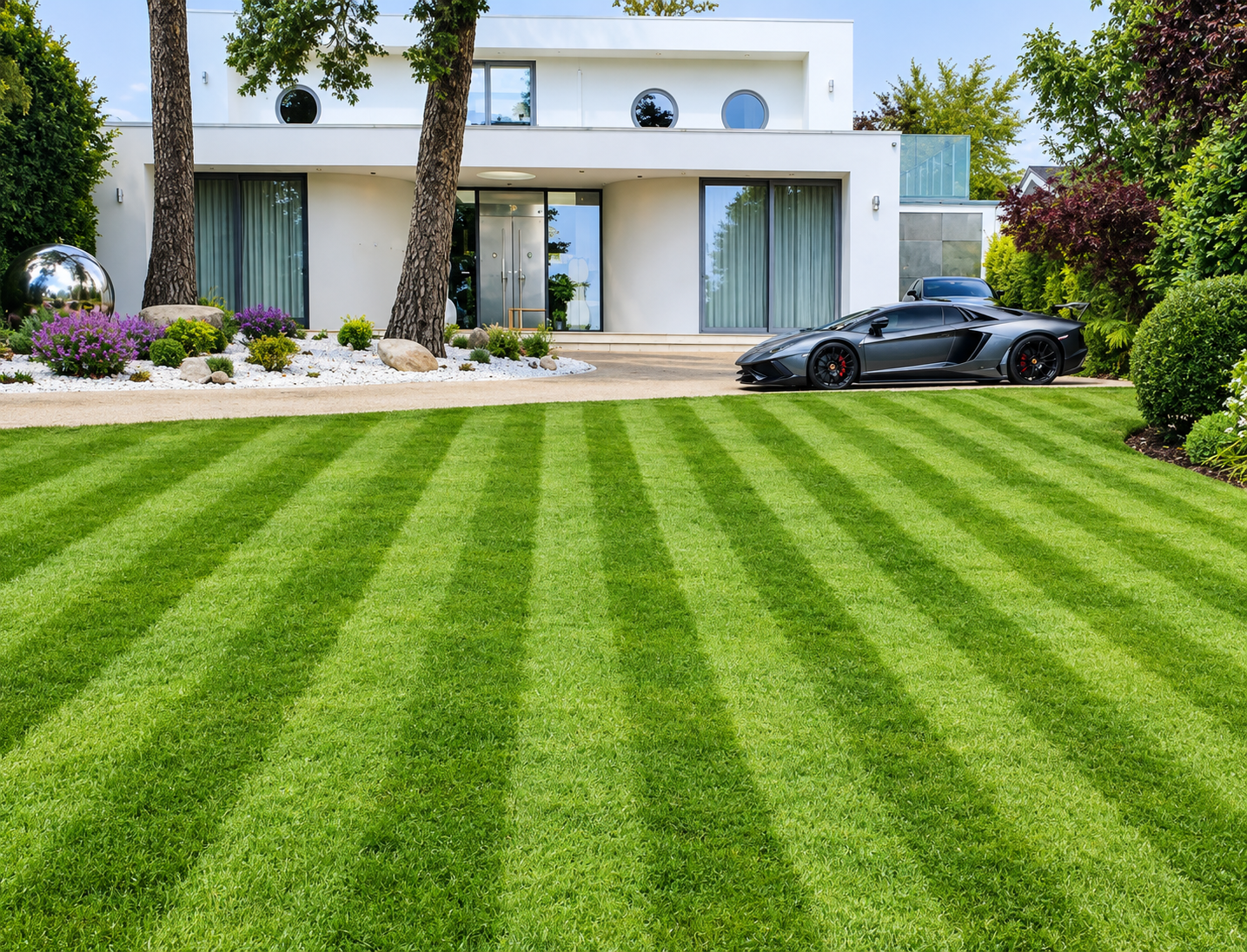
Most people think about their garden in bursts. A sunny weekend prompts a flurry of activity, then the borders are forgotten until the next warm spell. The gardens that look good all year are rarely the result of heroic effort. They come from doing things in a sensible order: clear what needs clearing, make the design decisions once, then keep up with regular care so the work never piles up again. This guide walks through that order for homeowners around Brookmans Park, Hadley Wood and the wider north London area. It is written to be useful whether you plan to do the work yourself or bring in professional help, and it covers the practical checks that are easy to miss until they cause a problem. Start With an Honest Assessment Before you hire anyone or buy a single plant, spend an hour walking the garden with a notebook. Look at it the way a stranger would, and be blunt about what you see. What to Note Down Light and shade. Which areas get sun in the morning, at midday and in the evening? A south-facing border and a damp, shaded corner need completely different planting, and mistakes here are expensive to fix later. Soil. Much of Hertfordshire and the northern fringe of London sits on heavy clay. It holds nutrients well but waterlogs in winter and cracks in summer. Digging in organic matter and mulching each year improves it steadily. Problem areas. Note boggy patches, failing fences, tired lawn, leaning trees and anything that blocks a path or gate. How you actually use the space. A garden for children, one for entertaining and one for quiet weekends call for different layouts, and the best designs start from daily habits rather than inspiration photos. This list becomes your brief, whoever ends up carrying out the work. It also makes quotations easier to compare, because every provider is responding to the same description. Step One: Clear the Ground If a garden has been neglected, nothing else should happen until it has been cleared. Planting or building over unchecked growth simply buries problems that will resurface within a season or two. Why Clearance Matters Overgrowth hides damage and drains energy from the plants worth keeping. A proper clearance cuts back or removes what is not wanted, reshapes borders and takes the waste away responsibly. For many mature plots it also reveals how much better the garden could look, because good structural planting has often been hiding under brambles and ivy for years. The garden clearance Brookmans Park plots need often involves larger gardens, long hedge lines and established trees that have outgrown their original positions. The garden clearance Hadley Wood homes need is frequently similar, with long-neglected rear gardens and mature planting behind period houses. In both places the volume of green waste can surprise people, so it is worth planning for it from the start. Four Checks Before Any Cutting Starts Tree protection. Some streets in Hadley Wood sit within a conservation area, and individual trees anywhere can carry a Tree Preservation Order. Your local council can confirm the position, and permission may be needed before significant pruning or felling. Nesting birds. Avoid heavy hedge and tree work from roughly March to August, and check dense growth before cutting. Nesting birds are protected by law. Waste. In England, householders have a duty of care to make sure their waste is taken by a registered waste carrier. Ask to see proof, because fly-tipped waste can be traced back to the person who produced it. Suspect weeds. If you think you have Japanese knotweed, do not cut or dig it. Seek specialist advice first, as strict rules apply to its disposal. What a Good Clearance Includes A good clearance is more than cutting everything to the ground. Shrubs should be pruned at the right time and in the right way, since a spring-flowering shrub cut at the wrong moment can lose a whole season of blooms. Borders can be reshaped by lifting, reducing and cutting back perennials. Plants benefit from a feed afterwards so they recover well, and hard surfaces can be treated to slow weed regrowth. If you would rather hand this stage over, a residential garden clearance service can handle the pruning, feeding, weed treatment and green waste removal in one visit. Step Two: Make the Design Decisions Once With the ground clear, you can see the garden’s real shape. This is the moment to think about layout, and it is far cheaper to decide now than to rework things later. Why Good Design Starts on Paper Good landscape gardening London homeowners can enjoy for years starts on paper, not with a digger. A design stage settles the big questions before any work begins: Where will paths, patios and seating go, and which materials suit the house? Which boundaries need replacing or softening with planting? How will water drain, particularly on clay soil and sloping plots? What planting will thrive in the light and soil you actually have, rather than the plants you would like to have? Landscaping Brookmans Park gardens usually works best when it respects what is already there. Mature trees, established shrubs and good boundary hedges take decades to replace, so a design that builds around them tends to look more settled and often costs less than starting again. Keep Maintenance in Mind From the Start Every design choice affects the workload afterwards. A large lawn needs regular mowing and edging. Densely planted borders need weeding and feeding. Gravel areas need occasional treatment to stay tidy. None of these choices is wrong, but it helps to match the garden to the time and budget you realistically have. If you are weighing up a larger project, it is worth understanding how landscaping design and build typically moves from first sketch to finished space, so you know what decisions will be asked of you and when. Step Three: Keep It Looking Good A garden that has been cleared and designed