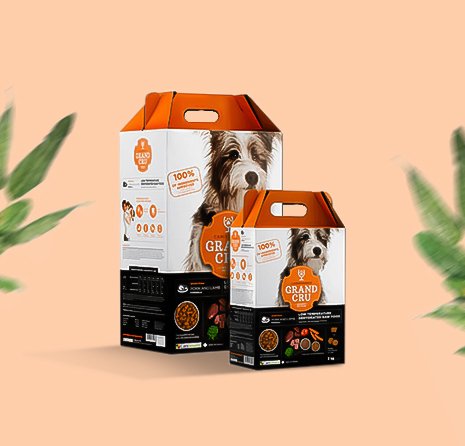
Pet products are often used over several days or weeks, which makes convenient packaging an important part of the customer experience. Dog treats, cat snacks, dry food, grooming wipes, and other pet supplies may need to be opened and closed repeatedly after purchase. Custom pet packaging with resealable closures gives customers a practical way to access these products while keeping the remaining contents contained between uses. The right closure depends on the product’s texture, quantity, storage requirements, and packaging material. A resealable pouch may work well for treats, while a box containing grooming accessories may need a different opening and closing system. By considering how pet owners use products at home, businesses can choose packaging that is easier to handle, store, and use throughout the product’s lifespan. Why Resealable Closures Matter for Pet Products Many pet products are not consumed or used all at once. A bag of training treats may be opened several times a day, while a larger pack of dry food may remain in use for weeks. Packaging that cannot be closed securely after opening may allow the contents to spill or become exposed to moisture and air. A resealable closure provides a way to close the package between uses, although its actual protective performance depends on the closure design and the packaging material. For pet owners, convenience also matters. A closure that opens without excessive force and can be closed again without complicated steps is easier to use during daily feeding routines. For brands, this means packaging decisions should account for repeated use rather than focusing only on the appearance of the unopened package. Choose the Right Resealable Closure Different closure systems serve different purposes. The best option depends on the product, package dimensions, frequency of use, and required level of containment. Press-to-Close Zippers Press-to-close zippers are common on flexible pouches used for pet treats and some dry food products. The two sides of the closure press together to close the opening and can be separated when the customer needs access. These closures can be useful for products that are opened frequently throughout the day. However, the zipper should be easy to align and operate, even when the package contains crumbs or small pieces of food near the opening. Slider Closures Slider closures use a small sliding component to open and close the package. They may be useful for certain larger pouches where customers want a closure that is easy to operate. The slider adds a component to the package, so businesses should consider its cost, durability, and compatibility with the selected packaging material. Resealable Adhesive Strips Some packages use an adhesive strip that allows the opening to be folded or pressed closed again. These systems may suit selected lightweight products, but repeated use and exposure to dust or product residue can affect their performance. They should be selected only when the closure can meet the product’s actual storage and handling needs. Reusable Containers and Lids Not every pet product needs a flexible pouch. Treats, grooming accessories, and other supplies may be sold in containers with reusable lids. This format can work well when customers need a rigid package that is easy to open and close. The choice should be based on the product’s requirements rather than assuming that one closure system will suit every pet packaging application. Custom Packaging for Dog and Cat Treats Pet treats are among the products that can benefit from resealable packaging. Customers may give several treats during training sessions or feed small portions throughout the day, leaving the rest of the pack for later. A resealable pouch can provide convenient access while helping contain the remaining treats. The package size should reflect the quantity being sold, the shape of the treats, and how frequently customers are likely to use them. For small training treats, a compact pouch may be easier to carry during walks or training sessions. Larger packs may need a wider opening that allows customers to reach the contents without spilling them. Treats with sharp edges or fragile shapes may also require packaging that resists punctures and protects the product during handling. A resealable closure cannot compensate for a pouch material that is unsuitable for the product. Consider Packaging Requirements for Dry Pet Food Dry pet food is often sold in bags ranging from small sample packs to large household quantities. The larger the package, the more important it becomes to consider opening access, closure operation, and storage convenience. A resealable food bag should allow customers to open the package without damaging the closure area. It should also provide enough room to remove food without repeatedly spilling pieces onto the floor. For heavier bags, closure strength and the integrity of the sealed edges require particular attention. A closure that works well on a small snack pouch may not be appropriate for a large bag of kibble. Businesses should also consider the food’s storage requirements. A resealable zipper may help close the opening, but it should not automatically be treated as an airtight or moisture-proof system. Those properties depend on the complete packaging structure and must be verified when they are important to product quality. Select Packaging Materials That Suit the Contents Resealable closures work as part of a complete packaging system. The pouch or bag material must be compatible with the product and the intended storage conditions. Flexible Laminated Packaging Multilayer flexible packaging can combine different material properties, such as printability, strength, and barriers against moisture or oxygen. The appropriate structure depends on the food and its expected shelf life. Businesses selling pet food should ask their packaging supplier which material specifications are suitable for the product and whether the closure works with the chosen laminate. Kraft-Style Pouches Kraft-style pouches provide a paper-based appearance that may suit natural or minimalist pet brands. Some use additional inner layers to provide the properties required for the contents. The exterior appearance alone does not indicate whether a pouch provides adequate protection. Confirm the full material structure and suitability for the