

Writing a dissertation can be exhausting. Between researching your topic, meeting deadlines, editing drafts and trying to make sense of academic feedback, it can sometimes feel like the only goal is to submit your work and graduate. But there’s more to a dissertation than earning a degree. The process can teach you how to solve problems, manage your time, evaluate information and explain your ideas clearly. These are skills you can take into the workplace, whether you want to work in publishing, education, business, research or another field. The real value comes from recognising what you’ve learned and knowing how to put those skills to use. Let’s look at how dissertation writing can benefit your career after graduation and how you can make that experience count when applying for jobs. Why Dissertation Writing Matters After Graduation A dissertation is often one of the biggest independent projects you’ll complete at university. You start with a question, explore what other researchers have said, gather and analyse information, and develop your own argument. That process has plenty in common with everyday work. A researcher might investigate a social issue, a marketing professional might study customer behaviour, and a communications officer might turn complicated information into a report. Each role requires people to ask questions, make sense of evidence and explain what they’ve found. Of course, completing a dissertation doesn’t automatically make you a stronger job candidate. What matters is how well you can explain the skills you’ve developed and connect them to the role you’re applying for. What do graduate employment figures tell us? The UK’s Higher Education Statistics Agency (HESA) publishes Graduate Outcomes data to show what graduates are doing after leaving university. Its 2023/24 Graduate Outcomes results reported that 87% of responding graduates were engaged in work or further study. The same release found that 85% of UK graduates considered their current activity meaningful. These figures don’t prove that dissertation writing leads to better employment outcomes. Many other factors affect a graduate’s career, including their degree subject, previous work experience and the availability of jobs. Still, the figures highlight an important point: preparing for life after university matters. Your dissertation can be one way to build skills that help you make that transition. 1. Developing Critical Thinking and Analytical Skills One of the biggest lessons you can take from dissertation writing is learning to look beyond the obvious answer. Research often brings you face to face with conflicting opinions, incomplete evidence and arguments that don’t quite hold up under closer examination. You have to decide which sources are reliable, compare different viewpoints and explain why you agree with one interpretation more than another. Over time, this helps you develop critical thinking skills that are useful well beyond academic study. How critical thinking helps at work Imagine you’re applying for a research assistant position. Your employer asks you to review several reports and identify the evidence that best supports a particular conclusion. If you’ve completed a dissertation, you’ve probably spent considerable time doing something similar. You know how to compare sources, question assumptions and build a conclusion around evidence rather than personal opinion. These abilities can be useful in several careers: Market research: Understanding trends and interpreting customer information. Journalism: Checking facts, evaluating sources and investigating different perspectives. Public policy: Reviewing evidence before making recommendations. Human resources: Assessing information to support workplace decisions. Consulting: Examining problems and identifying possible solutions. You don’t need to work in academic research to benefit from these skills. The important thing is being able to explain how you use evidence to reach a sensible conclusion. 2. Improving Research and Information Management A dissertation involves much more than finding a few useful articles online. You need to locate relevant material, judge its credibility, organise your notes and identify information that actually answers your research question. You also learn that not every source deserves equal attention. An authoritative study, a historical document and an unsupported online opinion may offer very different levels of evidence. This experience can help you become more confident when handling information in the workplace. Putting research skills to practical use Consider a humanities student researching how migration has been represented in historical writing. They might examine archival documents, academic publications and different historians’ interpretations before reaching a conclusion. That project can demonstrate the ability to: Find relevant primary and secondary sources. Assess the reliability and limitations of information. Compare different interpretations of the same issue. Organise research materials and references. Present findings in a clear, logical way. These skills may be useful in publishing, heritage organisations, communications, education and research-related roles. When describing your experience to an employer, avoid simply writing “good research skills” on your CV. Explain what you researched, which sources you evaluated and how you used the evidence to develop your argument. Specific examples make your abilities easier to understand and more convincing. 3. Building Stronger Written Communication Skills Even an excellent idea can lose its impact if it’s poorly explained. Dissertation writing teaches you to organise your thoughts, develop an argument and guide a reader through complex information without losing sight of your main point. You also become more familiar with editing, proofreading, referencing and choosing language appropriate to your audience. These habits can be valuable in jobs that involve writing reports, preparing presentations, drafting emails or creating online content. Where can strong writing take you? A humanities graduate who has spent months analysing literature might be well suited to exploring editorial work, publishing or content writing. Someone who has researched historical events could use similar skills to help develop educational resources or museum content. The subject of your dissertation doesn’t have to match your future job perfectly. Employers may be more interested in how you communicate, organise information and explain your reasoning. The UK’s Employability Skills Framework offers further guidance on workplace skills, including written communication and ways to develop them. One useful exercise is to explain your dissertation to a friend who studies a different subject. If you

How to Write Essays That Are Suitable for Academic Assessment
Writing an essay for university can feel challenging, especially when you know your work will be judged on more than just grammar and spelling. You need to understand the question, build a convincing argument, use reliable sources and explain your ideas clearly. Even if you know your subject well, putting everything together in a way that meets academic standards takes practice. My advice is to stop thinking of an essay as a long piece of writing that simply needs to reach a certain word count. Instead, think of it as an opportunity to show your assessor what you understand, how you interpret evidence and why your conclusions make sense. Once you approach an assignment this way, planning and writing become much more manageable. 1. Understand the Assignment Before You Start Writing One of the easiest mistakes to make is starting an essay before you have worked out what the question actually asks. You might spend hours researching interesting information, only to discover that much of it has little relevance to the assessment. Before opening a document and writing your introduction, read the assignment brief carefully. Look at the question, the marking criteria, the word limit and any instructions about referencing or formatting. These details will help you decide what to include and what to leave out. Pay attention to the question’s wording The instruction word often tells you what your lecturer expects. For example, an essay that asks you to analyse a topic requires something different from one that asks you to describe it. Analyse: Examine the different parts of a subject and explain how they relate. Evaluate: Assess the strengths and weaknesses of an idea, approach or argument. Discuss: Explore different perspectives and explain their significance. Compare and contrast: Identify important similarities and differences. Critically assess: Examine the available evidence, consider alternative interpretations and reach a reasoned judgement. Imagine that your assignment asks you to evaluate the benefits of online learning. Listing its advantages would only address part of the task. You would also need to consider its limitations, examine relevant research and explain whether the benefits outweigh the disadvantages in the context you are studying. Use the marking criteria as a guide Assessment rubrics often explain how marks are allocated for argument, evidence, organisation, critical thinking and academic style. Reading them early helps you understand where to focus your effort. The Harvard College Writing Center offers practical advice on developing arguments and structuring academic work. Its resources can help you understand the difference between simply presenting information and building a clear, defensible position. I recommend turning your own marking criteria into a short checklist. Keep it nearby while writing and return to it before submitting. That way, you are less likely to overlook an important requirement. 2. Research Carefully and Develop a Clear Argument Good research gives your essay substance, but collecting information is only the beginning. You need to decide which sources are useful, understand what they say and work out how they help answer your assignment question. Start with your university library, academic databases and peer-reviewed journals. Depending on your subject, government reports, official statistics and recognised professional organisations may also provide reliable evidence. Choose sources that deserve your trust Before using a source, ask yourself a few straightforward questions. Who wrote it? What evidence supports its claims? Is the information relevant to your question? Has the material been updated where necessary? For instance, an official statistical report may be appropriate for an essay about employment trends, while a peer-reviewed study may be more useful when examining the effects of a teaching method. A general blog post might provide background information, but it should not automatically carry the same weight as original research. Keep notes as you read. Record the author’s name, publication details, relevant page numbers and the main findings. Add a sentence explaining why each source matters to your argument. This simple habit can save considerable time when you begin writing and preparing your references. Write a thesis statement that gives your essay direction Your thesis statement is the central claim your essay will develop. It tells the reader what position you are taking and gives the rest of your discussion a clear purpose. Consider the difference between these two statements: Online learning has both advantages and disadvantages. Online learning can widen access to higher education, but its effectiveness depends on course design, student support and access to suitable technology. The first statement introduces a topic without saying much about it. The second establishes a position that you can investigate using evidence. Do not worry if your thesis changes as you research. Sometimes the evidence leads you towards a more balanced or more specific conclusion than you originally expected. That is part of the writing process. 3. Organise Your Essay Before Drafting A clear structure helps your reader follow your reasoning without having to work out how each point fits into the discussion. It also makes writing easier because you know what each section needs to achieve. Most essays use an introduction, a main body and a conclusion. The exact structure depends on the assignment, so follow your department’s guidance if it requires a particular format. Write an introduction that gets to the point Your introduction should provide enough background to establish the topic without overwhelming the reader with unnecessary detail. It should narrow the discussion towards the question and introduce your main argument. For a typical essay, you can include relevant context, explain the issue being examined, present your thesis and briefly indicate the main points you will discuss. Avoid opening with broad statements such as “Education has always been important to society” unless the statement genuinely helps establish your argument. A more focused opening usually gives the reader a clearer idea of what the essay will examine. Build body paragraphs around individual points Each paragraph should develop one main idea that contributes to your overall argument. A useful approach is to introduce the point, provide supporting evidence, explain what that evidence
How to Create Functions in MATLAB: A Beginner’s Guide
If you have started learning MATLAB, you have probably written a few lines of code to solve a mathematical problem or perform a calculation. That works well for small tasks, but what happens when you need to repeat the same calculation ten times or use it in a different program? This is where functions come in. A function lets you write a piece of code once and use it whenever you need it. It also makes your programs easier to read, test, and update. In this guide, I’ll explain how MATLAB functions work, show you how to create your own, and walk through a few examples you can try on your computer. What Is a Function in MATLAB? Think of a function as a small tool that performs a particular job. You give it some information, it processes that information, and it returns a result if one is needed. For example, imagine calculating the area of a rectangle several times. You could write the formula repeatedly, but that would make your code longer than necessary. Instead, you can create a function that accepts the length and width and calculates the area for you. MATLAB functions are useful when you want to: Reuse calculations without copying the same code. Divide a complicated problem into smaller steps. Make errors easier to find and fix. Keep mathematical formulas organised. Use the same calculation in different scripts or projects. There is an important difference between a script and a function. A script runs commands in the current workspace, while a function has its own workspace and receives information through its input arguments. If you want to explore this distinction further, MathWorks explains it in its official guide to scripts and functions. Understanding MATLAB Function Syntax Before writing your first function, it helps to understand how MATLAB expects the code to be structured. The syntax might look unfamiliar at first, but it becomes straightforward once you have used it a few times. Here is a simple example: function result = doubleNumber(x) result = x * 2; end Let’s break it down. function tells MATLAB that you are defining a function. result is the output variable that holds the answer. doubleNumber is the function’s name. x is the input argument. end marks the end of the function. When you call this function with the value 5, MATLAB multiplies the input by two and returns 10. The general structure is: function output = functionName(input) % Write your calculations here output = input; end You do not have to use exactly one input and one output every time. A function can accept several inputs, return multiple results, or work without inputs altogether. The official MATLAB function reference covers the different forms. For now, remember the basic idea: inputs provide the information, the function performs the calculation, and outputs carry the result back to the calling code. How to Create Your First MATLAB Function The easiest way to understand functions is to create one and run it yourself. Let’s start with a function that calculates the square of a number. Step 1: Open the MATLAB Editor Open MATLAB and select New Script from the Home tab. This opens an editor where you can write your code. Enter the following: function result = squareNumber(x) result = x^2; end The function takes a number called x, raises it to the power of two, and stores the answer in result. Step 2: Save the File Save your file as squareNumber.m. This part matters more than you might expect. For a standalone function, the filename should match the name of the first function in the file. If you call your function squareNumber, saving it under a different filename can prevent MATLAB from finding it as expected. You can read more about this rule in the MathWorks guide to creating functions in files. Step 3: Run the Function Make sure the file is saved in your current folder or somewhere on the MATLAB search path. Then enter this command in the Command Window: answer = squareNumber(5) MATLAB displays: answer = 25 That is your first working function. You can try other values without changing the function itself: squareNumber(3) squareNumber(10) squareNumber(-4) The results are 9, 100, and 16. Step 4: Try a Vector Input There is one small detail worth understanding here. The ^ operator performs matrix power, so the original function is intended for a scalar input. If you want to square every element in a vector, use the element-wise operator .^ instead: function result = squareElements(x) result = x.^2; end Save this function as squareElements.m, then run: squareElements([1 2 3 4]) MATLAB returns: ans = 1 4 9 16 This is a useful example of why you should test functions with the types of data you expect to use. A calculation that works for a single number may need a different operator when you work with arrays. Creating a Function with Multiple Inputs Many calculations depend on more than one value. Fortunately, MATLAB makes it easy to pass several inputs to a function. Let’s use the area of a rectangle as an example. Create a file named rectangleArea.m and enter: function area = rectangleArea(length, width) area = length * width; end The function accepts two inputs: length and width. It multiplies them and returns the result. To calculate the area of a rectangle with a length of 8 and a width of 4, run: result = rectangleArea(8, 4) The answer is 32. You can use the same function for other dimensions: area1 = rectangleArea(5, 3); area2 = rectangleArea(10, 6); area3 = rectangleArea(7.5, 2); Each call uses the same formula, but the result changes according to the supplied values. Pay attention to the order of your inputs. MATLAB assigns arguments according to their positions in the function definition. In this example, the first value becomes length and the second becomes width. Also, * performs matrix multiplication when used with matrices. If you need to multiply corresponding elements in two arrays, you may need
Homework Writing and Its Role in Personal Development
Homework is something most students want to finish as quickly as possible. After a long day of classes, sitting down to write an essay or complete a research assignment may not sound particularly exciting. Yet these tasks can teach us much more than what appears in a textbook. When you take the time to understand a topic, organize your ideas, and work through a difficult question, you develop skills that stay with you long after the assignment is submitted. You learn to manage your time, solve problems, express your thoughts, and take responsibility for your decisions. The real value of homework writing lies in what you learn along the way. A well-written assignment is important, but so is the patience, confidence, and independence you build while completing it. What Makes Homework Writing Important? Homework writing covers a wide range of activities, from short classroom exercises and essays to research papers, case studies, and reflective journals. Each task gives you a chance to explore what you have learned and put your understanding into words. However, simply completing an assignment does not guarantee that you will benefit from it. Copying information without understanding it or rushing through a task just before the deadline can limit what you learn. According to the Education Endowment Foundation, homework can have a positive effect on academic progress, particularly for secondary-school students. The organization highlights the importance of purposeful tasks that connect with classroom learning and provide opportunities for feedback. This is worth remembering when approaching your own assignments. Instead of asking only, “How quickly can I finish this?” try asking, “What can I learn from doing this well?” That small change in attitude can make homework a more meaningful part of your education. How Homework Writing Helps You Grow as a Person Personal development does not happen overnight. It comes from everyday experiences that help you understand yourself, improve your habits, and handle new challenges. Homework writing offers regular opportunities to practice these skills. 1. It Improves Critical Thinking Writing an assignment often requires you to do more than repeat facts. You need to understand the information, decide which details matter, and explain why your conclusions make sense. Imagine you have been asked to write about the benefits and drawbacks of online education. At first, you might focus on its convenience and flexibility. After reading a few reliable sources, however, you may discover concerns about internet access, distractions, and limited face-to-face interaction. Now you have more to think about. You must consider different viewpoints before deciding what your argument should be. This process develops critical thinking skills. It teaches you to question information, examine evidence, and avoid accepting every claim at face value. These habits are useful in everyday life, especially when you need to make decisions or distinguish reliable information from misleading content. 2. It Teaches Time Management and Discipline One of the most useful lessons homework can teach is how to manage your responsibilities without someone constantly reminding you what to do. A research paper, for example, involves several stages. You need to understand the question, find suitable sources, plan your argument, write a draft, and check your work before submission. Leaving everything until the final evening can make even a manageable assignment feel overwhelming. A simple schedule can help: First day: Read the instructions and identify the main requirements. Second day: Find reliable sources and take notes. Third day: Organize your ideas and prepare an outline. Fourth day: Write your first draft. Fifth day: Review your arguments, correct mistakes, and check your references. You can adjust this plan to suit your deadline and workload. The important thing is to give yourself enough time to think rather than rushing through every stage. Over time, this approach can strengthen your time management skills and help you become more dependable. You may also find that planning ahead reduces unnecessary stress and leaves you with more time for rest and other responsibilities. 3. It Makes Communication Clearer Knowing something and explaining it clearly are two different abilities. Homework writing helps you practice both. When you write an essay, you must decide what you want to say, arrange your ideas logically, and support your main points with relevant information. You also need to consider whether your reader will understand your explanation. These skills become valuable in many situations outside education. You may need to write a professional email, prepare a report, explain a problem to a colleague, or present an idea to a group. Writing can also help you understand your own thoughts. Sometimes, you may have a strong opinion but struggle to explain why you hold it. Putting that opinion into words encourages you to examine your reasons and recognize where your understanding needs improvement. With regular practice, you can become a more confident and effective communicator. 4. It Encourages Independent Learning Teachers cannot explain every detail of every subject during classroom lessons. Homework gives you the opportunity to explore questions that require further reading and personal effort. Suppose you encounter an unfamiliar concept while preparing an assignment. You might need to consult a textbook, read a research article, or compare explanations from different sources. As you work, you learn how to find information and decide whether it answers your question. This is an important part of becoming an independent learner. A 2014 meta-analysis by Donker and colleagues examined 58 studies on learning-strategy interventions in primary and secondary education. The researchers found that teaching students strategies for managing their learning could improve academic performance. The study is available through the University of Groningen research portal. The lesson is practical: do not treat every difficult question as a reason to give up. Try to identify what you do not understand, look for trustworthy explanations, and check whether you can apply what you have learned. These habits can help you continue learning long after formal education ends. 5. It Builds Confidence and Resilience Your first attempt at an assignment will not always be your best. You might struggle

Academic Writing Techniques for Better University Essays
Writing a good university essay isn’t just about using formal language or filling a page with information. You need to understand the question, build a convincing argument, use reliable sources, and explain your ideas in a way that makes sense to the reader. These skills take time to develop, but a few practical changes can make a noticeable difference to the quality of your work. Many students struggle because they try to do everything at once. They research, write, add references, and correct grammar while working under a deadline. I’ve found that approaching academic writing in stages makes the process easier to manage and gives you more time to think about what you’re actually trying to say. Whether you’re studying business, management, social sciences, or another subject, the techniques below can help you write clearer, more focused, and more persuasive university essays. 1. Understand What the Essay Question Is Asking Before opening a textbook or searching for journal articles, take a few minutes to work out exactly what your lecturer wants you to do. It’s easy to write several pages about a topic and still miss the point of the assignment. Start by identifying the instruction word in the question. Words such as analyse, evaluate, discuss, and compare may look similar, but they call for different approaches. Pay attention to the instruction words Analyse: Break an idea into parts and explain how those parts work together. Evaluate: Examine the evidence, consider strengths and weaknesses, and reach a reasoned judgement. Discuss: Explore different viewpoints and develop your own position. Compare and contrast: Explain the important similarities and differences between two or more subjects. Critically assess: Question assumptions, examine evidence, and consider alternative explanations before reaching a conclusion. For example, suppose your assignment asks you to evaluate transformational leadership. Describing the theory and listing its benefits won’t fully answer the question. You also need to consider its limitations, examine relevant research, and explain whether the approach is effective in different organisational settings. I recommend rewriting the question in your own words before you begin. Note down the main issue, the task you’re expected to complete, and any limits on the topic. Keep these notes nearby while writing so you can check that each section stays relevant. 2. Research Properly Before Writing Your First Draft Good essays are built on good research. However, finding dozens of sources isn’t particularly helpful if most of them don’t support your argument or come from unreliable websites. I suggest starting with your university library, academic databases, peer-reviewed journals, and scholarly books. Google Scholar is a useful starting point for finding research papers, while your university library may provide access to articles that aren’t freely available online. Choose sources you can trust Before relying on a source, consider who wrote it, where it was published, and what evidence supports its claims. A peer-reviewed study may be useful for understanding a research finding, while an official government report might provide reliable statistics about an industry or population. The best sources depend on your subject. For a management essay, you might use research on leadership, organisational behaviour, and employee motivation alongside relevant industry data. For a literature essay, scholarly criticism and primary texts may be more appropriate. Don’t assume that a recent source is automatically better than an older one. A foundational theory may still be important, although you’ll often need newer research to understand how it has been challenged, developed, or applied. Take useful notes instead of copying passages When reading an article, write down its main argument, the evidence supporting it, and any limitations you notice. Add a sentence explaining how the source might contribute to your essay. For example, a study on employee motivation might offer evidence supporting a particular management theory. You could use that finding to explain the theory’s relevance, then compare it with research that identifies different outcomes. Record the author’s name, publication year, title, and other citation details as you go. This simple habit saves time when preparing your reference list and reduces the risk of accidentally using unattributed material. 3. Write a Thesis Statement That Gives Your Essay Direction A thesis statement tells your reader what your essay is arguing. Without one, your writing can become a collection of facts rather than a connected discussion with a clear purpose. Your thesis doesn’t have to be complicated. It simply needs to answer the assignment question and give you something meaningful to support with evidence. Consider this example: Weak thesis: This essay discusses the advantages and disadvantages of remote working. Stronger thesis: Remote working can improve flexibility and reduce commuting time, but its effectiveness depends on how organisations manage communication, collaboration, and employee wellbeing. The second statement gives the essay a clearer direction. It identifies a position while leaving room to examine evidence and consider opposing views. Let your argument develop as you research You don’t have to get your thesis perfect before you start reading. In fact, your initial opinion may change once you discover what the research actually shows. Begin with a possible answer to the question, gather relevant evidence, and refine your position as you go. Before settling on your final thesis, ask yourself whether it’s specific enough, whether you can support it with credible sources, and whether it answers the question directly. Avoid making sweeping claims that your evidence cannot justify. A carefully qualified argument is often more convincing than a bold statement that ignores important exceptions. 4. Organise Your Essay So Every Section Has a Purpose A clear structure makes an essay easier to read and easier to write. When you know what each section needs to accomplish, you’re less likely to repeat yourself or lose track of your main argument. Most university essays contain an introduction, several body paragraphs, and a conclusion. The exact format will depend on your assignment brief and the expectations of your department. Write an introduction that gets to the point Your introduction should give the reader enough background to understand the topic

How to Write Original Coursework Without Losing Focus
Writing coursework can feel like a constant battle between staying focused and getting everything finished on time. You sit down with a clear plan, open a few research papers, and before you know it, an hour has passed without much progress. Perhaps you have too many notes, your argument is not coming together, or you keep rewriting the same paragraph. If this sounds familiar, you are not alone. Writing good coursework takes more than knowing your subject. You also need a sensible plan, reliable research habits and enough time to develop your ideas in your own words. In this article, I will walk you through practical ways to write original coursework without getting distracted or overwhelmed. From planning your assignment to checking your references, these steps can help you produce clearer academic work while keeping your attention on what matters. 1. Start by Understanding What Your Assignment Requires Before you begin researching, take a few minutes to understand the question. It might seem like an obvious step, but many students lose time because they start collecting information before deciding what they actually need to find. Read the assignment brief slowly. Look for the main question, the marking criteria, the word limit and the submission date. Pay attention to instruction words such as analyse, compare, evaluate and discuss. These words tell you what kind of answer your tutor expects. For example, if you have been asked to evaluate the impact of social media on university students, simply describing how students use social media will not be enough. You will need to examine its effects, consider evidence from different sources and explain which conclusions are supported by the research. Turn the brief into a simple plan Once you understand the question, write down the main point your coursework needs to address. You do not need a perfect thesis statement at this stage. A rough sentence is enough to give your research some direction. Next, divide the assignment into sections. Depending on your subject, these might include an introduction, a discussion of the main arguments, supporting evidence, limitations and a conclusion. Keep the plan nearby while you work. When you come across an interesting article or an idea that sends you down a research rabbit hole, ask yourself one question: Will this help me answer the assignment question? If the answer is no, save it for another time and return to your task. 2. Research Smarter Instead of Collecting Endless Information Research is an important part of academic writing, but it is easy to spend too much time gathering material and too little time using it. The solution is not to read less carefully. It is to be more selective about what you read. Start with your university library, peer-reviewed journals, academic books and trusted institutional websites. Google Scholar can help you discover relevant studies, while official government publications may provide useful statistics and policy information. For help with academic wording and the way researchers present arguments, the University of Manchester’s Academic Phrasebank is a useful resource. Know when you have enough evidence You do not need to read every paper published on your topic. You need a suitable range of reliable sources that helps you explain the main ideas, support your argument and recognise any important limitations. Suppose you are writing about sleep and academic performance. You might begin by looking for research on sleep quality, studies examining concentration and learning, and evidence that explores the relationship between sleep habits and student outcomes. As you research, keep a simple record of each source. Note the author’s name, publication details, main findings, relevant page numbers and your own thoughts about the evidence. That last part matters. Instead of copying a sentence into your notes and moving on, briefly explain what the finding means and how it could fit into your argument. I find that this approach makes the writing stage much less stressful. You are not returning to a pile of disconnected quotations and trying to remember why you saved them. You already have a clearer idea of what each source contributes. 3. Write in Your Own Words and Develop Your Own Ideas Original coursework does not mean you have to discover something nobody has ever discussed before. It means showing that you understand the topic and can use existing knowledge to build a reasoned response. The problem starts when writing becomes an exercise in changing a few words from a source. Swapping synonyms or rearranging a sentence does not necessarily produce an acceptable paraphrase, particularly if the original structure and argument remain unchanged. A better approach is to understand the material first and then explain it yourself. Try the read, reflect and write method When you find a useful passage in an academic source, follow these steps: Read the passage until you understand the main idea. Put the source aside and explain the idea in your own words. Compare your explanation with the original to make sure you have not changed its meaning. Add the appropriate citation, even if you have completely rephrased the idea. Include your own analysis of why the information matters to your assignment. This method encourages you to think rather than simply reproduce information. It also makes it easier to identify which ideas come from your reading and which conclusions you have drawn yourself. Remember that paraphrasing does not remove the need for referencing. If an argument, finding or statistic comes from another author, you should acknowledge the source. Give every paragraph a clear purpose A useful paragraph usually begins with a main point, introduces relevant evidence, explains that evidence and connects it to the wider argument. Imagine you are discussing whether regular sleep helps students concentrate. You could introduce the relationship between sleep and attention, describe findings from a relevant study, explain what those findings suggest and consider whether the study has any limitations. Your explanation is what turns research into an argument. Without it, the paragraph may read like a collection of facts rather than

How to Write More Precisely in Academic Assignments
Good academic writing is not about using complicated words or making every sentence sound formal. It is about expressing your ideas clearly, choosing the right words and giving your reader enough information to understand your point. You might know your subject well, but if your writing is vague or difficult to follow, your argument can lose its impact. The good news is that precise writing is a skill you can improve with practice. Whether you are working on GCSE coursework, a college essay or a university assignment, a few changes to the way you plan, write and edit can make a noticeable difference. In this guide, I will walk you through practical ways to make your academic writing clearer, more focused and easier to understand, with examples you can use in your own work. What Does Writing Precisely Mean? Writing precisely means saying exactly what you mean without leaving room for unnecessary confusion. You choose words carefully, explain your ideas properly and support your claims with relevant evidence. For example, consider this sentence: Vague: Social media has a big effect on young people. More precise: Frequent social media use may affect teenagers’ sleep patterns, particularly when it delays their bedtime. The second sentence gives the reader a clearer idea of the issue being discussed. It identifies a possible effect and explains the circumstances in which it might occur. You would still need reliable evidence to support the claim in an academic assignment. This is what precision looks like in practice. You give your reader enough detail to understand your point without adding information that does not serve a purpose. 1. Understand the Assignment Question First Before you start writing, take a moment to work out what the question is actually asking. Many students spend hours researching a topic but struggle to produce a focused answer because they have misunderstood the task. I recommend reading the question carefully and identifying its main instruction, subject and limits. Pay attention to command words Words such as explain, compare, describe and evaluate tell you what kind of answer you need to produce. Describe: Explain the main features of something. Explain: Show how or why something happens. Compare: Discuss similarities and differences. Analyse: Examine an issue in detail and explain how its different parts relate. Evaluate: Weigh the evidence, consider strengths and weaknesses, and reach a reasoned judgement. Imagine your assignment asks you to evaluate renewable energy. Listing the advantages of solar panels and wind turbines would not be enough. You would also need to consider their limitations and decide how effective they are in the context of the question. Once you understand the instruction, it becomes easier to decide what information belongs in your assignment and what you can leave out. Keep your writing focused Write down the main point you want to establish before you begin drafting. This gives your research and writing a clear direction. For instance, if your assignment examines how remote learning affects secondary-school students, avoid spending too much time discussing online education in general. Focus on the students, outcomes and circumstances specified in the question. A focused assignment is usually easier to follow because every paragraph has a clear reason for being there. 2. Replace Vague Words with Specific Details Words such as good, bad, many, important and significant are not always wrong. The problem arises when they leave the reader guessing what you mean. Whenever possible, explain what makes something important, how many people are involved or what actually changed. Instead of writing Try writing Many students struggled 35% of surveyed students reported difficulties, if supported by the data The results improved The average score increased from 62 to 74 It was a good method The method met the stated assessment criteria There were major problems The project exceeded its budget and missed two deadlines The situation changed a lot Attendance increased from 80% to 88% The figures here are illustrative examples, not real research findings. Be specific without inventing information Adding numbers can make your writing clearer, but only when those numbers come from a reliable source. If you cannot find exact figures, explain the situation in words rather than guessing. You should also define terms that might mean different things to different readers. For example, if you refer to academic performance, explain whether you mean examination results, coursework grades or another measure. The University of Manchester’s Academic Phrasebank offers useful guidance on defining terms in academic work. A clear definition helps your reader understand how you are using a term and makes your argument more consistent throughout the assignment. 3. Keep Your Sentences Clear and Concise You do not need long sentences to sound academic. In fact, sentences packed with unnecessary phrases can make a straightforward idea difficult to understand. The aim is to keep the meaning while removing words that do not add anything useful. Consider this example: Before: Due to the fact that the results were different from what the researcher originally expected, it was necessary to carry out another investigation. After: Because the results differed from the researcher’s expectations, another investigation was needed. The revised version is shorter and easier to follow, but it still communicates the main point. Look for unnecessary wording When editing your work, watch for phrases that can be expressed more simply: “Due to the fact that” can usually become “because”. “In order to” can often become “to”. “At this point in time” can become “currently” or “now”. “A large number of” can often become “many”. “It is important to note that” can usually be removed before stating the point directly. These changes will not always be appropriate, so read the entire sentence before making a decision. Your goal is to improve clarity, not simply reduce the word count. Use straightforward sentence structures Readers should not have to work hard to discover the main point of a sentence. For example: Less direct: The survey was conducted by the researchers to identify changes in student attendance. More direct: The
How to Write a CIPD Assignment Under Time Pressure: A Practical Guide for 2026
3CO03 assignment Help Writing a CIPD assignment while working against a tight deadline is not easy. You might understand the topic, have notes scattered across different documents and still struggle to turn everything into a clear, well-organised answer. Add work commitments, family responsibilities and the pressure of meeting assessment criteria, and it is easy to feel stuck. The answer is not to write faster at any cost. It is to work out what matters most, use your time wisely and focus on what your assessor is actually asking you to demonstrate. In this guide, I will share practical ways to plan, research, write and review a CIPD assignment when time is limited. Whether you are studying at Level 3, Level 5 or Level 7, the same basic principle applies: understand the task first, then build your answer around it. 1. Start by Understanding the Assignment Brief When a deadline is close, starting to write immediately can feel like the best option. However, rushing into the main body without reading the brief properly often leads to missed criteria and unnecessary editing. Take a few minutes to understand the task before opening your document. Read the questions carefully, check the learning outcomes and make a note of any instructions about word count, format, referencing or workplace examples. Pay attention to the command verbs The words used in an assessment question tell you how to approach your answer. For example: Explain: Make the meaning clear and show why something matters. Describe: Give an accurate account of a process, concept or situation. Analyse: Examine the issue in more detail, including its causes, effects or implications. Evaluate: Consider how effective something is, using evidence to support your judgement. Reflect: Think about an experience, what you learned and how you could improve. These instructions make a real difference to the way you write. If the question asks you to evaluate a recruitment process, simply describing the stages of recruitment is unlikely to be enough. You may also need to discuss fairness, consistency, potential bias and whether the process achieves its intended purpose. The CIPD qualification policies are a useful starting point when you need to check the requirements that apply to your qualification. Turn the criteria into a checklist I recommend breaking the assignment into smaller tasks. Write each assessment criterion as a heading or checklist item, then add a few notes about what you need to cover. For example, a question about communication and employee engagement might require you to define effective communication, explain its influence on engagement and provide a relevant workplace example. This approach gives you a clear direction. Instead of wondering what to write next, you can work through the requirements one at a time. 2. Make a Writing Plan That Fits Your Deadline A realistic plan can prevent you from spending too much time on one section and rushing through the rest. It also helps you recognise which tasks need your attention first. You do not need an elaborate timetable. A simple breakdown of the time available is usually enough to get started. Divide your time into manageable blocks Imagine you have six hours available to prepare a 2,000-word assignment draft. You could divide that time as follows: Task Suggested time Read the brief and identify the criteria 30 minutes Research the main topics 60 minutes Plan the structure and key arguments 30 minutes Write the main sections 2 hours 45 minutes Check references and missing criteria 45 minutes Proofread and prepare the final file 30 minutes These timings are only an example. A complicated assignment, unfamiliar topic or higher-level qualification may need considerably more time. The important thing is to leave time for checking your work. Finishing the last paragraph seconds before submission gives you little opportunity to spot missing references, unclear explanations or incomplete answers. Focus on the essentials first When time is short, work in this order: Cover every assessment criterion. Make sure your explanations are accurate. Add relevant evidence and practical examples. Check your citations and reference list. Improve the wording and formatting. You can polish sentences once the important content is in place. There is little benefit in perfecting one paragraph while an entire question remains unanswered. If you find yourself losing focus, try working in short, uninterrupted sessions. Close unnecessary browser tabs, silence notifications and keep the assignment brief nearby. Small changes to your working environment can make it easier to concentrate. 3. Research Without Wasting Hours Research is an important part of a CIPD assignment, but it is easy to spend too long searching for information. You open one article, follow another link and end up with dozens of tabs without making much progress on the actual task. A better approach is to start with a specific question and look for evidence that helps answer it. Choose sources you can trust The sources you use will depend on your subject and assessment criteria. For UK people-practice topics, these are useful places to begin: CIPD: Professional guidance, research and information about people management. ACAS: Practical guidance on employment relations and workplace issues. GOV.UK: Official information about employment law, government policy and workplace regulations. Academic journals and books: Research that can help you understand theories, compare findings and develop a more detailed argument. Your course materials: Recommended reading and unit-specific guidance provided by your training provider. Choose sources that are relevant to the question rather than collecting references simply to make the assignment look more academic. For example, if you are writing about workplace conflict, ACAS guidance may help you explain practical approaches to resolving disagreements. Academic research can then help you explore why particular approaches work, where they may fall short and what factors influence their effectiveness. Keep track of your sources as you go Whenever you find something useful, record the author or organisation, publication date, title and link. Add a brief note explaining how the information relates to your answer. This simple habit saves time when you prepare your reference list and
How to Write an Environmental Health Assignment Step by Step
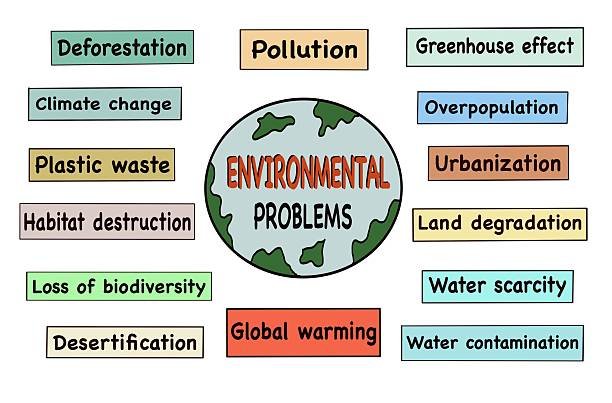
Environmental health is about understanding how the world around us affects our health. The air we breathe, the water we drink, the food we consume and the places where we live and work can all influence our well-being. These issues are at the heart of environmental health studies, which is why assignments on this subject often require more than simply gathering information and putting it into paragraphs. If you are struggling to get started, you are not alone. You might have plenty of information but feel unsure about how to organise it, explain scientific findings or develop a convincing argument. The good news is that you do not need to tackle everything at once. In this guide, I will walk you through the process of writing an environmental health assignment, from understanding the question to checking your references before submission. The aim is to help you produce work that is clear, well researched and genuinely shows your understanding of the subject. Step 1: Understand What Your Assignment Requires Before opening a textbook or searching for journal articles, take a few minutes to read the assignment brief properly. This simple step can save you hours of unnecessary research later. Start by identifying the main topic and what your lecturer wants you to do with it. Are you expected to explain an environmental problem, assess its effects on public health or compare possible solutions? Each task requires a slightly different approach. Pay attention to words such as: Describe: Explain what something is and identify its main features. Explain: Show how something happens or why it matters. Analyse: Examine the issue in detail and explore the connections between different factors. Evaluate: Consider the strengths and weaknesses of the evidence before reaching a judgement. Discuss: Explore different viewpoints and support your points with research. Recommend: Suggest practical actions and explain why they are appropriate. For example, if your assignment asks you to evaluate the effects of air pollution on respiratory health, listing the causes of pollution will not be enough. You will need to examine research on respiratory conditions, consider the quality of the evidence and explain which measures could reduce exposure. Also, check the word count, deadline, referencing requirements and marking criteria. If your lecturer has provided a marking rubric, use it as a guide throughout the writing process rather than looking at it only when you have finished. Step 2: Choose a Topic You Can Research Properly Environmental health is a wide subject, covering everything from unsafe drinking water to climate change. Choosing a manageable topic helps you avoid writing a little about everything without exploring anything in depth. If you have been given a specific question, work within its limits. If you can choose your own topic, think about which issue interests you and whether enough reliable research is available. Here are a few ideas to consider: Air pollution and respiratory illnesses. Water contamination and public health. Poor sanitation and the spread of infectious diseases. Climate change and heat-related health problems. Workplace exposure to hazardous substances. Waste disposal and environmental contamination. Pesticide exposure among agricultural workers. Noise pollution and its effects on sleep. Indoor air quality and respiratory symptoms. Environmental inequality and access to healthy living conditions. Try to narrow your topic before you begin writing. For instance, “environmental pollution” is too broad for most assignments. A more focused topic might be “the effects of traffic-related air pollution on children living in urban areas.” A narrower topic makes it easier to find relevant studies, compare findings and develop a clear argument. It also gives your assignment a purpose from the beginning. Step 3: Find Reliable Information for Your Research Once you have settled on a topic, start gathering evidence. This is one of the most important parts of the assignment because your arguments need to be supported by trustworthy information. I would start with recognised public health organisations and academic databases rather than relying on general websites. These sources can help you understand the issue before you move on to individual research studies. Some useful places to look include: World Health Organization for environmental health information and global public health guidance. PubMed for biomedical studies, epidemiological research and systematic reviews. Google Scholar for finding academic papers and tracing citations. US Environmental Protection Agency for information about environmental hazards and human health risk assessment. UK Health Security Agency for UK public health research and guidance. Office for National Statistics for relevant UK population and social statistics. Your university library is another useful resource, particularly if you need access to research papers behind paywalls. How to decide whether a source is reliable Do not assume that every article you find is suitable for academic work. Before using a source, check who published it, whether it provides references and how closely it relates to your assignment. Look for research that explains its methods and acknowledges its limitations. Recent publications are particularly useful when discussing current policies, exposure standards or newly emerging evidence. However, older studies can still be valuable when they establish important scientific principles. As you research, keep a simple record of each source and note the findings that may support your argument. Recording the publication details at this stage also makes referencing much easier later. Step 4: Plan Your Assignment Before You Start Writing You do not need a complicated plan, but you should know what each section is supposed to achieve. Without a structure, it is easy to repeat the same points or include information that does not answer the question. Begin by deciding on the main argument you want to develop. This is sometimes called your thesis statement. It should tell the reader what your assignment is trying to demonstrate, rather than simply announcing the topic. For example, instead of writing, “Air pollution is harmful to human health,” you could argue that reducing traffic-related air pollution requires a combination of cleaner transport, effective emission controls and measures to protect people who face higher exposure. That gives you several connected
