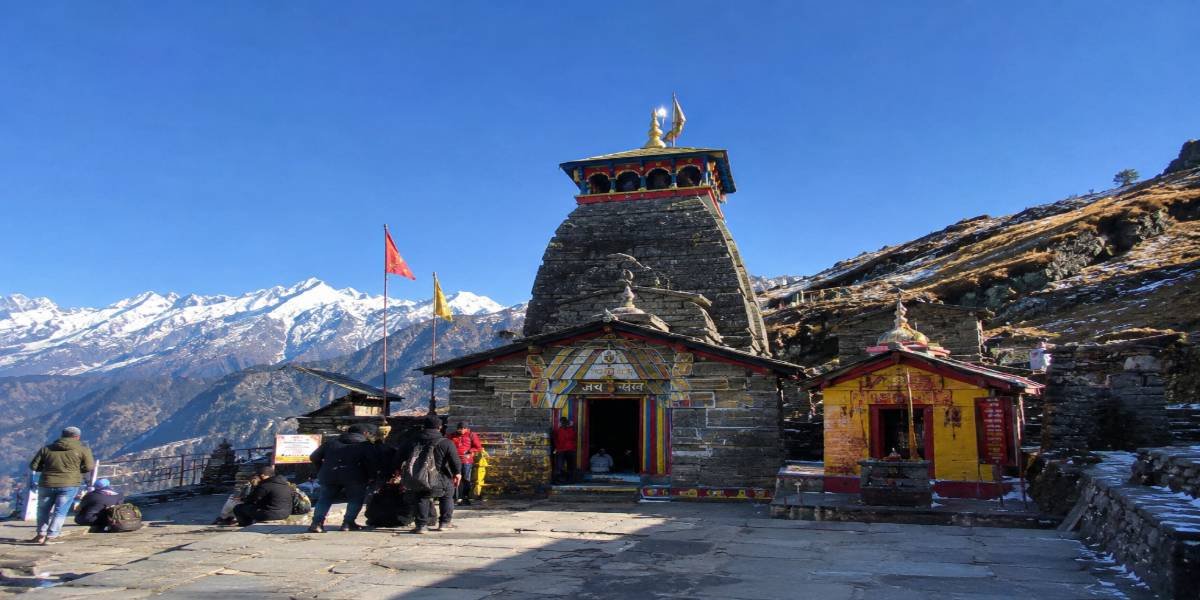
Chopta Tungnath is one of the most beautiful destinations in Uttarakhand, attracting nature lovers, adventure enthusiasts, trekkers, and spiritual travelers throughout the year. Surrounded by lush green meadows, dense forests, and breathtaking Himalayan peaks, Chopta offers a peaceful mountain escape. It is also the starting point for the popular Tungnath Temple and Chandrashila summit treks.
However, the best time to visit Chopta Tungnath depends on what you want to experience. While summer is ideal for trekking and sightseeing, winter attracts visitors hoping to see snowfall and snow-covered mountain trails. This guide explains the weather, snowfall season, and best months to plan your Chopta Tungnath Tour Package with Travel Jigyasa.
Best Time to Visit Chopta Tungnath
Generally, March to June and September to November are excellent periods for trekking, sightseeing, and enjoying clear Himalayan views. December to February is suitable for travelers seeking snow, provided the weather and trail conditions are safe.
According to Uttarakhand Tourism, Chopta is known for its scenic meadows, trekking routes, and winter landscapes.
Chopta Tungnath Weather Throughout the Year
1. Summer Season (April to June)
Summer is one of the most popular seasons to visit Chopta. The weather is generally pleasant during the day, making it suitable for trekking, photography, nature walks, and sightseeing.
The surrounding forests become greener, and rhododendron flowers can brighten the landscape in spring. Visitors can enjoy panoramic views of Himalayan peaks and explore the Tungnath trekking route when conditions permit.
Best activities:
- Trekking to Tungnath Temple and Chandrashila
- Photography and nature walks
- Exploring nearby scenic destinations
- Enjoying comfortable daytime weather
Carry light woollens because temperatures can drop in the evening and early morning.
2. Monsoon Season (July to September)
During the monsoon, Chopta transforms into a lush green landscape with mist-covered hills and fresh mountain air. It can be attractive for travellers who enjoy greenery and peaceful surroundings.
However, heavy rainfall may cause slippery trekking trails, landslides, road blockages, and reduced visibility. Trekking plans may need to change depending on local weather conditions.
Travel tip: If you plan to visit during the monsoon, check road conditions and weather advisories before departure. Avoid trekking during heavy rain or when local authorities advise against travel.
3. Autumn Season (September to November)
Autumn is an excellent time for travellers who want crisp mountain air and clear Himalayan views. After the monsoon, the landscape often looks fresh, while clearer skies can provide excellent opportunities for photography.
The weather gradually becomes colder, particularly at night. This season is suitable for trekking and exploring the surrounding natural attractions, provided the routes are open and safe.
Best activities:
- Tungnath and Chandrashila trekking
- Himalayan landscape photography
- Scenic road trips
- Exploring nearby villages and forests
Carry warm clothing, especially if you plan to start trekking early in the morning.
4. Winter Season (December to February)
Winter gives Chopta a completely different appearance. Snowfall can cover the meadows, forests, roads, and trekking trails, creating beautiful winter scenery.
December to February is a popular period for travelers hoping to experience snow. However, snowfall is weather-dependent, and heavy snow or ice can make the trek more challenging. Road access and accommodation availability may also be affected.
Best activities:
- Enjoying snow-covered mountain landscapes
- Winter photography
- Snow trekking with suitable equipment and guidance
- Experiencing a peaceful Himalayan getaway
Carry thermal wear, waterproof winter footwear, gloves, and other essential cold-weather gear. Check local conditions before attempting the Tungnath or Chandrashila trek.
Important: Tungnath Temple generally closes during winter, with the annual opening and closing dates determined by the temple authorities. Confirm the official schedule if visiting for darshan.
When Can You See Snowfall in Chopta?
Snowfall in Chopta commonly occurs during the winter months, particularly from December to February, although conditions vary each year and snow may persist into March.
January and February are often preferred by visitors seeking snow-covered scenery. However, snowfall cannot be guaranteed on specific travel dates.
Before booking your trip, check the latest weather forecast, road accessibility, and trekking advisories. If your main goal is to visit Tungnath Temple for darshan, check its opening dates separately.
Best Time for the Tungnath and Chandrashila Trek
The Tungnath trek is popular among pilgrims and adventure lovers. The route from Chopta to Tungnath is approximately 3.5 km one way, while Chandrashila lies farther uphill beyond the temple.
- March to June: Suitable for many trekkers, with generally favorable daytime conditions.
- September to November: Excellent for mountain views and photography.
- December to February: Best for snow experiences, but conditions can be difficult and require appropriate equipment and experience.
The Chandrashila extension is steeper and may be particularly challenging in snow or icy conditions. Always follow local advice and avoid proceeding if visibility or trail conditions deteriorate.
What Should You Pack for Chopta Tungnath?
Pack according to the season and planned activities. Essential items include:
- Warm layers and a waterproof jacket
- Comfortable trekking shoes with good grip
- Rainwear during the monsoon
- Gloves, thermal wear, and woollen socks in winter
- Water bottles and personal medicines
- Identification documents and a power bank
- Trekking poles or traction equipment when conditions require them
Plan Your Chopta Tungnath Trip with Travel Jigyasa
Choosing the right season can make your mountain holiday more enjoyable. Travel Jigyasa can help travelers plan a Chopta Tungnath tour package according to their preferred travel dates, sightseeing interests, accommodation needs, and transportation requirements.
Whether you want a summer trekking adventure, an autumn photography trip, or a winter getaway to experience snowfall, plan ahead and confirm local conditions before travelling.
Conclusion
The best time to visit Chopta Tungnath depends on your travel goals. April to June is ideal for pleasant weather and trekking, September to November offers excellent opportunities for clear mountain views, and winter is popular for snow-covered landscapes.
Whichever season you choose, prepare for changing mountain weather, check road and trail conditions, and follow local safety guidance. With thoughtful planning and assistance from Travel Jigyasa, you can enjoy a memorable journey through the scenic beauty of Chopta and Tungnath.