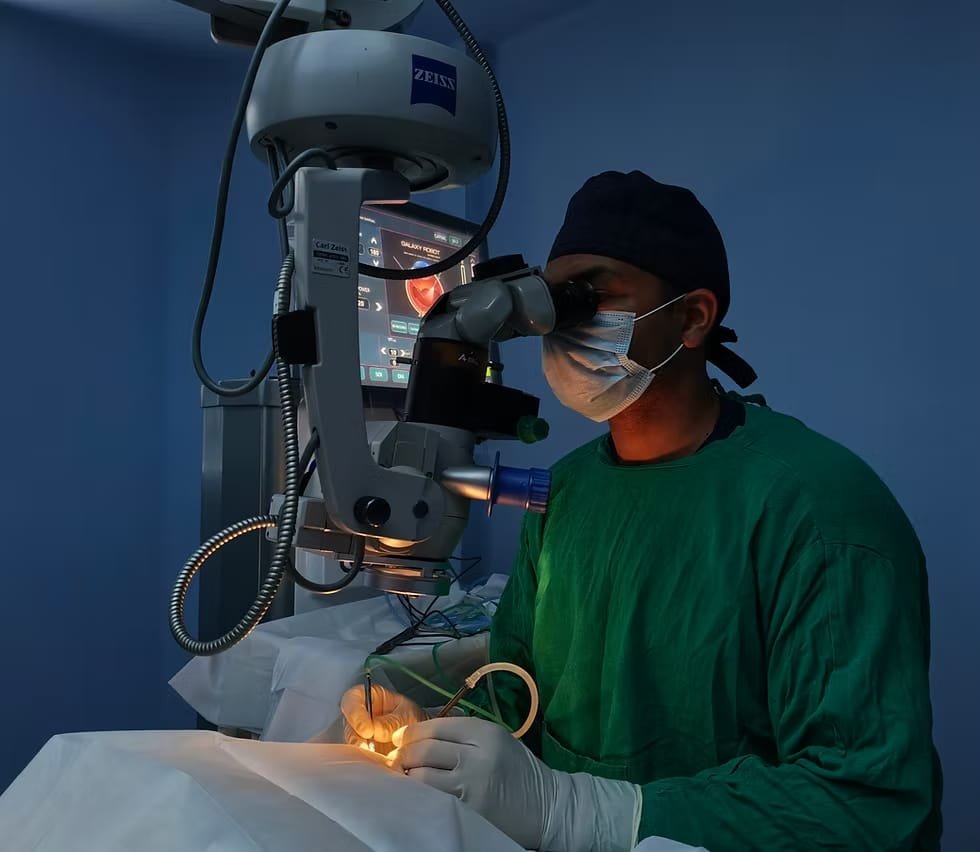
Cataracts are a common eye condition that can gradually affect vision, making everyday activities such as reading, driving, recognising faces, and using digital devices more difficult. Although cataracts often develop with age, modern cataract surgery can help restore clearer vision when the condition begins to interfere with daily life.
For patients considering treatment, understanding the cataract surgery cost in delhi ncr is an important part of planning. The total expense can vary depending on the type of surgical technique, the intraocular lens (IOL) selected, the complexity of the cataract, and the facilities included in the treatment package.
Delhi NCR offers several options for cataract evaluation and surgery, but choosing the right treatment involves more than comparing prices. Patients should understand what different procedures offer, what the quoted cost covers, and which lens may suit their visual needs.
This guide explains the major factors affecting cataract surgery prices, the available treatment options, and the questions patients should ask before making a decision.
What Is the Average Cataract Surgery Cost in Delhi NCR?
The cost of cataract surgery in Delhi NCR generally ranges from approximately ₹20,000 to ₹1,50,000 or more per eye, depending on the surgical method, lens type, hospital or clinic, and individual treatment requirements. These are broad indicative estimates rather than fixed prices, and actual charges may differ between providers.
A basic procedure with a standard monofocal lens usually costs less than surgery involving premium lenses or more specialised technology. Patients should request an itemised estimate after an eye examination rather than relying on a general price range.
The following table provides an approximate overview of common options.
| Cataract surgery option | Indicative cost per eye |
|---|---|
| Standard phacoemulsification with monofocal IOL | ₹20,000–₹45,000 |
| Phacoemulsification with a foldable or enhanced monofocal lens | ₹30,000–₹60,000 |
| Surgery with a toric IOL for suitable patients with astigmatism | ₹45,000–₹90,000 |
| Surgery with a multifocal or trifocal IOL | ₹60,000–₹1,20,000+ |
| Surgery with a premium extended depth of focus (EDOF) lens | ₹60,000–₹1,50,000+ |
These figures are illustrative estimates, not verified quotations from a particular provider. Lens categories, surgical packages, and prices vary. Confirm current charges directly with the treating facility.
What Factors Affect Cataract Surgery Prices?
The final cost depends on several clinical and practical considerations. Understanding these factors can help patients compare treatment options more confidently.
1. Type of Surgical Technique
The surgical method can influence the overall expense.
Phacoemulsification is a commonly used cataract surgery technique. The surgeon makes a small incision, uses ultrasound energy to break up the cloudy natural lens, removes it, and replaces it with an artificial intraocular lens. The small incision often allows recovery without stitches, although individual outcomes vary.
Femtosecond laser-assisted cataract surgery uses laser technology for selected steps of the procedure. It may involve additional equipment and facility charges, and it is not necessarily the best choice for every patient.
The appropriate technique depends on the eye examination, the cataract’s characteristics, the surgeon’s assessment, and the patient’s needs.
2. Type of Intraocular Lens
The intraocular lens is one of the most important factors affecting the price. It replaces the cloudy natural lens removed during surgery.
Common options include:
-
Monofocal lenses: Provide clear vision at one main focal distance. Glasses may still be needed for reading or other activities.
-
Toric lenses: Designed to correct certain amounts of corneal astigmatism as well as cataract-related vision problems.
-
Multifocal or trifocal lenses: Designed to provide vision at more than one distance, potentially reducing dependence on glasses for selected activities.
-
Extended depth of focus lenses: Designed to provide a broader range of functional vision, particularly across distance and intermediate tasks, depending on the lens.
Premium lenses may increase the total expense, but a higher price does not automatically mean a better outcome for every person. Factors such as corneal health, retinal conditions, existing eye disease, and visual expectations influence lens suitability.
3. Experience and Facilities of the Treatment Provider
The overall package may differ according to the clinic or hospital’s infrastructure, surgical facilities, diagnostic equipment, and postoperative support.
When comparing providers, patients should look beyond the headline price. Confirm who will perform the surgery, what preoperative tests are included, whether the lens cost is covered, and how follow-up visits are arranged.
A transparent treatment plan helps patients understand what they are paying for and whether any additional charges may apply.
4. Complexity of the Cataract
Not every cataract is the same. Some become denser over time, while others occur alongside conditions such as glaucoma, diabetic retinopathy, or corneal disease.
These circumstances may require additional investigations, specialised surgical planning, or closer postoperative monitoring. Such requirements can affect the overall treatment cost.
An eye examination is therefore essential before a reliable estimate can be provided.
5. Tests, Medicines, and Follow-Up Visits
The quoted price may include only the surgery, or it may cover a broader package.
Additional expenses can include:
-
Preoperative eye examinations and diagnostic scans
-
Biometry for calculating the appropriate IOL power
-
Anaesthesia or other procedural charges
-
Prescribed eye drops and medicines
-
Postoperative consultations
-
Additional investigations when medically necessary
Always request a written breakdown so that you can distinguish the surgical fee from the total cost of treatment.
Which Cataract Surgery Option Should You Choose?
There is no single lens or surgical technique that is ideal for everyone. The best choice depends on the patient’s eye health, daily routine, visual priorities, and budget.
Standard Monofocal Lens
A monofocal IOL is a practical option for many patients. It usually focuses on one distance, often far vision, meaning reading glasses may still be required.
This option may suit people who prefer a straightforward visual correction strategy and are comfortable using glasses when needed.
Premium Multifocal or Trifocal Lens
These lenses aim to provide useful vision at multiple distances. They may reduce the need for glasses, but some people experience glare, halos around lights, or reduced contrast, particularly in certain lighting conditions.
Patients who drive at night or have other eye conditions should discuss these potential limitations before choosing a premium lens.
Toric or EDOF Lens
A toric lens may be appropriate when astigmatism affects vision. An EDOF lens may suit selected patients who want a broader range of vision, particularly for intermediate activities.
Neither option guarantees complete freedom from glasses. A detailed assessment helps establish realistic expectations.
Is Cataract Surgery Covered by Health Insurance?
Cataract surgery may be covered by health insurance in India, subject to the policy’s terms, waiting periods, exclusions, and applicable limits.
Some policies impose a maximum reimbursement amount for cataract surgery or apply sub-limits based on the procedure or treatment provider. Premium lens upgrades and certain additional services may not be fully covered.
Before scheduling surgery, contact your insurer or third-party administrator to confirm:
-
Whether cataract surgery is covered under your policy
-
Any waiting period or eligibility requirements
-
The applicable per-eye or procedure limit
-
Whether the selected hospital or clinic is part of the network
-
Whether premium IOLs and diagnostic tests are covered
-
Whether cashless treatment or reimbursement is available
Request written confirmation where possible. This can help avoid unexpected expenses during treatment.
How to Compare Cataract Surgery Packages in Delhi NCR
Choosing surgery based only on the lowest price may leave important questions unanswered. A more useful comparison considers the complete treatment experience.
Before making a decision, ask the provider:
-
Which surgical technique is recommended for my eyes, and why?
-
What is the exact model and type of intraocular lens being offered?
-
Does the package include the preoperative tests, medicines, and follow-up appointments?
-
Are there any additional charges if the procedure becomes more complex?
-
What visual results are realistic given my existing eye health?
-
What should I do if I experience a problem after surgery?
Also, ask whether the estimate is for one eye or both eyes. Cataracts can affect both eyes, but the timing of surgery should be determined by the treating ophthalmologist based on the patient’s condition and clinical needs.
A clear explanation of the treatment plan is an important part of informed decision-making.
When Should You Consider Cataract Surgery?
Cataract surgery is generally considered when lens clouding significantly affects vision or interferes with daily activities. Common symptoms include blurred vision, difficulty seeing at night, increased sensitivity to glare, faded colours, and frequent changes in glasses prescriptions.
Surgery is not always necessary as soon as a cataract is detected. In many cases, an ophthalmologist can monitor the condition until the visual difficulties justify treatment.
However, sudden vision loss, significant eye pain, or a sudden increase in flashes or floaters should not automatically be attributed to cataracts. These symptoms require prompt medical assessment because they may indicate another eye problem.
A comprehensive examination helps determine whether a cataract is responsible for the symptoms and whether surgery is appropriate.
What to Expect Before and After Cataract Surgery
Before surgery, the ophthalmologist examines the eyes, measures the eye for IOL power calculation, reviews medical history, and discusses the available lens options. Patients should share details of their medications, diabetes management, previous eye procedures, and any other relevant health conditions.
Cataract surgery is commonly performed as a day procedure, so an overnight hospital stay is often unnecessary. The exact arrangements depend on the patient’s health and the treatment facility.
After surgery, patients generally receive prescribed eye drops and instructions about protecting the eye and attending follow-up visits. Vision may improve relatively quickly, but recovery varies from person to person.
Patients should follow their surgeon’s instructions about physical activity, eye protection, and medication use. Severe pain, worsening redness, sudden deterioration in vision, or other concerning symptoms require urgent contact with the treating eye-care professional.
Frequently Asked Questions
1. What is the cataract surgery cost in Delhi NCR for one eye?
The approximate cost may range from ₹20,000 to ₹1,50,000 or more per eye, depending on the procedure, IOL type, facility, and complexity of the case. An individual estimate should be obtained after an ophthalmic examination.
2. Which cataract lens is best for older adults?
A monofocal lens is suitable for many older adults, while toric, multifocal, trifocal, or EDOF lenses may benefit selected patients. The right option depends on eye health, astigmatism, daily activities, and expectations about wearing glasses.
3. Is cataract surgery painful?
The procedure is generally performed using local anaesthesia, often with numbing eye drops. Patients may experience pressure or mild discomfort, but significant pain during surgery is not expected. Postoperative discomfort should be discussed with the treating doctor, especially if it is severe or worsening.
4. Can health insurance pay for cataract surgery?
Yes, many health insurance policies cover cataract surgery, but coverage depends on the policy’s conditions, waiting periods, limits, and exclusions. Patients should confirm the eligible amount and any out-of-pocket expenses with their insurer before treatment.
5. How long does it take to recover from cataract surgery?
Many patients notice improved vision within a few days, although complete visual recovery may take several weeks. Recovery depends on individual healing, the condition of the eye, and whether other eye diseases are present. Follow-up appointments help the ophthalmologist monitor progress.
Conclusion
Understanding the cataract surgery cost in Delhi NCR helps patients prepare financially and make informed decisions about their eye health. The total price depends on the surgical technique, intraocular lens, diagnostic tests, treatment complexity, and services included in the package. Comparing complete treatment plans is more useful than choosing a provider based on price alone.
For those considering treatment, IClinix Advanced Eye Care can be a point of contact for discussing cataract evaluation and available treatment options. Patients should seek a personalised assessment, understand the benefits and limitations of each lens, and clarify all costs before proceeding. The goal is to choose a clinically appropriate treatment that supports clearer vision, realistic expectations, and long-term eye health.