A beautiful flower garden can make your home feel more peaceful, colorful, and welcoming. Whether you have a spacious backyard, a small front yard, or a few containers on your patio, you can create an attractive garden with the right plants and a little planning.
You do not need expensive decorations or professional landscaping to get started. Choosing flowers that suit your climate, preparing healthy soil, and arranging plants thoughtfully can make a noticeable difference. Small decorative details can also give your garden a personal touch.
In this guide, you will learn how to plan a flower garden, choose suitable flowers, maintain healthy plants, and decorate your outdoor space to make it more inviting.
1. Choose the Right Location for Your Flower Garden
The first step is finding a suitable location. Most flowering plants need sunlight, although the amount varies by species. Before planting, observe how much direct sunlight your chosen area receives throughout the day.
Many popular flowering plants, including marigolds and zinnias, grow well in sunny locations. Other plants may prefer partial shade, especially in areas with hot summers.
Also, check the drainage. Soil that remains waterlogged can damage roots and encourage plant diseases. If your garden has heavy soil, consider improving its structure with suitable organic matter or using raised beds.
For a small space, containers and vertical planters can help you grow flowers without needing a large garden.
2. Select Flowers That Match Your Garden
Choosing suitable flowers makes garden care easier and helps you enjoy healthy growth throughout the growing season.

Here are a few popular choices:
-
Marigolds: Bright yellow and orange blooms that grow well in sunny locations.
-
Roses: Classic flowers available in many colors, suitable for borders and dedicated rose beds.
-
Zinnias: Colorful seasonal flowers that can attract pollinators.
-
Lavender: A fragrant plant that generally prefers sunny locations and well-drained soil.
-
Petunias: Popular flowers for hanging baskets, containers, and garden borders.
-
Daisies: Cheerful flowers that can suit informal garden designs.
Always check the recommended growing conditions for your region. A flower that thrives in one climate may need extra protection or a different planting season elsewhere.
3. Prepare Healthy Soil Before Planting
Healthy soil provides the foundation for a successful flower garden. Before planting, remove weeds, stones, and unwanted debris from the area.
Loosen compacted soil and mix in suitable compost if needed. Compost can improve soil structure and help support plant growth. Avoid adding fertilizer without considering the plants’ needs, because excessive nutrients may encourage leafy growth at the expense of flowers.
When planting, follow the recommended spacing for each species. Plants placed too close together may compete for light and airflow as they mature.
Water the soil after planting to help settle it around the roots, but avoid flooding the area.
4. Water Your Flowers Correctly
Watering is one of the most important parts of flower gardening. The correct amount depends on the weather, soil, plant species, and whether your flowers grow in containers or in the ground.
Check the soil before watering. If the root zone is still moist, you may not need to add more water immediately.
Whenever practical, water near the base of the plant instead of repeatedly wetting the leaves. Morning watering can give foliage time to dry during the day.
During hot weather, containers may dry out faster than garden beds, so check them more frequently. At the same time, avoid watering automatically every day without checking soil moisture.
5. Add Decorative Details to Your Garden
Plants provide the main attraction, but thoughtful decorations can make a garden feel more personal. Consider adding a small birdbath, decorative stones, a garden bench, or a few attractive planters.
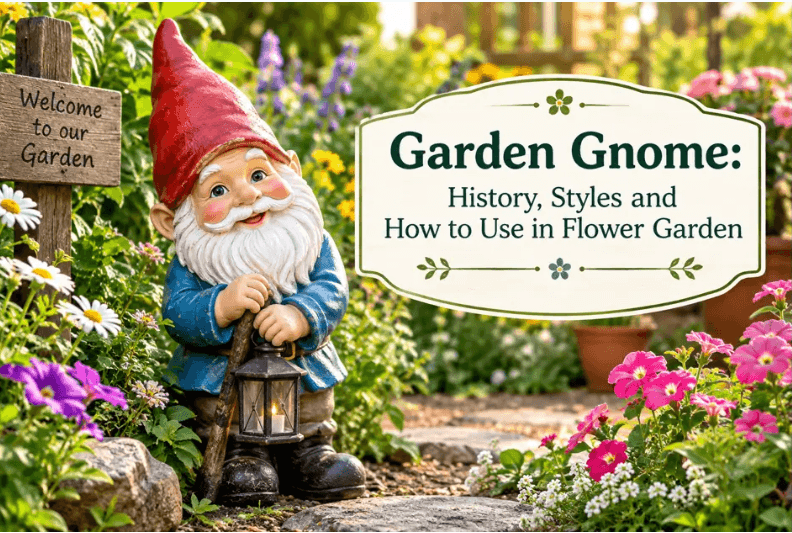
A garden gnome is another option for adding character to a flower bed or pathway. Choose a size and style that complements your plants instead of overwhelming the space.
For more inspiration, explore these garden gnome ideas and placement tips to discover ways to incorporate decorative figures into your outdoor design.
Keep decorations away from walking routes and avoid overcrowding the garden with too many ornaments. A simple arrangement often looks more attractive than a collection of unrelated items.
6. Maintain Your Flower Garden Regularly
Regular maintenance helps flowers remain healthy and keeps the garden looking tidy.
Follow these basic practices:
-
Remove weeds before they compete heavily with your flowers.
-
Deadhead flowers when appropriate to encourage continued blooming in suitable species.
-
Inspect leaves for signs of pests or disease.
-
Prune plants according to their individual requirements.
-
Apply fertilizer only when needed and follow label instructions.
-
Remove damaged plant material when appropriate.
Remember that different plants have different maintenance needs. Some flowers benefit from regular deadheading, while others produce attractive seed heads that you may wish to leave in place.
7. Create a Colorful and Balanced Garden Design
A well-planned flower garden uses color, height, and texture to create visual interest.
For example, you can place taller flowers toward the back of a border, medium-height plants in the middle, and low-growing flowers near the front. This arrangement helps more plants remain visible.
You can also choose a simple color theme. Pink and white flowers create a softer appearance, while yellow, orange, and red blooms can produce a brighter display.
Mixing flowering plants with attractive foliage can help the garden look interesting even when some flowers are not blooming.
8. Common Flower Gardening Mistakes to Avoid
Beginners sometimes plant flowers without checking their sunlight requirements, water too frequently, or choose plants that do not suit the local climate.
Another common mistake is overcrowding. Young plants may look small when first planted, but many spread or grow taller as the season progresses.
Avoid ignoring drainage, using too much fertilizer, or placing delicate decorations where they can easily fall or break.
Start with a manageable number of plants and learn their growing requirements. You can expand your garden as you gain experience.
Frequently Asked Questions
What are the easiest flowers to grow at home?
Marigolds, zinnias, and petunias are popular options for beginners, provided their sunlight, soil, and watering requirements are met.
How can I make a small flower garden look beautiful?
Use containers, arrange plants at different heights, choose a coordinated color palette, and leave enough open space to prevent clutter.
How often should I water a flower garden?
There is no universal schedule. Check the soil moisture, consider the weather, and follow the needs of your particular plants.
Can I decorate my flower garden with ornaments?
Yes. Small statues, stones, planters, and garden gnomes can complement flowers when their size and style suit the surrounding space.
Final Thoughts
Creating a beautiful flower garden at home does not have to be complicated. Start by choosing the right location, selecting suitable flowers, preparing healthy soil, and developing a consistent watering routine.
As your garden grows, experiment with different colors, plant heights, and decorative details to make the space your own. With regular care and thoughtful planning, even a small outdoor area can become a colorful and relaxing place to enjoy.
For more inspiration, visit FlowersGuid.com and explore practical ideas for flower care, flower types, gardening, and flower gifts.