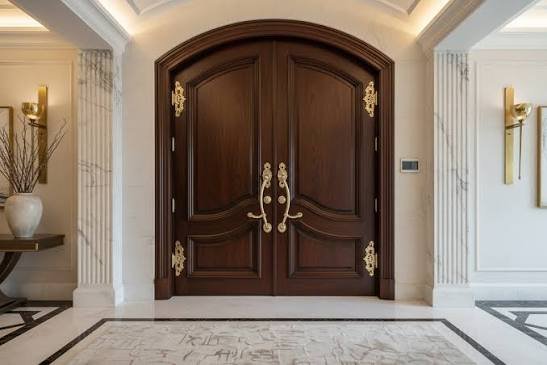
A home speaks through detail. Doors stand right in the line of sight. People pass them all day. Many ignore them. That choice dulls the whole space. Pick better doors and the mood shifts. The room gains a clear edge. Lines feel sharper. The place looks cared for.
What are luxury internal doors and why do they matter
Luxury internal doors focus on build and finish. They feel solid in hand. They close with a firm sound. They do more than block a room. They frame each space. They guide how the eye moves. Many homes use luxury internal doors to create a strong base for design.
Why do doors shape the look of a room so much
Doors sit at eye level. You see them each time you walk through. A plain slab fades away. A well made door draws a glance. Edges matter. Grain matters. Color matters. These small parts build the whole feel. Change the door and the room reads in a new way.
How do luxury internal doors add style to interiors
Style often hides in restraint. Clean lines. True edges. A neat surface. A panel can add depth. A flat face can keep things sleek. Both can look right if made well. Light touches the door and reveals its finish. That soft play gives a quiet lift.
What materials give doors a richer feel
Material sets the tone at once. Solid wood feels warm. It carries weight. Engineered cores bring stability. Veneers show fine grain. Glass panels open sight lines. Metal handles add a crisp note. Each piece shapes the final look.
How does finish change the mood of a space
Finish alters the feel in a blink. A matte face feels calm. A slight sheen adds a gentle spark. Pale tones brighten a room. Deep tones ground it. Natural hues sit in between. Match the door with floor or trim. That link keeps the space coherent.
Why do luxury internal doors improve flow between rooms
Flow means ease of movement for the eye. Doors guide that path. Mixed styles break it. Keep one look across rooms and the home feels tied together. No visual jolt. No clash. Many choose luxury internal doors for that reason. The house reads as one piece.
Who should think about upgrading doors
Anyone who wants a cleaner look can gain from it. Owners who plan to sell may see a lift in appeal. Design fans use doors to finish a scheme. Even a plain home can gain a new face with better doors. The change shows at once without heavy work.
How do these doors affect light and sense of space
Doors can shape light in subtle ways. A pale surface reflects it. A glass panel lets it pass. Hallways feel less boxed in. Small rooms feel more open. A well placed door can shift how a corner reads.
What role does strength play in daily use
A door meets constant use. It swings all day. It takes knocks. Luxury internal doors use strong cores. They hold their form. Hinges stay true. That strength keeps the room neat. No sag. No rattle.
Why do luxury internal doors add value over time
Quality holds up. Good doors age with grace. The surface keeps its look with simple care. They also signal finish to a buyer. Details matter at that stage. Homes with luxury internal doors often feel complete. That sense can sway a decision.
How do you keep these doors in good shape
Care stays simple. Wipe dust with a soft cloth. Keep water away from edges. Check hinges now and then. Tighten if needed. Clean marks with mild soap. This habit keeps the door looking fresh.
FAQs
What is the main benefit of luxury internal doors?
They improve the look and add strength to rooms.
Do they suit all styles?
Yes they fit modern and classic spaces with the right design.
Can I pick different finishes?
Yes you can choose tones that match your home.
Are they strong?
Yes they resist wear and keep their shape.
Do they need much care?
No they need basic cleaning and simple checks.
Conclusion
Doors shape how a home reads. A better door can shift the mood without large work. It brings order and a sense of care. Luxury internal doors combine solid build with clean design. They tie rooms together. They hold up under daily use. Choose well and the home feels more settled. The change stays with you each time you move from one room to the next.