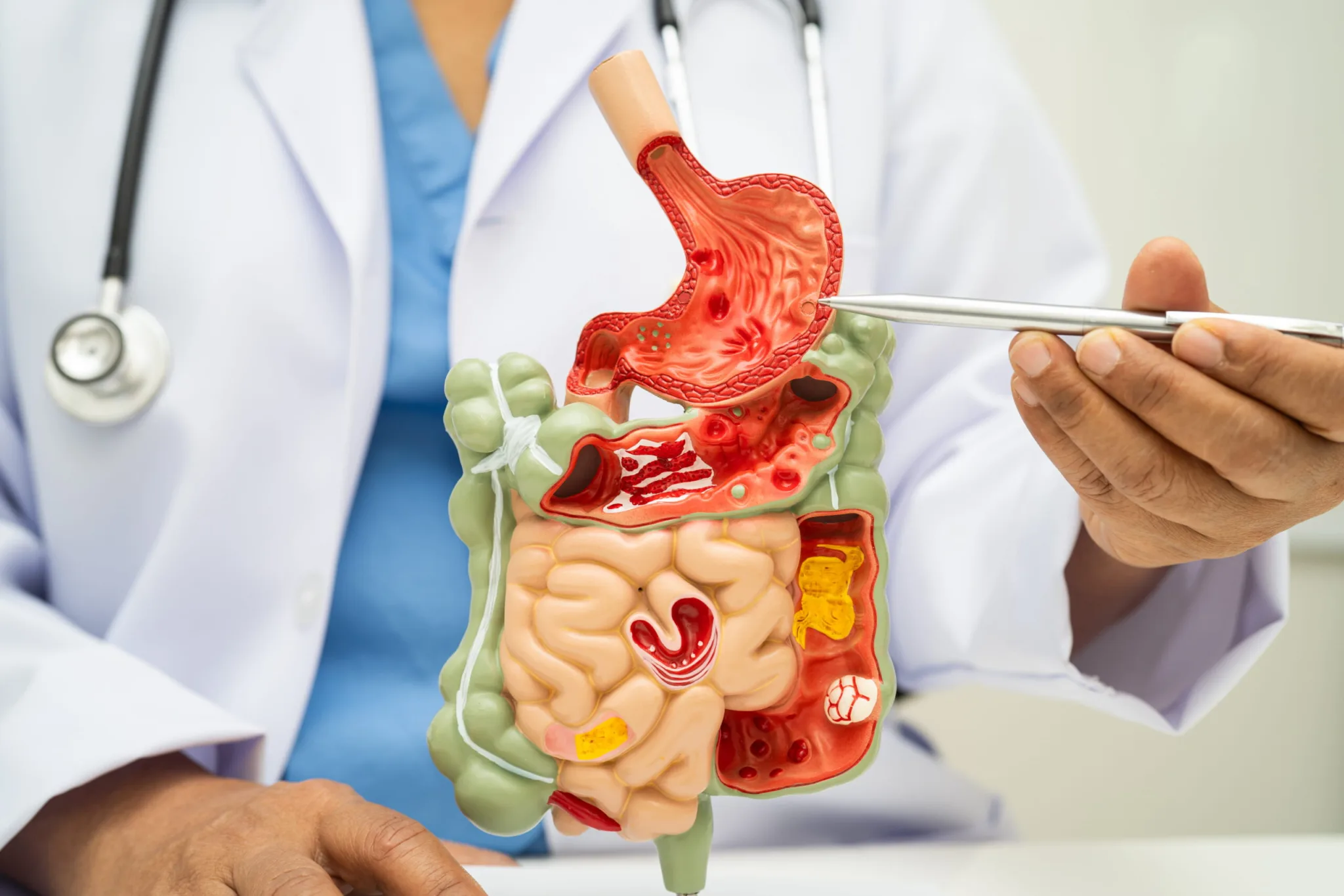
Digestive problems can affect almost every part of daily life, from enjoying meals to sleeping comfortably and maintaining energy throughout the day. Symptoms such as persistent acidity, abdominal pain, bloating, constipation, diarrhoea, or changes in bowel habits may seem minor at first, but recurring issues can sometimes indicate an underlying digestive condition that needs medical attention.
Finding the best gastro doctor in dubai can help patients understand their symptoms, identify possible causes, and receive appropriate care. A gastroenterologist specialises in the digestive system, including the oesophagus, stomach, small intestine, large intestine, liver, gallbladder, pancreas, and related organs.
Whether someone is experiencing occasional digestive discomfort or dealing with a long-term gastrointestinal condition, the right medical guidance can make the process of diagnosis and management clearer. Understanding common symptoms, available investigations, and the factors that matter when choosing a specialist is an important first step towards better digestive health.
What Does a Gastroenterologist Treat?
A gastroenterologist is a medical specialist who evaluates and manages conditions affecting the digestive system. These conditions can range from common problems, such as acid reflux and constipation, to more complex disorders involving intestinal inflammation, the liver, or the pancreas.
Patients may seek gastroenterology care for:
- Acid reflux and heartburn: Burning discomfort caused by stomach contents flowing back into the oesophagus.
- Gastritis and stomach discomfort: Inflammation of the stomach lining that may cause pain, nausea, or indigestion.
- Irritable bowel syndrome (IBS): A condition associated with abdominal pain and changes in bowel habits.
- Inflammatory bowel disease (IBD): Conditions such as Crohn’s disease and ulcerative colitis that cause chronic inflammation in the digestive tract.
- Constipation and diarrhoea: Persistent or recurrent changes in bowel movements.
- Liver conditions: Problems such as fatty liver disease and certain forms of hepatitis.
- Gallbladder and pancreatic disorders: Conditions that may cause abdominal pain, digestive difficulties, or other symptoms.
- Gastrointestinal bleeding: Bleeding that can appear as blood in the stool or black, tarry stools.
The appropriate specialist and investigations depend on the patient’s symptoms, medical history, age, and other risk factors.
Common Digestive Symptoms That Should Not Be Ignored
Digestive symptoms are common, and many are temporary. However, symptoms that persist, recur frequently, worsen over time, or interfere with daily activities deserve medical assessment.
1. Persistent Acidity and Heartburn
Heartburn often causes a burning sensation behind the breastbone, particularly after meals or when lying down. Occasional symptoms may occur after eating large meals, but frequent heartburn can be associated with gastro-oesophageal reflux disease (GERD).
A gastroenterologist can assess symptom patterns, discuss lifestyle factors, and determine whether medication or further testing is appropriate. Difficulty swallowing, unexplained weight loss, vomiting blood, or persistent vomiting should not be dismissed as ordinary acidity.
2. Abdominal Pain and Bloating
Bloating may develop after eating certain foods, swallowing excess air, or experiencing constipation. Abdominal pain, however, can have several possible causes, including food intolerance, infections, gallstones, or intestinal conditions.
The location, duration, severity, and timing of the discomfort can help guide an evaluation. Severe or sudden abdominal pain, particularly when accompanied by fever, repeated vomiting, fainting, or a rigid abdomen, requires urgent medical attention.
3. Changes in Bowel Habits
Constipation, frequent diarrhoea, and alternating bowel patterns can occur for many reasons. Dietary changes, dehydration, medications, infections, and functional digestive disorders may contribute to these symptoms.
If changes continue or are accompanied by blood in the stool, anaemia, unexplained weight loss, or nighttime symptoms, a medical assessment is important. A specialist can determine whether dietary adjustments, laboratory tests, stool tests, or further investigations are needed.
4. Nausea, Vomiting, and Indigestion
Nausea and indigestion may follow certain meals or occur during a short-lived illness. Repeated episodes, early fullness, ongoing upper abdominal discomfort, or unexplained vomiting may require a closer evaluation.
A doctor may review medications, eating habits, previous illnesses, and associated symptoms to identify possible causes and recommend appropriate care.
How to Choose the Best Gastro Doctor in Dubai
Choosing a gastroenterologist involves more than finding a clinic nearby. Patients should consider the specialist’s relevant experience, approach to diagnosis, communication style, and access to appropriate investigations.
Check Specialist Credentials and Clinical Experience
Look for a qualified gastroenterologist with the relevant professional registration and experience in managing the type of digestive problem you are experiencing. Some specialists focus on general gastroenterology, while others have additional interests in liver disease, inflammatory bowel disease, or advanced endoscopic procedures.
If a particular procedure is being considered, ask whether the specialist performs it and whether it is appropriate for your condition.
Look for a Careful Diagnostic Approach
Digestive symptoms can overlap across different conditions. For example, abdominal discomfort may be associated with reflux, food intolerance, an intestinal disorder, or a problem involving another abdominal organ.
A careful evaluation should include a review of symptoms, medical history, medications, and relevant risk factors. Investigations should be selected according to clinical need rather than performed automatically for every patient.
Consider Communication and Follow-Up
Good digestive care involves understanding the problem and knowing what to do next. A specialist should explain possible causes, discuss the benefits and limitations of proposed tests, and provide clear instructions about treatment and follow-up.
Patients should feel comfortable asking questions about medication, dietary changes, expected recovery, and symptoms that require further attention.
Review Clinic Facilities and Practical Considerations
Depending on the condition, care may involve blood tests, stool analysis, abdominal imaging, endoscopy, or colonoscopy. Check whether the clinic can arrange the necessary investigations or coordinate referrals when needed.
Appointment availability, insurance coverage, location, and access to follow-up consultations can also influence the overall experience.
What Happens During a Gastroenterology Consultation?
A first consultation generally begins with a detailed discussion of the patient’s symptoms and medical history. The doctor may ask when the symptoms started, how often they occur, what makes them better or worse, and whether there have been changes in appetite, weight, or bowel habits.
The assessment may include:
- Medical history: Previous digestive conditions, surgeries, medications, allergies, and relevant family history.
- Symptom review: The timing, location, severity, and frequency of digestive discomfort.
- Physical examination: An examination guided by the reported symptoms and clinical findings.
- Investigations, if necessary: Tests selected to investigate possible causes.
- A care plan: Recommendations based on the findings, which may include lifestyle changes, medication, additional testing, or specialist follow-up.
Not every patient requires extensive testing. The goal is to investigate the problem appropriately while avoiding unnecessary procedures.
Before the appointment, patients can prepare by listing their symptoms, current medications, known food triggers, and previous test results. Keeping a brief record of meals and symptoms may also help identify patterns.
Diagnostic Tests Used to Investigate Digestive Problems
The tests recommended by a gastroenterologist depend on the symptoms and suspected condition.
Blood and Stool Tests
Blood tests can help assess issues such as anaemia, inflammation, liver function, or other abnormalities. Stool tests may be used to investigate infections, intestinal inflammation, or gastrointestinal bleeding, depending on the clinical situation.
These tests provide useful information, but their results must be interpreted alongside symptoms and examination findings.
Upper Gastrointestinal Endoscopy
An upper endoscopy allows a doctor to examine the lining of the oesophagus, stomach, and the first part of the small intestine using a flexible instrument with a camera.
It may be recommended for selected patients with persistent upper digestive symptoms, swallowing difficulties, suspected ulcers, or signs of gastrointestinal bleeding. Biopsies can sometimes be collected during the procedure when necessary.
Colonoscopy
A colonoscopy examines the lining of the large intestine and rectum. It may be used to investigate persistent bowel changes, rectal bleeding, suspected inflammatory bowel disease, or other concerns.
It is also used for colorectal cancer screening and the assessment or removal of certain polyps. Whether and when a person needs a colonoscopy depends on age, risk factors, symptoms, and applicable screening recommendations.
Abdominal Imaging
Ultrasound, CT scans, or other imaging tests may help investigate problems involving the liver, gallbladder, pancreas, and other abdominal structures. The choice of imaging depends on the clinical question and the information required.
Practical Ways to Support Better Digestive Health
Medical assessment is important when symptoms persist, but everyday habits can also support digestive health.
- Eat balanced meals: Include a variety of vegetables, fruits, whole grains, and suitable protein sources.
- Increase fibre gradually: Fibre may help with constipation, although individual requirements vary and some digestive conditions require specific dietary advice.
- Drink enough water: Adequate fluid intake supports normal bowel function, particularly when increasing fibre.
- Eat at a comfortable pace: Eating slowly and avoiding very large meals may help some people manage bloating or reflux.
- Stay physically active: Regular movement can support bowel regularity and general health.
- Identify individual triggers: Record foods and symptoms rather than unnecessarily eliminating several food groups.
- Use medicines responsibly: Avoid frequent self-medication for recurring digestive symptoms without seeking professional advice.
Dietary changes are not a substitute for medical evaluation when warning signs are present. People with persistent symptoms or diagnosed digestive conditions may need an individualised plan.
When Should You Seek Urgent Medical Attention?
Some digestive symptoms require prompt assessment rather than a routine appointment. Seek urgent medical care for vomiting blood, black and tarry stools, substantial rectal bleeding, severe or sudden abdominal pain, or signs of significant dehydration.
Persistent vomiting, difficulty swallowing, unexplained weight loss, or ongoing changes in bowel habits also warrant medical evaluation. The urgency depends on the severity and combination of symptoms.
Recognising these warning signs can help prevent potentially serious problems from being overlooked.
Frequently Asked Questions
1. When should I visit a gastroenterologist in Dubai?
Consider seeing a gastroenterologist if you have recurring acidity, persistent abdominal pain, unexplained bloating, ongoing constipation or diarrhoea, or other digestive symptoms that affect daily life. Blood in the stool, unexplained weight loss, or difficulty swallowing should be assessed promptly.
2. What is the difference between a gastroenterologist and a general physician?
A general physician evaluates a wide range of health concerns and can manage many common digestive problems. A gastroenterologist specialises in digestive system disorders and can assess complex conditions and recommend specialised investigations or procedures when appropriate.
3. Do all digestive problems require an endoscopy or colonoscopy?
No. Many digestive complaints can initially be evaluated through medical history, physical examination, and selected tests. Endoscopy or colonoscopy is recommended when the symptoms, risk factors, or initial findings indicate that the procedure may provide useful information.
4. Can dietary changes help with recurring digestive symptoms?
Yes, dietary changes may help manage certain symptoms, depending on the underlying cause. Eating balanced meals, staying hydrated, adjusting fibre intake, and identifying individual triggers may be beneficial, but persistent or worsening symptoms should not be managed through diet alone.
5. How should I prepare for my first gastroenterology appointment?
Bring a list of your symptoms, current medications, relevant medical records, and previous test results. Note when the symptoms occur, how long they last, and whether particular meals or activities seem to affect them. Follow the clinic’s instructions if any investigation has been scheduled.
Conclusion
Digestive health plays an important role in comfort, nutrition, and overall well-being. Persistent acidity, abdominal pain, bloating, and changes in bowel habits should be evaluated in context rather than treated through repeated self-medication. Choosing a gastroenterologist who takes a careful diagnostic approach, explains treatment options clearly, and provides appropriate follow-up can help patients make informed decisions about their care.
For people exploring specialist digestive care in Dubai, Dr. Neil Philip Galletly is a name to consider when researching gastroenterology services. Patients should review his current professional credentials, clinical expertise, and available consultation services to determine whether his practice meets their individual healthcare needs. Ultimately, timely assessment and an appropriate care plan are important steps towards managing digestive symptoms and protecting long-term health.