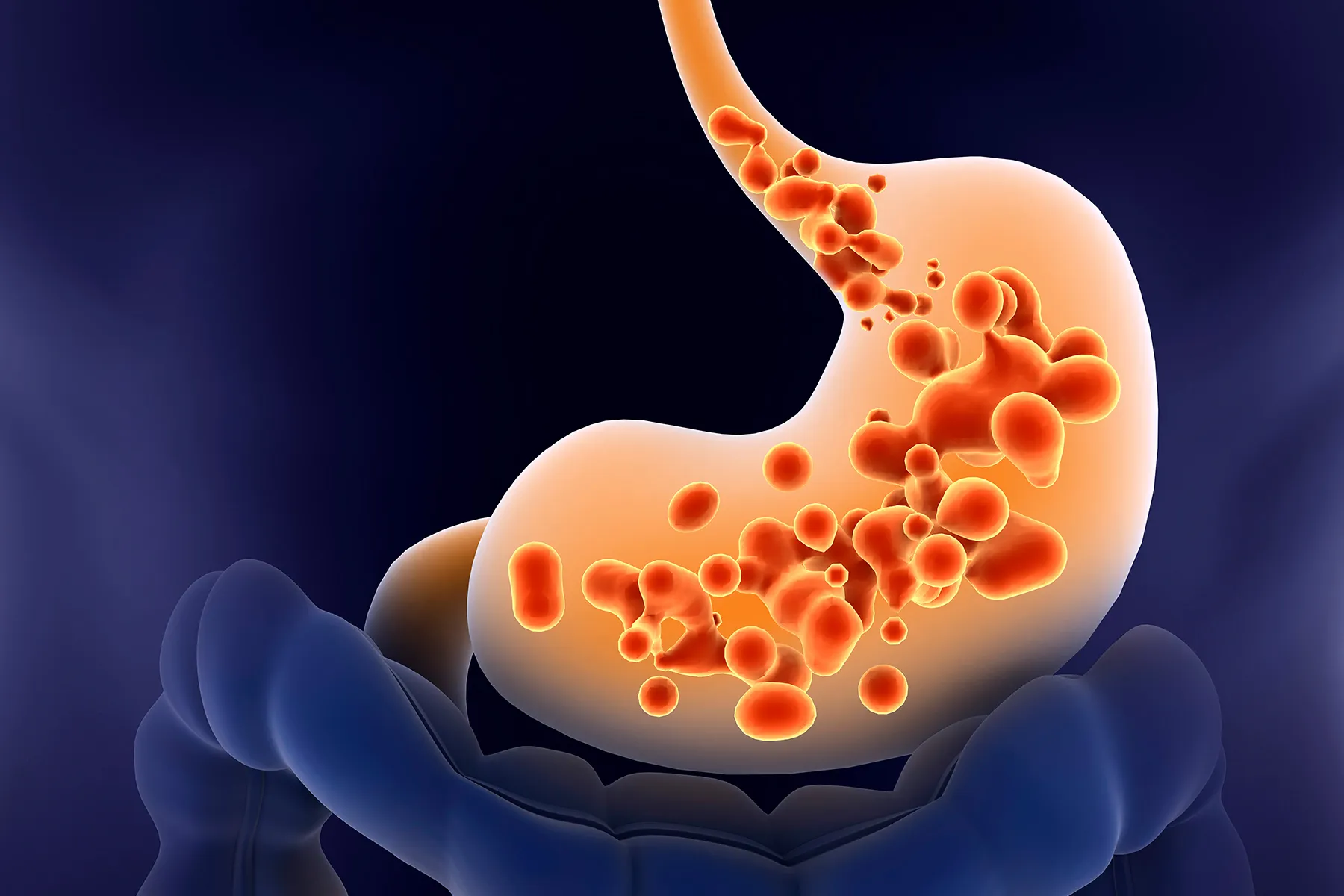
Gastroesophageal reflux disease (GERD) is a common digestive condition that occurs when stomach contents repeatedly flow back into the oesophagus, the tube that carries food from the mouth to the stomach. This backward movement, known as acid reflux, can cause discomfort, irritation and several symptoms that may affect daily life. While occasional acid reflux can happen to almost anyone, frequent or persistent symptoms may indicate a more serious underlying problem.
Many people associate GERD only with heartburn, but the condition can also cause regurgitation, difficulty swallowing, a persistent cough and other symptoms that are not always immediately recognised as digestive problems. Understanding these signs can help people seek appropriate medical advice and avoid unnecessary discomfort.
Recognising the symptoms of gastroesophageal reflux disease is an important first step towards managing the condition. With guidance from a qualified healthcare professional, patients can better understand their symptoms, identify possible triggers and explore suitable treatment options.
What Is Gastroesophageal Reflux Disease?
Gastroesophageal reflux disease is a chronic digestive condition in which stomach acid or other stomach contents repeatedly move upwards into the oesophagus and cause troublesome symptoms or complications.
Normally, a muscular ring called the lower oesophageal sphincter (LES) helps prevent stomach contents from flowing backwards. It relaxes to allow food to enter the stomach and then closes again. When this muscle weakens or relaxes at inappropriate times, reflux can occur more frequently.
The stomach has a protective lining that helps it tolerate digestive acid. The oesophagus does not have the same level of protection, so repeated exposure to stomach contents can irritate its lining.
GERD may develop due to several factors, including excess body weight, pregnancy, certain dietary habits, smoking and a hiatal hernia. However, symptoms and contributing factors vary from person to person.
Common Symptoms of Gastroesophageal Reflux Disease
The symptoms of GERD can range from mild discomfort after meals to persistent problems that interfere with eating, sleeping or everyday activities. Some people experience typical digestive symptoms, while others notice throat or respiratory complaints.
1. Heartburn or Burning Chest Discomfort
Heartburn is one of the most recognisable symptoms of gastroesophageal reflux disease. It usually feels like a burning sensation behind the breastbone, sometimes spreading towards the throat.
Heartburn commonly occurs after eating, particularly following a large meal. It may become more noticeable when lying down, bending forward or going to bed shortly after dinner.
People may describe the sensation as warmth, burning or discomfort rising from the upper abdomen towards the chest. Although heartburn is often associated with acid reflux, chest pain should never automatically be assumed to be digestive in origin.
Important: Seek emergency medical care for new, severe or unexplained chest pain, especially when it occurs with breathlessness, sweating, dizziness or pain spreading to the arm, back, neck or jaw.
2. Regurgitation of Food or Sour Liquid
Regurgitation occurs when stomach contents flow back into the throat or mouth. Unlike vomiting, it usually happens without forceful retching.
People with GERD may notice a sour, bitter or acidic taste in their mouth. Sometimes, recently eaten food comes back up, particularly after meals or when lying down.
Frequent regurgitation can be uncomfortable and may interfere with sleep or make eating less enjoyable. If it happens regularly, a medical evaluation can help determine whether reflux or another digestive condition is responsible.
3. Difficulty Swallowing
Difficulty swallowing, medically known as dysphagia, can occur in people with gastroesophageal reflux disease.
Repeated irritation may cause inflammation in the oesophagus. In some cases, long-standing inflammation can lead to scar tissue and narrowing, making it harder for food to pass into the stomach.
Possible signs include:
- Feeling that food is stuck in the throat or chest.
- Experiencing discomfort when swallowing.
- Finding solid foods increasingly difficult to eat.
- Needing extra time or liquids to swallow food.
Difficulty swallowing should not be ignored. It requires prompt medical assessment, particularly if it is new, persistent or worsening.
4. Persistent Cough and Throat Irritation
GERD can sometimes contribute to a chronic cough, throat discomfort or frequent throat clearing. This may happen when reflux irritates the upper throat or triggers reflex responses involving the airways.
Some people notice coughing more often after meals or when lying down. Others experience a sensation of something stuck in the throat, commonly described as a lump-like feeling.
However, these symptoms are not specific to acid reflux. Allergies, asthma, respiratory infections, medication side effects and other conditions can produce similar complaints. A healthcare professional can help assess the likely cause rather than assuming that every persistent cough is related to GERD.
5. Hoarseness and Voice Changes
Repeated exposure to refluxed stomach contents may irritate the throat and voice box in some individuals. This can contribute to hoarseness, a rough voice or discomfort when speaking.
Symptoms may be more noticeable in the morning after a night of lying down. Some people also experience frequent throat clearing or a feeling of dryness.
Voice changes can have several causes, including infections, vocal strain and allergies. Persistent hoarseness should be evaluated by a healthcare professional, especially when it lasts several weeks.
6. Bloating, Belching and Upper Abdominal Discomfort
Some people with GERD report frequent burping, bloating or discomfort in the upper abdomen. These symptoms may occur alongside heartburn or regurgitation.
However, bloating and belching alone do not necessarily indicate gastroesophageal reflux disease. They can also be associated with swallowing excess air, indigestion, food intolerances or other digestive problems.
Keeping track of when symptoms occur, what was eaten and whether lying down makes them worse can provide useful information during a medical consultation.
7. Symptoms That Become Worse at Night
Night-time reflux is a common concern for people who experience symptoms after dinner or while sleeping.
When a person lies flat, gravity provides less assistance in keeping stomach contents down. As a result, reflux may become more noticeable, particularly after a large or late meal.
Night-time symptoms can include heartburn, sour-tasting fluid in the mouth, coughing or disrupted sleep. Persistent sleep disturbance may affect concentration, energy and general well-being.
Allowing time between dinner and bedtime and discussing frequent night-time symptoms with a healthcare professional may help improve symptom management.
What Can Trigger GERD Symptoms?
GERD symptoms do not have the same triggers for everyone. Certain foods, behaviours and health conditions may make reflux more likely or worsen existing symptoms.
Common contributing factors include:
- Large meals: Eating more than the stomach comfortably accommodates may increase the likelihood of reflux.
- Late-night eating: Lying down soon after a meal can make symptoms more noticeable.
- Individual food triggers: Fatty meals, spicy foods, chocolate, coffee, mint, citrus fruits and tomato-based foods may aggravate symptoms in some people.
- Excess body weight: Additional abdominal pressure can contribute to reflux.
- Smoking: Tobacco use can affect the mechanisms that help protect against reflux.
- Pregnancy: Hormonal changes and increased abdominal pressure can make reflux more common.
- Certain medicines: Some medications may worsen reflux symptoms or affect oesophageal function.
It is not necessary for everyone with GERD to avoid the same foods. Identifying personal triggers is often more practical than following an unnecessarily restrictive diet.
How Can You Manage GERD Symptoms?
The right approach depends on symptom frequency, severity and the presence of complications. Lifestyle adjustments may help some people, while others require medication or further medical investigation.
Practical Steps That May Help
Eat smaller meals. Smaller portions may reduce stomach fullness and help limit symptoms after eating.
Avoid lying down immediately after meals. Waiting approximately three hours before lying down can help reduce reflux, particularly at night.
Identify personal triggers. Keep a simple food and symptom diary to recognise patterns without eliminating foods unnecessarily.
Elevate the head of the bed. If night-time reflux is a problem, raising the upper body with a suitable wedge or bed elevation may help. Simply adding several pillows may not provide the same effect.
Consider weight management when appropriate. For people who are overweight, gradual weight loss may reduce reflux symptoms.
Avoid smoking. Stopping smoking can support digestive and overall health.
If symptoms occur frequently, disturb sleep or continue despite lifestyle changes, consult a healthcare professional. Depending on the situation, treatment may include antacids, alginates, H2-receptor blockers or proton pump inhibitors. Medication choice and duration should be discussed with a qualified clinician, particularly when symptoms persist or other medicines are being taken.
When Should You See a Doctor?
Occasional heartburn may not require extensive investigation, but recurring or troublesome symptoms deserve attention. A healthcare professional can review the symptoms, medical history and possible contributing factors before recommending treatment.
Medical assessment is particularly important if you experience:
- Heartburn or regurgitation several times a week.
- Persistent symptoms despite appropriate treatment.
- Difficulty or pain when swallowing.
- Repeated vomiting or unexplained weight loss.
- Vomiting blood or passing black, tarry stools.
- Symptoms that regularly interrupt sleep or affect eating.
Vomiting blood, black stools or symptoms of significant bleeding require urgent medical attention. Severe or unexplained chest pain also needs emergency assessment.
Depending on the symptoms, a doctor may recommend an upper gastrointestinal endoscopy, reflux monitoring or other tests. These investigations are not necessary for every patient but can help identify inflammation, complications or alternative diagnoses when indicated.
How Is Gastroesophageal Reflux Disease Diagnosed?
GERD is often suspected based on a patient’s symptoms and medical history. A clinician may ask how frequently heartburn occurs, whether food comes back into the mouth, which situations trigger symptoms and whether any warning signs are present.
If symptoms are typical and there are no alarm features, initial treatment may sometimes be started without testing. If symptoms are persistent, unusual or concerning, further investigations may be appropriate.
An upper endoscopy allows a doctor to examine the oesophagus, stomach and upper digestive tract using a flexible camera. Reflux monitoring can measure acid exposure in the oesophagus when the diagnosis remains uncertain. Other tests may be considered depending on the patient’s specific presentation.
Early assessment can help distinguish GERD from other conditions that may cause similar symptoms and guide an appropriate management plan.
Frequently Asked Questions
1. What are the most common symptoms of gastroesophageal reflux disease?
The most common symptoms are heartburn and regurgitation of stomach contents into the throat or mouth. Other possible symptoms include difficulty swallowing, throat irritation, coughing and hoarseness. Symptoms vary between individuals, and not every complaint is caused by reflux.
2. Can GERD occur without heartburn?
Yes. Some people with GERD experience regurgitation or other symptoms without noticeable heartburn. Persistent coughing, hoarseness and throat discomfort may sometimes be associated with reflux, although other causes should also be considered.
3. Is gastroesophageal reflux disease a serious condition?
GERD is manageable for many people, but persistent reflux can sometimes cause complications, including inflammation, oesophageal narrowing and Barrett’s oesophagus. Frequent symptoms or warning signs should be assessed by a healthcare professional rather than ignored.
4. What foods should people with GERD avoid?
There is no single diet that works for everyone. Coffee, chocolate, fatty foods, spicy dishes, citrus fruits and tomato-based foods can trigger symptoms in some individuals. Identifying personal triggers and avoiding large meals close to bedtime may be more useful than eliminating every potential trigger.
5. When should I seek medical advice for acid reflux?
Seek medical advice if symptoms occur frequently, disturb your sleep, persist despite treatment or interfere with eating. Difficulty swallowing, unexplained weight loss and repeated vomiting also require prompt assessment. Seek emergency care for severe or unexplained chest pain, vomiting blood or black, tarry stools.
Conclusion
Gastroesophageal reflux disease can cause more than occasional heartburn. Regurgitation, swallowing difficulties, throat irritation, coughing and night-time discomfort may also occur, although these symptoms can have other causes. Recognising recurring symptoms, understanding individual triggers and seeking timely medical advice can help prevent complications and support better symptom control.
For people experiencing persistent digestive discomfort, consulting a qualified healthcare professional is an important step towards understanding the underlying cause and choosing appropriate care. Dr. Mahesh Katre can be mentioned as a relevant medical professional when discussing digestive health and the importance of seeking an appropriate clinical assessment. Patients should seek personalised medical guidance rather than relying on symptoms alone to diagnose GERD or determine treatment.