
Joint pain can gradually affect almost every part of daily life, from walking and climbing stairs to sitting comfortably, sleeping, or performing routine household activities. While occasional discomfort may improve with rest and appropriate treatment, persistent pain, stiffness, and restricted movement can indicate an underlying joint problem that needs medical attention. When these symptoms become severe, joint replacement may be one of the treatment options worth discussing with an orthopaedic specialist. For people experiencing ongoing knee or hip pain, consulting a joint replacement surgeon in Ambikapur can help them understand the cause of their discomfort and explore suitable treatment options. The right approach depends on several factors, including the affected joint, the severity of damage, the patient’s general health, and how much the condition interferes with everyday activities. Understanding joint replacement, when it may be necessary, and what recovery involves can help patients make informed decisions about their orthopaedic care. What Is Joint Replacement Surgery? Joint replacement surgery is a procedure in which damaged parts of a joint are removed and replaced with artificial components designed to restore movement and reduce pain. It is most commonly performed on the knee and hip, although other joints may also be considered in selected cases. The artificial components, called prostheses, are made from materials such as metal, medical-grade plastic, or ceramic, depending on the joint and the type of procedure. Joint replacement is generally considered when joint damage causes significant pain and disability that have not improved sufficiently with appropriate non-surgical treatment. It is not usually the first treatment recommended for every person experiencing joint discomfort. The main goals of the procedure are to: Reduce pain caused by damaged joint surfaces. Improve mobility and the ability to perform daily activities. Correct certain joint deformities when appropriate. Improve overall function and quality of life. The expected benefits vary from person to person. A surgeon can explain the potential outcomes and limitations based on an individual’s condition. Common Conditions That May Require Joint Replacement Several medical conditions can damage the joints over time. However, having one of these conditions does not automatically mean surgery is necessary. Osteoarthritis Osteoarthritis is one of the most common reasons people consider joint replacement. It develops when the protective cartilage covering the ends of bones gradually deteriorates. As the condition progresses, movement may become painful, and the joint can become stiff or swollen. Knee and hip osteoarthritis can make activities such as walking, standing for long periods, or getting up from a chair increasingly difficult. Rheumatoid Arthritis Rheumatoid arthritis is an inflammatory condition that can affect the lining of joints and gradually damage cartilage and bone. In advanced cases, joint destruction may cause persistent pain, deformity, and reduced mobility. Treatment usually involves medical management of inflammation. Joint replacement may be considered when substantial damage remains and symptoms continue to interfere with daily life. Previous Joint Injury Some fractures, ligament injuries, or other forms of joint trauma can contribute to long-term joint damage. In certain cases, post-traumatic arthritis develops years after the original injury. Depending on the extent of the damage, a specialist may recommend rehabilitation, medication, other procedures, or joint replacement. Advanced Joint Damage and Deformity Severe joint damage can lead to changes in alignment, restricted movement, and difficulty bearing weight. When these problems become significant, an orthopaedic evaluation can help determine whether joint replacement is appropriate. When Should You Consult a Joint Replacement Surgeon in Ambikapur? You should consider consulting an orthopaedic specialist if joint pain persists, progressively worsens, or limits your ability to carry out everyday activities. An assessment is particularly important when stiffness, swelling, reduced movement, or difficulty bearing weight accompanies the pain. Some common signs that deserve medical evaluation include: Persistent knee or hip pain, even during routine activities. Difficulty walking, climbing stairs, or standing up from a seated position. Joint stiffness that restricts normal movement. Recurrent swelling or tenderness around the joint. Pain that disturbs sleep or limits participation in daily life. A noticeable change in joint shape or alignment. Limited improvement despite an appropriate treatment plan. These symptoms do not necessarily mean that joint replacement is required. A clinical examination and, when appropriate, imaging tests help identify the underlying problem. Seek urgent medical attention if a joint suddenly becomes very painful, hot, red, or significantly swollen, particularly when accompanied by fever. These symptoms can indicate an infection or another condition that requires prompt assessment. Types of Joint Replacement Surgery The recommended procedure depends on which joint is affected and how extensively it has been damaged. Total Knee Replacement Total knee replacement surgery and prosthesis operation outline diagram Total knee replacement involves replacing damaged joint surfaces with artificial components. It is commonly considered for advanced knee osteoarthritis when pain and restricted movement continue despite suitable non-surgical treatment. The procedure aims to reduce pain and improve knee function. Recovery generally involves physiotherapy, progressive walking, and exercises to restore strength and flexibility. Partial Knee Replacement A partial knee replacement replaces only the damaged compartment of the knee when the disease is limited to a specific area and the patient meets the necessary clinical criteria. Compared with total knee replacement, it preserves more of the natural joint. However, it is not suitable for everyone, and the decision depends on the pattern of damage, ligament function, and other clinical findings. Total Hip Replacement Getting to know Artificial Hip Joint Replacement Surgery 認識人工髖關節置換術 | 衛教單張 – China Medical University Hospital cmuh.cmu.edu.tw Total hip replacement involves replacing damaged portions of the hip joint with artificial components. It may be recommended for advanced osteoarthritis, certain forms of inflammatory arthritis, or other conditions causing severe hip damage. The procedure can help reduce pain and improve walking ability when the hip joint is the main source of symptoms. Recovery requires a structured rehabilitation plan and guidance on safely returning to daily activities. How Is the Need for Joint Replacement Evaluated? A joint replacement surgeon does not recommend surgery based on an X-ray alone. The decision usually involves understanding the patient’s symptoms, examining the
Liver Transplant Doctor in Noida: A Guide to Specialist Care
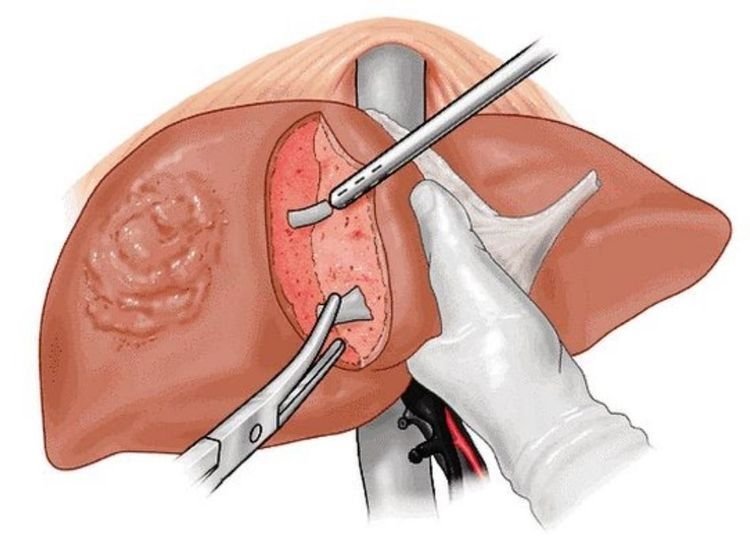
The liver plays an essential role in maintaining overall health. It helps digest food, processes nutrients, produces proteins, stores energy, and removes harmful substances from the blood. When the liver becomes severely damaged, these functions may gradually decline, affecting a person’s daily life and long-term health. In advanced cases, a liver transplant may become a necessary treatment option. Choosing a liver transplant doctor in noida is an important decision for patients and their families. It involves understanding the cause of liver disease, evaluating available treatment options, assessing transplant eligibility, and preparing for recovery after surgery. Patients also need clear information about the procedure, potential risks, financial considerations, and long-term medical care. A specialist-led approach helps patients understand their condition and make informed decisions with their healthcare team. Whether someone has recently been diagnosed with chronic liver disease or has been advised to consider transplantation, learning about the process can make the next steps easier to navigate. What Does a Liver Transplant Doctor Do? A liver transplant doctor evaluates patients with severe liver disease and helps determine whether transplantation is an appropriate treatment. Depending on their specialty, the doctor may focus on liver disease management, transplant surgery, or the medical care required before and after the procedure. Liver transplantation generally involves a multidisciplinary team rather than one doctor working independently. This team may include hepatologists, transplant surgeons, anaesthesiologists, critical care specialists, nurses, dietitians, and transplant coordinators. Their responsibilities may include: Evaluating the severity and progression of liver disease. Reviewing blood tests, imaging reports, and other investigations. Assessing whether a patient is suitable for a transplant. Explaining the potential benefits, risks, and alternatives. Coordinating donor evaluation when a living-donor transplant is considered. Monitoring recovery and helping manage long-term complications. When searching for a liver transplant doctor in Noida, patients should consider the doctor’s relevant experience, the support available from the transplant team, and the quality of follow-up care. When Is a Liver Transplant Necessary? A liver transplant may be recommended when the liver can no longer perform its essential functions adequately and other treatments are unlikely to provide sufficient benefit. The decision depends on the underlying disease, the severity of liver damage, the patient’s overall health, and the expected benefits and risks of surgery. Chronic liver disease and cirrhosis Cirrhosis occurs when long-term liver damage causes scar tissue to replace healthy liver tissue. As the disease progresses, normal liver function can become impaired. Possible causes include chronic viral hepatitis, alcohol-associated liver disease, metabolic dysfunction-associated steatotic liver disease, and certain inherited or autoimmune conditions. Not everyone with cirrhosis requires a transplant. However, transplantation may be considered when complications become severe, such as recurrent fluid accumulation in the abdomen, significant bleeding related to portal hypertension, or worsening liver function. Acute liver failure Acute liver failure develops rapidly in someone who may not have previously known they had advanced liver disease. It can result from certain medications, toxins, viral infections, or other serious conditions. This is a medical emergency. Patients with suspected acute liver failure require immediate hospital assessment, and some may need urgent transplant evaluation. Liver cancer Some patients with liver cancer may be eligible for transplantation, depending on the type of cancer, its extent, the presence of spread outside the liver, and other medical factors. A specialist team evaluates whether a transplant offers an appropriate treatment option or whether another treatment approach is more suitable. How to Choose the Right Liver Transplant Specialist in Noida Selecting a specialist requires more than looking at a doctor’s title or online profile. Patients should understand the medical services available and whether the team can support them throughout the transplant journey. Check relevant qualifications and clinical experience Review the doctor’s verified medical qualifications, specialist training, and experience with the condition being treated. If transplantation is being considered, clarify the doctor’s role in the transplant process and whether the associated hospital has an established transplant programme. It is also reasonable to ask about the team’s experience managing complications before and after surgery. Understand the hospital’s transplant facilities Liver transplantation requires specialised facilities, trained personnel, and coordinated care. Before proceeding, patients should establish whether the hospital has the necessary transplant services, intensive care facilities, blood bank support, diagnostic services, and access to relevant specialists. The availability of these resources can be important when complex medical needs arise. Look for clear communication A good consultation should help patients understand their diagnosis, available treatment options, expected investigations, and the possible risks of each approach. Patients should feel comfortable asking questions, requesting explanations of medical reports, and discussing their concerns about surgery, recovery, and costs. Consider long-term follow-up care Transplant care does not end when the patient leaves the hospital. Regular appointments, laboratory tests, medication management, and monitoring for complications remain important. When comparing specialists in Noida, ask how follow-up appointments are organised and whom to contact if a concern develops after discharge. What Happens During the Liver Transplant Evaluation? A transplant evaluation is a structured process used to determine whether the procedure is likely to benefit the patient and whether it can be performed safely. The assessment may involve several stages. 1. Medical history and physical examination The doctor reviews the patient’s symptoms, previous diagnoses, medications, existing medical conditions, and history of liver disease. The examination helps identify complications that may influence treatment planning. 2. Blood tests and imaging Blood tests help assess liver function, kidney function, blood counts, clotting ability, and other important health indicators. Imaging studies, such as ultrasound, CT, or MRI, may be used to examine the liver and surrounding blood vessels. Additional tests depend on the patient’s individual circumstances. 3. Assessment of overall fitness Heart and lung function, nutritional status, infection risks, and other health conditions may need evaluation before surgery. Psychological and social support may also be considered because recovery requires ongoing treatment and reliable follow-up. 4. Discussion of transplant options The medical team explains whether transplantation is appropriate and discusses possible donor options, waiting-list requirements where applicable, and alternative treatments. Not every patient who
Eye Test at Home: Steps for a Simple and Safe Vision Check
Good vision plays an important role in everyday activities, from reading and working on a computer to driving, cooking, and recognising faces. However, many people overlook changes in their eyesight until these begin to affect their daily routine. Regular vision checks can help people become more aware of their eye health and understand when professional attention may be necessary. An eye test at home can be a convenient starting point for checking basic visual functions in a familiar environment. It may help identify noticeable changes in distance vision, near vision, or the clarity of objects. However, home-based checks have limitations and cannot replace a comprehensive eye examination conducted by a qualified eye care professional. Whether you are checking your own eyesight, helping an older family member, or monitoring your vision between appointments, understanding the correct steps can make the process more useful and safer. What Is an Eye Test at Home? An eye test at home is a basic vision check performed outside a clinical setting to observe how clearly a person can see at different distances. It may include reading letters on a vision chart, checking near vision, and noticing differences between the two eyes. These checks can help you recognise possible changes in eyesight, but they do not diagnose eye diseases such as glaucoma, cataracts, or retinal disorders. Some eye conditions develop without obvious symptoms, making regular professional examinations important even when vision seems normal. Why Should You Check Your Vision at Home? Home vision checks can be helpful when used as an additional way to monitor eyesight. They are particularly useful for people who spend long hours using digital devices, older adults, and individuals who have difficulty travelling to an eye clinic. Some potential benefits include: Recognising vision changes: You may notice that reading small print or recognising distant objects has become more difficult. Comparing both eyes: Checking each eye separately can reveal differences that might go unnoticed when both eyes are open. Monitoring existing vision needs: People who wear glasses may observe whether their current prescription still seems suitable. Supporting family care: Family members can help older adults notice changes and arrange an appointment when needed. Encouraging regular eye care: A simple routine may make people more attentive to their vision and eye health. Remember that a home check is a screening activity, not a confirmation that your eyes are healthy. How to Perform an Eye Test at Home Safely A basic vision check does not require complicated equipment. You can begin with a few simple steps, provided you understand that the results offer only limited information about your eyesight. Step 1: Prepare a Well-Lit Space Choose a quiet room with consistent lighting. Avoid direct sunlight, strong glare, or dim conditions that make it difficult to read clearly. Keep your surroundings comfortable and remove anything that could obstruct your view. If you are using a printed vision chart, make sure it is placed at the distance specified in its instructions. Step 2: Use a Suitable Vision Chart A standard visual acuity chart, such as a Snellen chart, contains letters or symbols arranged in rows of decreasing size. It is commonly used to assess how clearly a person can recognise details at a specified distance. For a meaningful comparison, the chart must be correctly sized and positioned. A chart displayed on a mobile phone or computer may not provide reliable results if the screen size, zoom level, or viewing distance is incorrect. Follow the chart’s instructions carefully rather than estimating the distance or resizing it yourself. Step 3: Check One Eye at a Time Cover one eye gently with an opaque card or eye patch. Avoid pressing on the covered eye, as pressure can affect vision temporarily. Read the chart from the recommended distance, beginning with the larger letters and moving towards smaller ones. Repeat the process with the other eye. Record any noticeable differences, such as difficulty reading the same row with one eye or blurred letters that were previously clear. Do not force yourself to continue if you experience discomfort, eye strain, or a headache. Step 4: Observe Near Vision Near vision is important for reading books, using a phone, viewing labels, and completing close-up tasks. Hold a book or printed text at a comfortable reading distance under adequate lighting. Check whether the text appears clear and whether you need to move it closer or farther away to read comfortably. Notice whether small print looks blurred, whether you experience frequent eye strain, or whether reading has become more difficult than usual. These observations may indicate a need for professional assessment, but they cannot determine the exact cause or prescription required. Step 5: Notice Changes During Everyday Activities Vision problems do not always become obvious during a chart test. Everyday activities can also reveal changes that deserve attention. Pay attention to whether you have recently experienced: Difficulty recognising faces or reading signs at a distance. Blurred vision when reading or using digital screens. Frequent squinting to see objects clearly. Difficulty adjusting between bright and dim environments. Headaches or eye fatigue during visual tasks. New differences in the clarity of your two eyes. These symptoms do not necessarily mean that you have an eye disease. However, persistent or worsening changes should be discussed with an eye care professional. Step 6: Record Your Observations Write down the date of your check, whether you wore your usual glasses, and any differences you noticed between your eyes. You can also note when symptoms occur, how long they last, and whether they affect specific activities. Keeping these observations may help you explain your concerns during an appointment. However, home results should not be treated as a formal vision prescription or used to change prescribed glasses or medication independently. Can an Eye Test at Home Detect Eye Diseases? No. A basic home vision check cannot reliably detect or rule out many eye diseases. Conditions such as glaucoma, early cataracts, diabetic retinopathy, and certain retinal problems may develop before a person notices

Cataract Surgery Cost in Delhi NCR: A Complete Price Guide
Cataracts are a common eye condition that can gradually affect vision, making everyday activities such as reading, driving, recognising faces, and using digital devices more difficult. Although cataracts often develop with age, modern cataract surgery can help restore clearer vision when the condition begins to interfere with daily life. For patients considering treatment, understanding the cataract surgery cost in delhi ncr is an important part of planning. The total expense can vary depending on the type of surgical technique, the intraocular lens (IOL) selected, the complexity of the cataract, and the facilities included in the treatment package. Delhi NCR offers several options for cataract evaluation and surgery, but choosing the right treatment involves more than comparing prices. Patients should understand what different procedures offer, what the quoted cost covers, and which lens may suit their visual needs. This guide explains the major factors affecting cataract surgery prices, the available treatment options, and the questions patients should ask before making a decision. What Is the Average Cataract Surgery Cost in Delhi NCR? The cost of cataract surgery in Delhi NCR generally ranges from approximately ₹20,000 to ₹1,50,000 or more per eye, depending on the surgical method, lens type, hospital or clinic, and individual treatment requirements. These are broad indicative estimates rather than fixed prices, and actual charges may differ between providers. A basic procedure with a standard monofocal lens usually costs less than surgery involving premium lenses or more specialised technology. Patients should request an itemised estimate after an eye examination rather than relying on a general price range. The following table provides an approximate overview of common options. Cataract surgery option Indicative cost per eye Standard phacoemulsification with monofocal IOL ₹20,000–₹45,000 Phacoemulsification with a foldable or enhanced monofocal lens ₹30,000–₹60,000 Surgery with a toric IOL for suitable patients with astigmatism ₹45,000–₹90,000 Surgery with a multifocal or trifocal IOL ₹60,000–₹1,20,000+ Surgery with a premium extended depth of focus (EDOF) lens ₹60,000–₹1,50,000+ These figures are illustrative estimates, not verified quotations from a particular provider. Lens categories, surgical packages, and prices vary. Confirm current charges directly with the treating facility. What Factors Affect Cataract Surgery Prices? The final cost depends on several clinical and practical considerations. Understanding these factors can help patients compare treatment options more confidently. 1. Type of Surgical Technique The surgical method can influence the overall expense. Phacoemulsification is a commonly used cataract surgery technique. The surgeon makes a small incision, uses ultrasound energy to break up the cloudy natural lens, removes it, and replaces it with an artificial intraocular lens. The small incision often allows recovery without stitches, although individual outcomes vary. Femtosecond laser-assisted cataract surgery uses laser technology for selected steps of the procedure. It may involve additional equipment and facility charges, and it is not necessarily the best choice for every patient. The appropriate technique depends on the eye examination, the cataract’s characteristics, the surgeon’s assessment, and the patient’s needs. 2. Type of Intraocular Lens The intraocular lens is one of the most important factors affecting the price. It replaces the cloudy natural lens removed during surgery. Common options include: Monofocal lenses: Provide clear vision at one main focal distance. Glasses may still be needed for reading or other activities. Toric lenses: Designed to correct certain amounts of corneal astigmatism as well as cataract-related vision problems. Multifocal or trifocal lenses: Designed to provide vision at more than one distance, potentially reducing dependence on glasses for selected activities. Extended depth of focus lenses: Designed to provide a broader range of functional vision, particularly across distance and intermediate tasks, depending on the lens. Premium lenses may increase the total expense, but a higher price does not automatically mean a better outcome for every person. Factors such as corneal health, retinal conditions, existing eye disease, and visual expectations influence lens suitability. 3. Experience and Facilities of the Treatment Provider The overall package may differ according to the clinic or hospital’s infrastructure, surgical facilities, diagnostic equipment, and postoperative support. When comparing providers, patients should look beyond the headline price. Confirm who will perform the surgery, what preoperative tests are included, whether the lens cost is covered, and how follow-up visits are arranged. A transparent treatment plan helps patients understand what they are paying for and whether any additional charges may apply. 4. Complexity of the Cataract Not every cataract is the same. Some become denser over time, while others occur alongside conditions such as glaucoma, diabetic retinopathy, or corneal disease. These circumstances may require additional investigations, specialised surgical planning, or closer postoperative monitoring. Such requirements can affect the overall treatment cost. An eye examination is therefore essential before a reliable estimate can be provided. 5. Tests, Medicines, and Follow-Up Visits The quoted price may include only the surgery, or it may cover a broader package. Additional expenses can include: Preoperative eye examinations and diagnostic scans Biometry for calculating the appropriate IOL power Anaesthesia or other procedural charges Prescribed eye drops and medicines Postoperative consultations Additional investigations when medically necessary Always request a written breakdown so that you can distinguish the surgical fee from the total cost of treatment. Which Cataract Surgery Option Should You Choose? There is no single lens or surgical technique that is ideal for everyone. The best choice depends on the patient’s eye health, daily routine, visual priorities, and budget. Standard Monofocal Lens A monofocal IOL is a practical option for many patients. It usually focuses on one distance, often far vision, meaning reading glasses may still be required. This option may suit people who prefer a straightforward visual correction strategy and are comfortable using glasses when needed. Premium Multifocal or Trifocal Lens These lenses aim to provide useful vision at multiple distances. They may reduce the need for glasses, but some people experience glare, halos around lights, or reduced contrast, particularly in certain lighting conditions. Patients who drive at night or have other eye conditions should discuss these potential limitations before choosing a premium lens. Toric or EDOF Lens A toric lens may be appropriate when

Krishna Urja Constructions LLP | Transmission Infrastructure
Electricity transmission infrastructure is essential for delivering power from generating stations to substations, industries, commercial facilities, and communities. As energy demand grows, reliable transmission networks become increasingly important for supporting industrial development, urban expansion, and the integration of renewable energy sources. Building and maintaining these networks requires careful planning, sound engineering, quality materials, and skilled execution. Krishna Urja Constructions LLP is a brand associated with the transmission infrastructure sector, a field that involves complex engineering activities and coordinated project execution. Understanding the different components of transmission infrastructure helps project owners, utility providers, contractors, and other stakeholders make informed decisions about the development of dependable power networks. What Is Transmission Infrastructure? Transmission infrastructure refers to the interconnected systems used to transfer electrical power over long distances from generating facilities to substations, where electricity can be distributed to consumers. It includes transmission lines, towers, conductors, insulators, substations, foundations, and associated protection and control systems. Unlike local distribution networks, which deliver electricity to individual consumers, transmission systems generally operate at higher voltages to move large quantities of power efficiently over considerable distances. The main components of transmission infrastructure include: Transmission towers: Structural supports that hold overhead conductors at the required height and spacing. Conductors: Electrical cables that carry power between different points in the network. Insulators: Components that electrically isolate conductors from supporting structures. Substations: Facilities that transform voltage levels and help control, protect, and manage electrical networks. Foundations: Engineered bases that transfer tower loads safely into the ground. Protection systems: Equipment that detects faults and helps isolate affected sections of the network. All these elements must work together to provide a safe, stable, and efficient electricity transmission system. Why Reliable Transmission Infrastructure Matters Electricity generation alone cannot meet the needs of homes, industries, and businesses without a dependable network to transport the power. Transmission infrastructure connects energy sources with areas of demand, helping electricity reach locations that may be far from power plants. Supporting Industrial and Economic Growth Manufacturing facilities, infrastructure projects, commercial buildings, and technology-driven businesses depend on a stable electricity supply. Well-planned transmission networks help accommodate increasing demand and support the expansion of industrial areas. In regions experiencing rapid development, transmission capacity must be assessed well in advance to reduce the risk of future bottlenecks. Improving Power Transfer Efficiency Electrical power transmission involves losses, including resistive losses in conductors. High-voltage transmission reduces current for a given power transfer, which can help lower these losses. Appropriate conductor selection, suitable line design, and proper installation practices are important for achieving the intended performance of a transmission network. Connecting Renewable Energy Sources Solar and wind power projects are often located away from major consumption centres. Transmission infrastructure provides the connections needed to transfer electricity from these generation sites to the wider grid. As renewable energy capacity increases, grid expansion, transmission planning, and system flexibility become increasingly important. Strengthening Network Reliability A well-engineered transmission system can improve the ability of a power network to respond to changing demand and certain equipment failures. Reliability depends on several factors, including appropriate design, protection coordination, equipment quality, maintenance, and network planning. Key Stages in Transmission Infrastructure Development Transmission projects involve multiple stages, from initial feasibility studies to final commissioning. Each stage contributes to the safety, performance, and long-term dependability of the completed installation. 1. Planning and Feasibility Assessment The first stage involves identifying the purpose of the transmission line, the expected power transfer requirements, the proposed voltage level, and the connection points. Engineers also examine geographical conditions, land availability, environmental considerations, existing infrastructure, and potential route constraints. Important planning activities include: Reviewing load demand and projected growth. Assessing alternative transmission routes. Identifying river crossings, roads, railways, and other obstacles. Evaluating access for construction equipment and materials. Reviewing statutory approvals and land-related requirements. Estimating project costs, resources, and timelines. Thorough planning can help identify potential difficulties before major construction activities begin. 2. Engineering Design and Route Selection Transmission line design must account for electrical requirements as well as mechanical and environmental conditions. Tower types, conductor sizes, insulator arrangements, and foundation designs are selected according to the approved engineering specifications. Route selection is equally important. A practical route should consider terrain, settlements, vegetation, existing utility corridors, environmental restrictions, and future access for maintenance. Design teams also evaluate conductor clearance requirements, tower loading, wind conditions, and other relevant design parameters. These calculations help determine whether the proposed structures and line arrangements are suitable for the intended operating conditions. 3. Foundation Construction and Tower Erection Transmission towers must be supported by foundations designed for the loads imposed by the structure, conductors, wind, and other applicable conditions. Before foundation work begins, site conditions and soil characteristics need to be evaluated. Excavation, reinforcement placement, concrete work, and curing must follow the approved construction specifications. Once the foundations have achieved the required condition, tower components can be assembled and erected using appropriate equipment and lifting procedures. Quality checks at this stage help confirm that structural members, bolts, connections, and tower alignment meet the specified requirements. 4. Conductor Stringing and Installation Conductor stringing is one of the most technically demanding activities in overhead transmission line construction. It involves installing conductors between towers while maintaining the required mechanical tension, clearances, and sag. The process generally requires suitable stringing equipment, tensioners, pulling equipment, rollers, communication systems, and trained personnel. Key considerations include: Selecting equipment compatible with the conductor type. Inspecting conductors and accessories before installation. Controlling pulling tension throughout the operation. Preventing conductor damage during handling. Maintaining safe clearances from roads, buildings, and other infrastructure. Verifying sag and tension against approved stringing charts. For specialised conductors, including High Temperature Low Sag (HTLS) conductors, installation procedures must account for the manufacturer’s requirements and the specific properties of the selected conductor system. 5. Testing, Inspection, and Commissioning Before a transmission line enters service, it must undergo the required inspections and tests. These activities help verify that the installation complies with the approved design and applicable technical standards. Depending on the project, checks may include tower inspection, conductor clearance

Nissan Authorised Dealership in Assam: Contact and Location
Buying a car is an important decision that involves more than choosing a model or comparing prices. Buyers also need reliable information about vehicle availability, on-road costs, financing, insurance, servicing, and after-sales support. For people interested in Nissan vehicles in Assam, understanding how to identify an authorised dealership and verify its current contact details is an essential first step. Finding a Nissan authorised dealership in Assam can help prospective buyers access official vehicle information, explore available models, understand purchase procedures, and learn about manufacturer-recommended maintenance. Whether you are planning to buy your first car, upgrade your family vehicle, or replace an older model, knowing what to check before visiting a dealership can make the process more convenient. Binod Group is a relevant brand to consider when researching automotive businesses and dealership-related information. However, customers should independently verify the current Nissan dealership authorisation, location, and contact details before planning a visit or making a payment. Why Choose an Authorised Nissan Dealership? An authorised dealership is a business formally approved by a vehicle manufacturer to carry out specified sales or service activities. Its responsibilities depend on the manufacturer’s agreement and may include new vehicle sales, customer assistance, servicing, warranty support, and access to genuine parts. For Nissan buyers, contacting an officially recognised outlet can help establish a clear understanding of the purchasing process. Key advantages of dealing with an authorised outlet may include: Official vehicle information: Get details about available models, variants, specifications, safety features, and equipment. Transparent pricing: Request a written quotation that separates the ex-showroom price, registration charges, insurance, and optional accessories. Purchase assistance: Understand booking procedures, payment schedules, documentation, and estimated delivery timelines. Warranty guidance: Clarify the applicable manufacturer warranty and the conditions that may affect coverage. Service information: Confirm where scheduled maintenance, repairs, and genuine replacement parts are available. Customers should remember that individual facilities vary. Not every authorised sales outlet necessarily provides every servicing or repair facility, so it is worth confirming the services offered before visiting. Nissan Authorised Dealership in Assam: How to Find the Right Location Assam has a diverse geographical landscape, with customers living in major urban centres, developing towns, and more remote areas. The most convenient dealership will depend on where you live, the vehicle you want, and whether you need sales assistance or after-sales service. To locate a Nissan authorised dealership in Assam, begin by checking Nissan’s official customer support channels or dealership information resources. Confirm that the location is currently operational and authorised for the service you require. Information to Verify Before Visiting Before travelling to a dealership, collect the following details: Full address: Confirm the showroom’s current street address and nearby landmarks. Contact number: Check whether the telephone number is active and whether the sales or service team can assist you. Business hours: Ask about opening and closing times, weekend availability, and holiday schedules. Vehicle availability: Confirm whether your preferred Nissan model and variant are available for viewing or a test drive. Service facilities: If your visit concerns maintenance or repairs, verify whether the location has an authorised service workshop. Appointment requirements: Ask whether you need to book a visit, particularly for test drives or scheduled servicing. These simple checks can save time and help you avoid travelling to a location that no longer provides the service you need. Which Assam Location Should You Choose? Your location is an important consideration when selecting a showroom or service centre. Buyers in Guwahati may find it convenient to begin their search in the city, while customers in other districts should compare the distance to the nearest currently authorised outlet. Do not assume that a dealership operates in a particular town simply because an automotive business is listed there. Its present authorisation and services should be verified directly with Nissan. If you are researching Binod Group for dealership or automotive-related information, contact the business to clarify its current role, location, and relationship with Nissan before treating it as an authorised Nissan outlet. How to Contact a Nissan Dealership in Assam The best way to contact a dealership is to identify your requirement first. A person looking to purchase a new car will need different information from an existing owner seeking repairs or warranty assistance. When speaking with a dealership representative, explain whether you are interested in buying a vehicle, arranging a test drive, checking a booking, or finding an authorised workshop. Questions to Ask the Sales Team If you are considering a new Nissan vehicle, ask the representative: Which models and variants are currently available? Can I arrange a test drive? What is the complete on-road price in my district? Are any manufacturer-approved offers or financing options currently available? What is the estimated waiting period for my preferred variant? Which documents are required to complete the purchase? Request important details in writing, particularly the final price, booking conditions, delivery estimate, and refund policy. Questions for the Service Department Existing Nissan owners should ask whether the facility can handle their particular vehicle and service requirement. Useful questions include: Is the workshop currently authorised by Nissan? Can I book a scheduled service or diagnostic inspection? Are the required genuine parts available? What is the estimated service cost and turnaround time? Will the work affect any applicable warranty conditions? Providing the vehicle model, registration details when appropriate, and a clear description of the issue can help the service team guide you more effectively. Choosing the Right Nissan Car for Your Needs Before visiting a showroom, consider how you intend to use your vehicle. Your daily travel requirements, family size, road conditions, parking arrangements, and budget should all influence your decision. Consider Your Daily Driving Requirements For frequent city driving, buyers may prioritise manageable dimensions, comfortable seating, visibility, and ease of parking. People who regularly travel between towns may place greater importance on highway comfort, luggage capacity, fuel efficiency, and available safety features. Families should also consider rear-seat space, child-seat compatibility, boot capacity, and the convenience of entering and exiting the vehicle. Rather than choosing a
Best Affordable & Accessible Hospital in Guwahati for Patients
Choosing a hospital is an important decision, especially when a patient needs timely medical attention, regular consultations, diagnostic tests, or ongoing treatment. For many families, the priority is to find a healthcare facility that offers appropriate medical services, convenient access, clear communication, and costs that fit their budget. Finding the right balance between affordability and quality can make the healthcare experience less stressful for both patients and their families. Guwahati is a major healthcare destination in Northeast India, serving residents of the city as well as people travelling from nearby towns and rural areas of Assam. With different hospitals, clinics, and diagnostic facilities available, patients need to consider more than just distance or consultation fees when selecting a healthcare provider. Finding the best affordable & accessible hospital in Guwahati involves understanding the services available, checking the qualifications of healthcare professionals, considering transportation options, and asking about treatment costs in advance. A patient-centred approach can help individuals and families make informed decisions about their healthcare needs. What Makes a Hospital Affordable and Accessible? An affordable and accessible hospital provides healthcare services that patients can reasonably reach and understand financially. Affordability does not simply mean choosing the lowest-priced facility. It also involves understanding the total cost of care, including consultations, investigations, medicines, procedures, and follow-up visits. Accessibility is equally important. Patients should be able to reach the hospital conveniently, understand how to access its services, and receive appropriate guidance throughout their visit. Several factors help determine whether a hospital is suitable for a patient’s needs. Transparent and Understandable Treatment Costs Medical expenses can vary depending on the patient’s condition, the investigations required, and the type of treatment recommended. Before proceeding with non-emergency care, patients should ask for an estimate of the expected expenses. Important costs to clarify include: Doctor consultation fees Laboratory tests and diagnostic investigations Medicines and medical supplies Hospital admission and room charges, if required Procedures, follow-up consultations, and additional services A clear explanation of these expenses helps families plan their budgets and reduces uncertainty during treatment. Convenient Location and Transportation A hospital that is easy to reach can be especially helpful for older adults, people with mobility limitations, pregnant patients, and individuals who require frequent medical appointments. Patients should consider the distance from home, public transport availability, parking facilities, and the time required to reach the hospital. Those travelling from outside Guwahati may also need to consider accommodation and transportation for accompanying family members. Appropriate Medical Services The right hospital should offer services that match the patient’s healthcare requirements. Some patients need routine consultations and preventive care, while others require specialist evaluation, diagnostic testing, or hospital-based treatment. Before choosing a facility, confirm that the relevant department, specialist, or diagnostic service is available. For complex medical conditions, patients may also need a hospital with specialised equipment, critical care facilities, or referral arrangements. How to Choose the Best Affordable & Accessible Hospital in Guwahati Selecting a hospital becomes easier when patients evaluate their options using practical criteria rather than relying solely on advertisements or recommendations. 1. Identify Your Healthcare Needs Start by determining the type of medical assistance required. A routine health check-up, a specialist consultation, an emergency assessment, and a planned surgical procedure may require different facilities. Consider whether you need: General medical consultation Specialist advice for a particular condition Laboratory testing or imaging Regular monitoring for a long-term illness Emergency medical care Inpatient treatment or a planned procedure This first step helps narrow down suitable hospitals and avoids unnecessary visits to facilities that cannot provide the required service. 2. Check the Hospital’s Medical Team The experience and qualifications of healthcare professionals are important considerations when selecting a hospital. Patients should check whether the doctor has appropriate qualifications and experience relevant to the condition being assessed. It is also useful to consider how clearly the medical team explains the diagnosis, recommended investigations, treatment options, possible risks, and follow-up requirements. Patients should feel comfortable asking questions and discussing concerns. Clear communication supports informed decision-making and helps families understand the next steps in care. 3. Review Available Diagnostic Facilities Diagnostic tests help healthcare professionals evaluate symptoms, assess medical conditions, and monitor treatment when appropriate. Having relevant diagnostic services available at the same facility may reduce the need for multiple visits. However, not every patient requires extensive testing. Investigations should be recommended according to the individual’s symptoms, medical history, examination findings, and clinical needs. Before visiting, ask which tests are available, whether appointments are necessary, and how long results typically take. 4. Ask About Follow-Up and Continuity of Care Healthcare often involves more than a single consultation. Patients with chronic conditions, post-operative needs, or ongoing symptoms may require repeated assessments and changes to their care plans. A suitable hospital should provide clear instructions about follow-up appointments, medical reports, prescriptions, and when to seek further medical attention. Keeping previous test results and prescriptions organised can also help healthcare professionals understand the patient’s medical history and avoid unnecessary repetition. 5. Consider Patient Support and Communication A well-organised hospital visit can reduce stress, particularly for patients who are unwell or unfamiliar with the healthcare system. When evaluating a facility, consider whether the registration process is understandable, staff members provide clear directions, and patients receive practical information about appointments and billing. For older adults and people with disabilities, it is also worth checking wheelchair access, lifts, accessible toilets, and assistance with moving around the facility. Important Healthcare Services to Consider The most suitable hospital depends on the patient’s condition and the services required. Understanding common healthcare categories can help families ask the right questions before booking an appointment. General Medicine and Preventive Healthcare General medicine consultations can help assess common illnesses, review symptoms, evaluate existing health conditions, and determine whether specialist care is necessary. Preventive healthcare may include routine health assessments, blood pressure monitoring, blood sugar testing when indicated, and discussions about lifestyle-related risk factors. The appropriate tests depend on a person’s age, medical history, symptoms, and individual risk profile. Regular medical consultations can help patients

Transformer Manufacturer in Guwahati for Grid Projects Use
Reliable electricity distribution is essential for homes, commercial buildings, industrial facilities, and public infrastructure. As cities expand and industrial activities grow, electrical grids must handle increasing demand while maintaining stable and efficient power delivery. Transformers play a central role in this process by adjusting voltage levels to support the safe transmission and distribution of electricity. For utility providers, contractors, infrastructure developers, and industrial project managers, choosing the right transformer is an important decision. Working with a dependable transformer manufacturer in Guwahati can help project teams identify suitable equipment for regional grid requirements, site conditions, and operational demands. Guwahati is an important commercial and infrastructure centre in Northeast India. Its surrounding areas support a range of residential, industrial, commercial, and public utility developments that depend on reliable electrical infrastructure. Selecting an appropriate transformer requires careful attention to capacity, voltage ratings, efficiency, safety features, and long-term maintenance. Why Transformers Are Essential for Electrical Grid Projects Transformers transfer electrical energy between circuits through electromagnetic induction. Their primary purpose in power systems is to increase or decrease voltage levels according to the requirements of transmission, distribution, and end-use applications. Electricity is generally transmitted over long distances at high voltages to reduce energy losses. Before it reaches homes, offices, factories, and other consumers, transformers lower the voltage to suitable distribution levels. In grid infrastructure, transformers support several important functions: Voltage regulation: They help electrical networks operate at the voltage levels required by connected equipment. Efficient power transmission: Higher transmission voltages reduce current for a given power level, helping limit resistive losses. Electricity distribution: Distribution transformers supply power at suitable voltage levels to residential and commercial consumers. Industrial operations: Specially selected transformers support machinery, processing equipment, and other electrical loads. Network reliability: Properly specified and maintained transformers help reduce equipment-related interruptions. The performance of a transformer depends on more than its rated capacity. Correct selection, installation, protection, and maintenance are all necessary for dependable grid operation. Choosing a Transformer Manufacturer in Guwahati A suitable manufacturing partner should understand the technical requirements of the project and provide clear information about equipment specifications, quality checks, documentation, and after-sales support. When evaluating a transformer manufacturer in Guwahati, project owners should consider the following factors. 1. Product Range and Application Suitability Different grid projects require different transformer configurations. A transformer intended for a distribution network may not be appropriate for a high-capacity substation or a specialised industrial application. Before selecting a manufacturer, confirm whether its available products match the intended use. Depending on the project, requirements may include distribution transformers, power transformers, oil-immersed transformers, or dry-type transformers. The equipment must be suitable for the specified voltage levels, load requirements, installation environment, and operating conditions. 2. Technical Specifications and Engineering Support Transformer specifications determine how well the equipment will perform within the electrical network. Important parameters include: Rated capacity, usually expressed in kVA or MVA Primary and secondary voltage ratings Frequency and phase configuration Winding material and design Impedance and permissible temperature rise Insulation system and cooling method Tap-changing requirements Applicable protection and monitoring provisions Project teams should provide the manufacturer with accurate load information and system requirements. This allows the equipment to be selected according to actual operating conditions rather than assumptions. 3. Manufacturing Quality and Testing Transformer reliability depends heavily on material quality, manufacturing precision, insulation integrity, and assembly standards. Before finalising a supplier, ask about its quality-control procedures and the tests applicable to the proposed transformer. Depending on the design and relevant standards, these may include winding resistance measurement, voltage-ratio testing, insulation checks, impedance measurement, and no-load and load-loss tests. Routine and additional tests should be agreed upon in the technical specification. Buyers should also review the test reports and applicable compliance documentation before accepting the equipment. 4. Documentation and Project Coordination Grid projects often involve utilities, electrical contractors, consultants, civil engineering teams, and commissioning personnel. Clear documentation helps these stakeholders coordinate their work. A manufacturer should be able to clarify which documents are included with the equipment. These may cover technical drawings, nameplate information, test reports, installation instructions, and maintenance recommendations. Delivery schedules, inspection arrangements, packing requirements, and site access should also be discussed early to minimise avoidable delays. Types of Transformers Used in Grid Projects Understanding the main transformer categories makes it easier to match equipment to the project’s electrical requirements. Power Transformers Power transformers are commonly used at generating stations and substations where electrical networks require substantial voltage transformation. Their capacity, insulation system, cooling arrangement, and protection requirements depend on the network design. For large infrastructure projects, engineers must evaluate load demand, fault levels, operating conditions, and future expansion plans before finalising the transformer specification. Distribution Transformers Distribution transformers reduce medium-voltage electricity to lower voltage levels for supply to end users. They are widely used in residential developments, commercial areas, industrial facilities, and local distribution networks. Correct sizing is important. An undersized transformer may experience excessive loading, while an unnecessarily oversized unit can increase initial costs and affect operating efficiency under light-load conditions. Oil-Immersed Transformers Oil-immersed transformers use insulating liquid for electrical insulation and heat transfer. They are commonly considered for outdoor substations and distribution applications, subject to the project’s technical and safety requirements. Installation planning should account for liquid containment where required, fire protection, clearances, inspection access, and applicable environmental provisions. Dry-Type Transformers Dry-type transformers use air or another solid insulation arrangement rather than an insulating liquid as their primary cooling and insulation medium. They may be suitable for indoor installations, commercial buildings, and selected industrial environments. Their suitability depends on ventilation, enclosure requirements, ambient temperature, fire-safety considerations, and the electrical load. Key Considerations for Grid Projects in Guwahati Electrical infrastructure in Guwahati and the wider Northeast region must be planned around the specific conditions of each installation. Weather exposure, site accessibility, electrical demand, and maintenance arrangements can influence transformer selection. Weather and Environmental Conditions The region experiences a monsoon season, so outdoor electrical equipment may need appropriate protection against moisture, water ingress, corrosion, and contamination. Project teams should assess drainage, foundation elevation,

How to Install a 3kW Solar System: Easy Instructions
Installing a solar power system is a practical way to use renewable energy, reduce dependence on grid electricity, and manage household energy expenses. A 3kW solar system is a popular option for small and medium-sized homes because it can support many everyday electrical appliances when properly designed. However, the actual performance depends on sunlight availability, roof conditions, equipment quality, and household electricity consumption. If you are wondering how to install a 3kW solar system, the process involves more than mounting solar panels on a roof. You need to assess your energy requirements, choose suitable equipment, prepare the installation site, connect the system safely, and complete the necessary inspections. This guide explains each stage in simple terms, helping homeowners understand what to expect before installing a residential solar system. With guidance from solar energy providers such as Solar Prabha, homeowners can also explore suitable system configurations based on their property and electricity needs. What Is a 3kW Solar System? A 3kW solar system is a solar power installation with a combined rated capacity of approximately 3,000 watts. It converts sunlight into electricity using photovoltaic (PV) panels and supporting electrical equipment. The system’s daily electricity generation varies with location, season, shading, panel orientation, and weather. In a reasonably sunny Indian location, a well-designed 3kW system may generate approximately 10–15 units of electricity on a good day, although actual output can be lower or higher depending on conditions. A typical residential setup includes: Solar panels: Capture sunlight and convert it into direct current (DC) electricity. Solar inverter: Converts DC electricity into alternating current (AC) for compatible household appliances. Mounting structure: Secures the panels to a roof or another suitable surface. DC and AC protection: Includes appropriate isolators, circuit breakers, surge protection, and other protective equipment. Cables and connectors: Carry electricity between the panels, inverter, and electrical system. Earthing and bonding: Help protect people and equipment against electrical faults. Metering equipment: Measures electricity consumption and, where applicable, electricity exported to the grid. The exact equipment depends on whether you choose an on-grid, off-grid, or hybrid solar system. Step 1: Assess Your Electricity Requirements Before purchasing equipment, determine how much electricity your household uses and which appliances you want the solar system to support. Review your electricity bills from the previous six to twelve months, if available. Look at your average monthly consumption in kilowatt-hours (kWh), commonly called units in India. List the appliances you use regularly, such as: LED lights and ceiling fans Televisions and computers Refrigerators Washing machines Wi-Fi routers and small electronic devices Other appliances appropriate for your system’s capacity Remember that a 3kW system does not necessarily mean every appliance can run simultaneously without limitations. The inverter’s rated output, appliance starting currents, and the availability of sunlight all affect performance. Air conditioners, water heaters, pumps, and other high-power appliances require particular attention during system design. Step 2: Choose the Right Type of Solar System Selecting the correct system type is an important part of learning how to install a 3kW solar system. On-Grid Solar System An on-grid system connects to the electricity grid and generally does not include battery storage. Solar electricity can supply household loads during the day, while the grid provides electricity when solar generation is insufficient. Depending on local regulations and the approved metering arrangement, excess generation may be exported to the grid. This option can suit homes with reliable grid access and daytime electricity consumption. However, a standard grid-tied inverter usually shuts down during a grid outage for safety, meaning the solar panels alone will not keep the house powered. Off-Grid Solar System An off-grid system operates independently of the electricity grid and generally requires batteries to store electricity for use when sunlight is unavailable. The battery capacity must be selected according to nighttime consumption, backup requirements, and the expected duration of low solar generation. Hybrid Solar System A hybrid system combines solar generation with battery storage and a grid connection where available. Depending on its design, it can provide backup power during outages. Before choosing, compare the initial investment, battery requirements, backup expectations, and local electricity rules. Step 3: Check the Roof and Installation Location A suitable installation location allows the panels to receive adequate sunlight while providing secure structural support. Before installation, check the following: Available space: The roof must accommodate the selected panels and mounting structure, with sufficient room for maintenance and safe access. Sunlight exposure: Nearby buildings, trees, water tanks, and other obstacles should not create significant shading. Roof condition: The surface must be structurally suitable for the additional load and mounting method. Panel orientation: In India, south-facing panels often provide strong annual energy production, although east-west orientations may be suitable for particular consumption patterns. Tilt angle: The installer should select an appropriate angle based on location, roof geometry, and performance objectives. Weather exposure: Mounting equipment must be designed for local wind and environmental conditions. A qualified professional should assess roof strength, waterproofing, wind loading, and safe working access before installation begins. Step 4: Select the Solar Panels and Inverter Once the location and system type are confirmed, choose compatible equipment. For example, a 3kW array could use six 500W panels or a different combination of panels whose total rated capacity is approximately 3,000W. The final number depends on the available panel wattages and the system design. When comparing solar panels, consider: Rated power output Conversion efficiency Product and performance warranties Degradation specifications Manufacturer support Suitability for local environmental conditions The inverter should be compatible with the array’s voltage, current, and configuration. Its power rating and operating limits must also match the intended system design. For an on-grid installation, verify that the inverter meets applicable grid-connection requirements. For an off-grid or hybrid system, check battery compatibility and backup output requirements. Do not select equipment based on price alone. Compatibility, safety certifications, warranty coverage, and access to replacement parts are also important. Step 5: Install the Mounting Structure The mounting structure holds the panels securely in place and helps maintain the selected orientation

Best Gastro Doctor in Dubai for Digestive Symptoms and Care
Digestive problems can affect almost every part of daily life, from enjoying meals to sleeping comfortably and maintaining energy throughout the day. Symptoms such as persistent acidity, abdominal pain, bloating, constipation, diarrhoea, or changes in bowel habits may seem minor at first, but recurring issues can sometimes indicate an underlying digestive condition that needs medical attention. Finding the best gastro doctor in dubai can help patients understand their symptoms, identify possible causes, and receive appropriate care. A gastroenterologist specialises in the digestive system, including the oesophagus, stomach, small intestine, large intestine, liver, gallbladder, pancreas, and related organs. Whether someone is experiencing occasional digestive discomfort or dealing with a long-term gastrointestinal condition, the right medical guidance can make the process of diagnosis and management clearer. Understanding common symptoms, available investigations, and the factors that matter when choosing a specialist is an important first step towards better digestive health. What Does a Gastroenterologist Treat? A gastroenterologist is a medical specialist who evaluates and manages conditions affecting the digestive system. These conditions can range from common problems, such as acid reflux and constipation, to more complex disorders involving intestinal inflammation, the liver, or the pancreas. Patients may seek gastroenterology care for: Acid reflux and heartburn: Burning discomfort caused by stomach contents flowing back into the oesophagus. Gastritis and stomach discomfort: Inflammation of the stomach lining that may cause pain, nausea, or indigestion. Irritable bowel syndrome (IBS): A condition associated with abdominal pain and changes in bowel habits. Inflammatory bowel disease (IBD): Conditions such as Crohn’s disease and ulcerative colitis that cause chronic inflammation in the digestive tract. Constipation and diarrhoea: Persistent or recurrent changes in bowel movements. Liver conditions: Problems such as fatty liver disease and certain forms of hepatitis. Gallbladder and pancreatic disorders: Conditions that may cause abdominal pain, digestive difficulties, or other symptoms. Gastrointestinal bleeding: Bleeding that can appear as blood in the stool or black, tarry stools. The appropriate specialist and investigations depend on the patient’s symptoms, medical history, age, and other risk factors. Common Digestive Symptoms That Should Not Be Ignored Digestive symptoms are common, and many are temporary. However, symptoms that persist, recur frequently, worsen over time, or interfere with daily activities deserve medical assessment. 1. Persistent Acidity and Heartburn Heartburn often causes a burning sensation behind the breastbone, particularly after meals or when lying down. Occasional symptoms may occur after eating large meals, but frequent heartburn can be associated with gastro-oesophageal reflux disease (GERD). A gastroenterologist can assess symptom patterns, discuss lifestyle factors, and determine whether medication or further testing is appropriate. Difficulty swallowing, unexplained weight loss, vomiting blood, or persistent vomiting should not be dismissed as ordinary acidity. 2. Abdominal Pain and Bloating Bloating may develop after eating certain foods, swallowing excess air, or experiencing constipation. Abdominal pain, however, can have several possible causes, including food intolerance, infections, gallstones, or intestinal conditions. The location, duration, severity, and timing of the discomfort can help guide an evaluation. Severe or sudden abdominal pain, particularly when accompanied by fever, repeated vomiting, fainting, or a rigid abdomen, requires urgent medical attention. 3. Changes in Bowel Habits Constipation, frequent diarrhoea, and alternating bowel patterns can occur for many reasons. Dietary changes, dehydration, medications, infections, and functional digestive disorders may contribute to these symptoms. If changes continue or are accompanied by blood in the stool, anaemia, unexplained weight loss, or nighttime symptoms, a medical assessment is important. A specialist can determine whether dietary adjustments, laboratory tests, stool tests, or further investigations are needed. 4. Nausea, Vomiting, and Indigestion Nausea and indigestion may follow certain meals or occur during a short-lived illness. Repeated episodes, early fullness, ongoing upper abdominal discomfort, or unexplained vomiting may require a closer evaluation. A doctor may review medications, eating habits, previous illnesses, and associated symptoms to identify possible causes and recommend appropriate care. How to Choose the Best Gastro Doctor in Dubai Choosing a gastroenterologist involves more than finding a clinic nearby. Patients should consider the specialist’s relevant experience, approach to diagnosis, communication style, and access to appropriate investigations. Check Specialist Credentials and Clinical Experience Look for a qualified gastroenterologist with the relevant professional registration and experience in managing the type of digestive problem you are experiencing. Some specialists focus on general gastroenterology, while others have additional interests in liver disease, inflammatory bowel disease, or advanced endoscopic procedures. If a particular procedure is being considered, ask whether the specialist performs it and whether it is appropriate for your condition. Look for a Careful Diagnostic Approach Digestive symptoms can overlap across different conditions. For example, abdominal discomfort may be associated with reflux, food intolerance, an intestinal disorder, or a problem involving another abdominal organ. A careful evaluation should include a review of symptoms, medical history, medications, and relevant risk factors. Investigations should be selected according to clinical need rather than performed automatically for every patient. Consider Communication and Follow-Up Good digestive care involves understanding the problem and knowing what to do next. A specialist should explain possible causes, discuss the benefits and limitations of proposed tests, and provide clear instructions about treatment and follow-up. Patients should feel comfortable asking questions about medication, dietary changes, expected recovery, and symptoms that require further attention. Review Clinic Facilities and Practical Considerations Depending on the condition, care may involve blood tests, stool analysis, abdominal imaging, endoscopy, or colonoscopy. Check whether the clinic can arrange the necessary investigations or coordinate referrals when needed. Appointment availability, insurance coverage, location, and access to follow-up consultations can also influence the overall experience. What Happens During a Gastroenterology Consultation? A first consultation generally begins with a detailed discussion of the patient’s symptoms and medical history. The doctor may ask when the symptoms started, how often they occur, what makes them better or worse, and whether there have been changes in appetite, weight, or bowel habits. The assessment may include: Medical history: Previous digestive conditions, surgeries, medications, allergies, and relevant family history. Symptom review: The timing, location, severity, and frequency of digestive discomfort. Physical examination: An examination guided